Tag Archives: New England

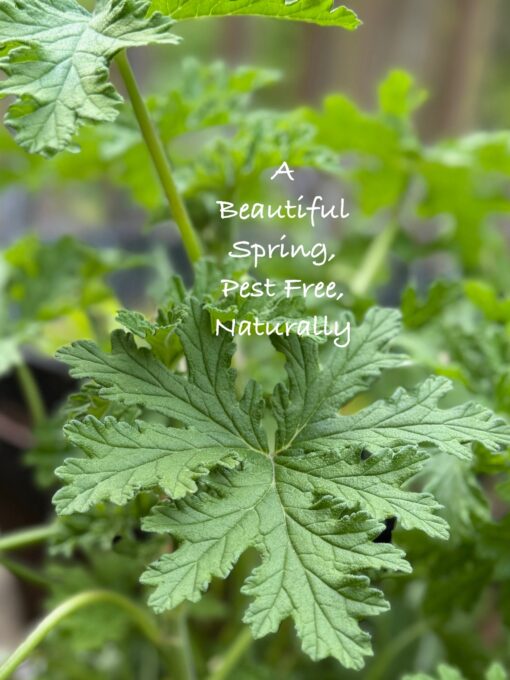
A Beautiful, Pest-Free Spring – Naturally

Hi Farmgirls! Wow! Spring has sprung in New England! We’ve had a wonderful, busy month. Outside, suddenly, everything has just “popped” – we’ve gone from grey to green, there’s lots to do and see, birds are back, and so are the insects – some that are so beautiful! Not all insects are bad; so many are beneficial. Don’t grab that spray can of nasty chemicals, help shoo away unwanted pests naturally!
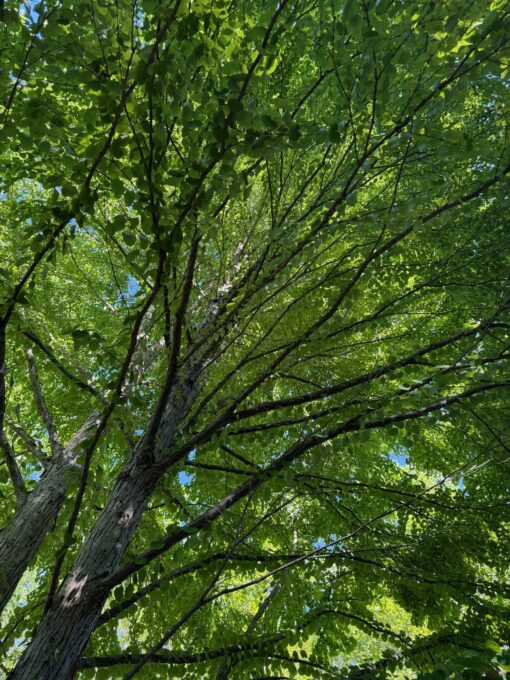
Our redbud tree is full of leaves!

It was a kind of a weird spring. It took forever to get warm, and when it finally did, we made up for the drought we were in with rain, rain and more rain. Last week, we got ten inches of rain, and over two this week. 

When the clouds finally cleared, and the rain stopped, it seemed like spring was here, abruptly. Trees have leaves, greenery is sprouting everywhere. Birds are singing and nesting, flowers are blooming, and insects are buzzing. Mother Nature is alive again!
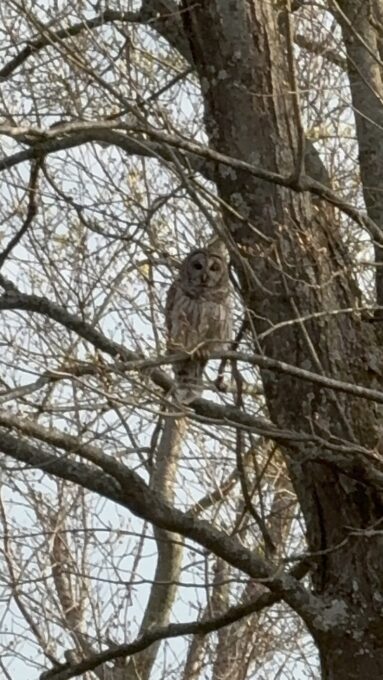
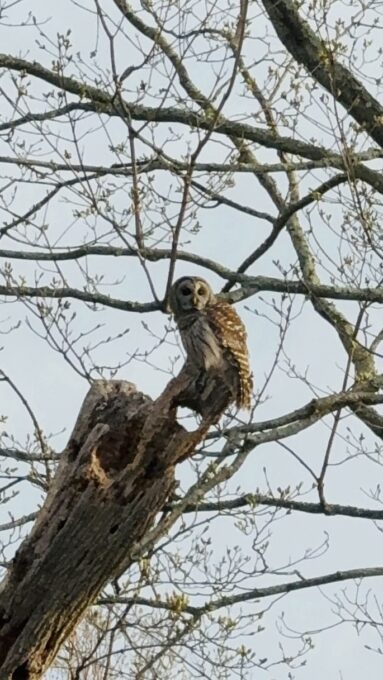
Every evening, we hear owls hooting all around, like this beauty who hung around one morning, right outside my bedroom window. What a magnificent, stunning creature! 
Nothing makes me more sad than seeing a post on Facebook about an owl or a beautiful fox (like the one we see often on our cameras at night), that died because of ingesting its prey that had been poisoned with rodent poison. 

Now don’t get me wrong, I love animals, but I HATE finding evidence of rodents in my living spaces! I am not against old-fashioned, fast snap mouse traps, (but I hate to use them).  Poison is cruel and can hurt your own pets, as well as other animals. In my vintage glamper and in the basement, I swear by Grandpa Gus’s Potent Mouse repellent! I spray it around the perimeter and potential entry points, and it really works! I’d rather not have mice come in anywhere at all, so repellent is a good choice. I use the spray several times a year, and now that it is spring, I use it to repel mice that might be looking to come in a basement or camper to nest. 
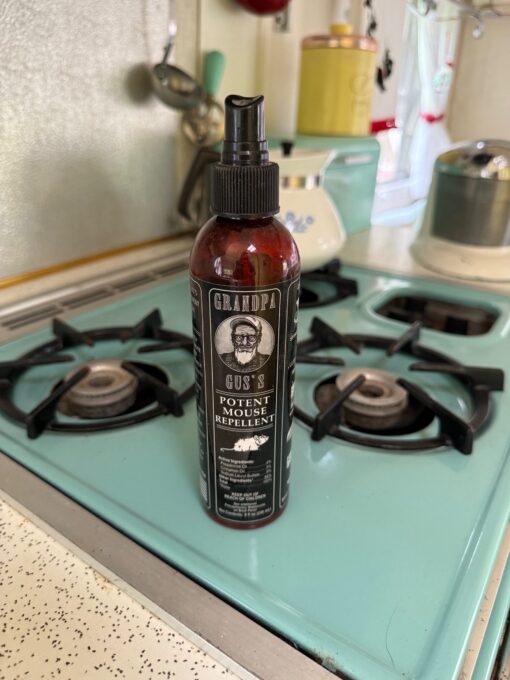
Made from mint and cinnamon oils, this actually smells nice! I got it at my local hardware store but it is also sold online and in many stores.

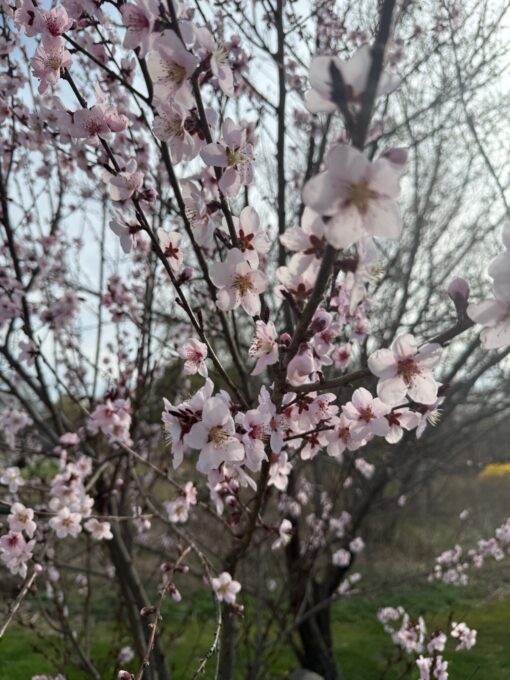
Because we had a warm up in early spring while the ground was still frozen, some gardeners here lost plantings. Sadly, I lost one of my two year old peach trees. The outside temperature was warm, but the ground was still frozen, so the roots could not get the water they needed. However, once everything finally thawed out, this has been one of the prettiest springs I can remember, with blooms galore! 
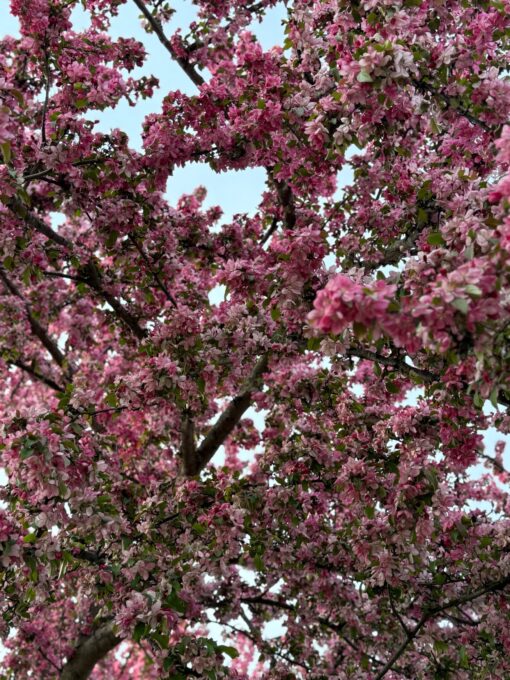
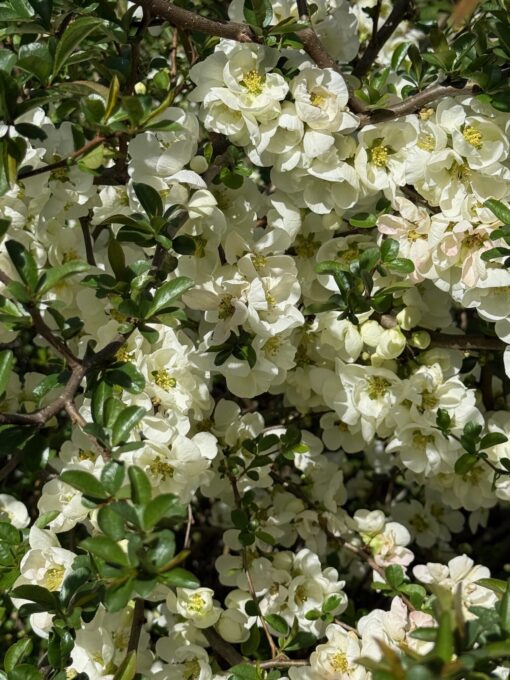
The blooms on my flowering quince are more full than I remember seeing! My daddy bought that for me decades ago as a housewarming. I wish he could have seen the blooms this year.

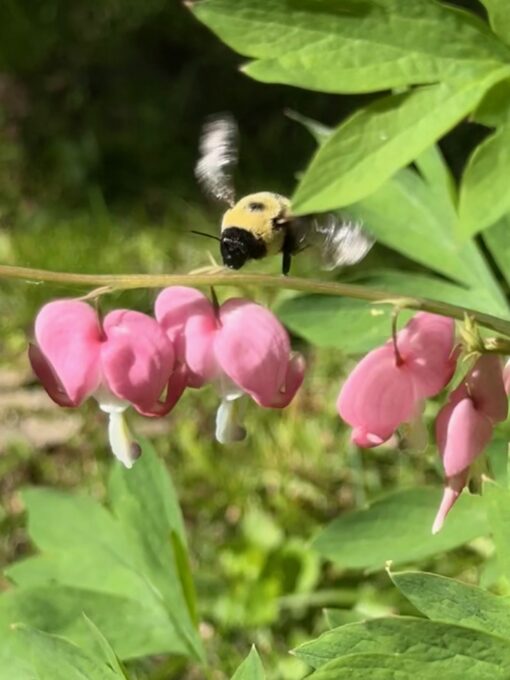
All of these beautiful blooms also attract insects. I have already noticed butterflies, and a lovely Nessus sphinx hummingbird moth in my lilacs this morning.
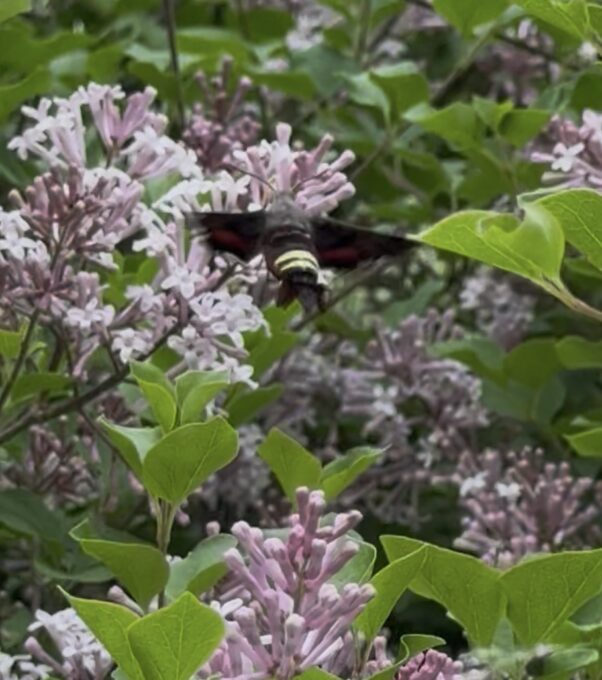
I thought it was a true hummingbird at first, the buzzing was so loud!

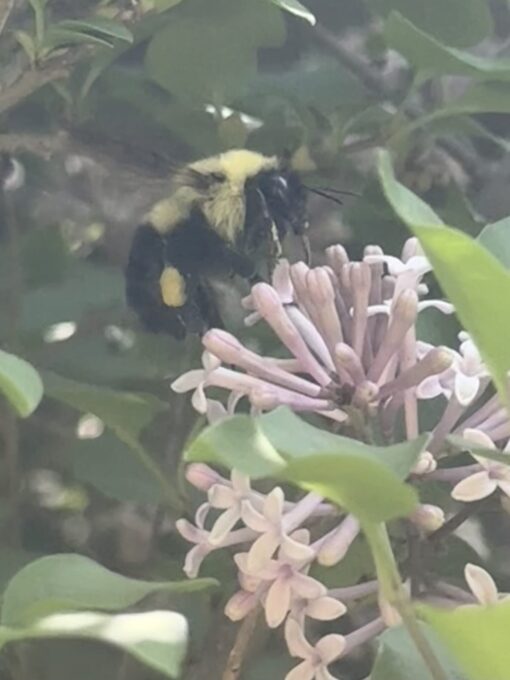
I love that my flowering bushes and trees are “buzzing” with the sound of bees, busy at work. Bees are one of our most important beneficial insects; if we lose them, we lose much of our food! 
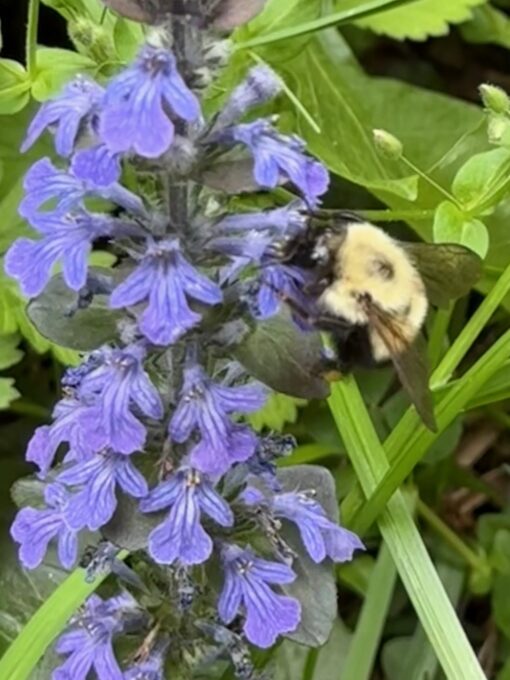
Look at those bees knees full of pollen!

It always amazes me how gardeners want to attract beneficial insects, but also want to spray everything with chemicals as soon as they notice any sort of pest. If you do need to spray for an infestation, use organic products like neem oil or insecticidal soap, and use them in the early morning or late evening, when beneficial insects are not as active. Most insects are just “passing through yards and garden spaces! 
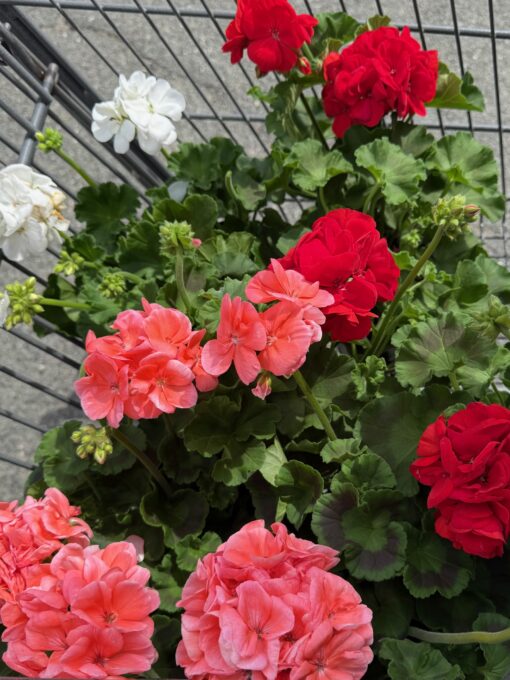
A cart full of beautiful!

I was so excited to find beautiful, full geraniums at a great price! Geraniums are my favorite – easy, simple and beautiful, and last here until fall when I switch them out for seasonal mums. They remind me of my mom and my childhood; Mama always had pots of geraniums around the house outside in summer. I’ve seen hummingbirds and butterflies attracted to my beautiful flowers.

In just a couple of weeks, it will be time to put the veggies into the vegetable garden (the soil temperature is still too cool just yet; right now I am hardening off my seeds that I started indoors). One of my favorite ways to garden organically is to do companion planting,  using plants as my ally in warding off bad insects that can harm my plants. Each year, I plant basil in between my plants, such as my tomatoes and peppers. Not only does it ward away pests such as whiteflies and aphids, but I can also clip fresh leaves all summer for yummy dishes. At the end of the season, I harvest the remaining basil and make pesto (which I put in canning jars and freeze for up to six months). 
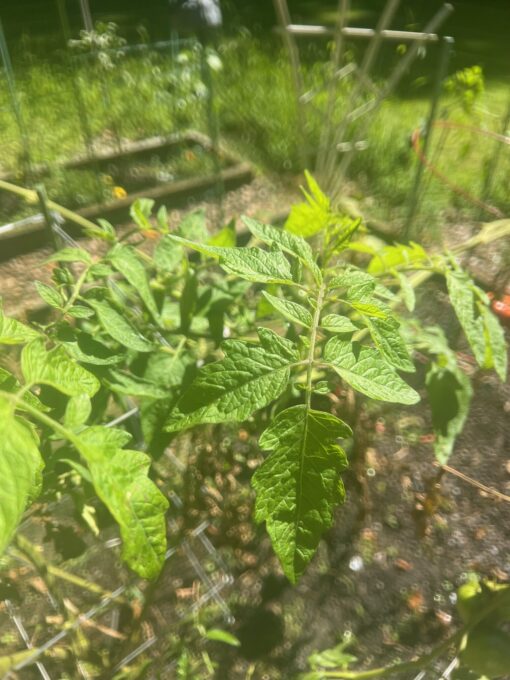
I first started planting garlic when I read about using the scapes in MaryJane’s  first book. I have been hooked ever since, and plant garlic each fall for a summer harvest.
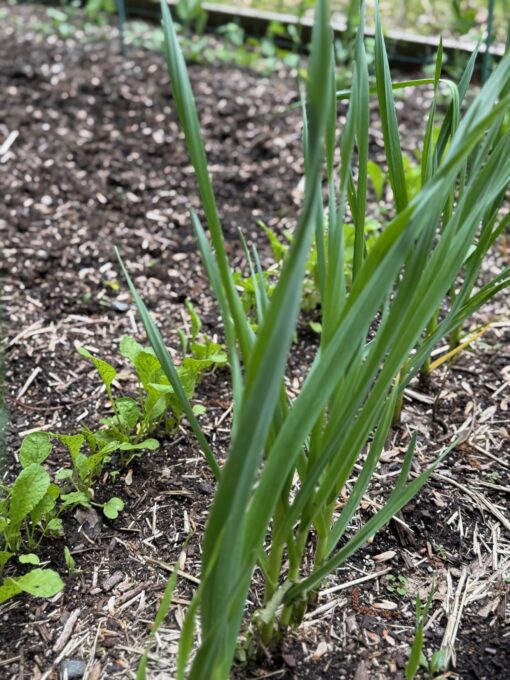
I plant my garlic around the border of my veggie bed – not only do I get delicious scapes to eat (the best part, in my opinion), and yummy fresh garlic to harvest, but garlic also helps protect nearby plants from pests and fungus! We have lots of different types of fungal issues in Connecticut, due to our wet springs and often wet autumn seasons.
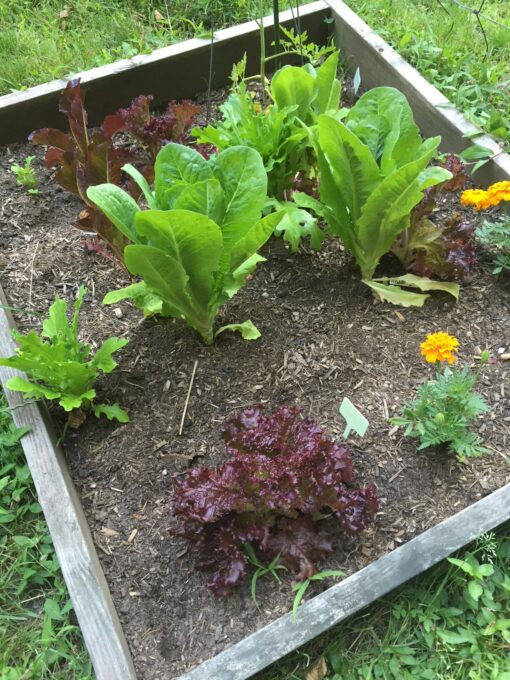
Also around my vegetable garden and other garden borders, I plant dwarf Marigolds. I love marigolds! Deer and other critters don’t eat them.
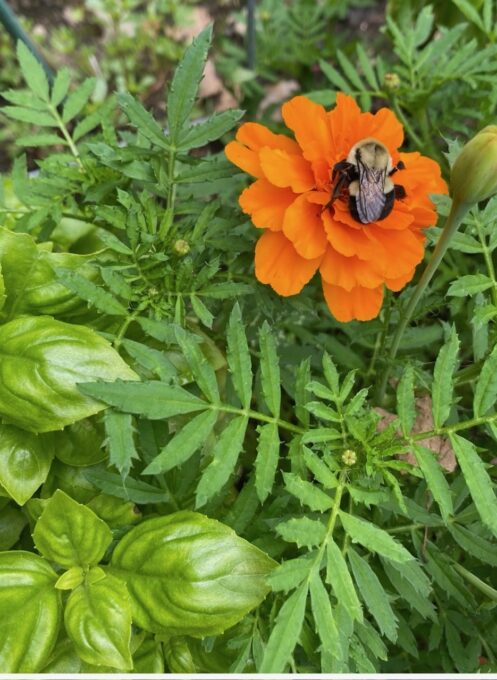
Marigolds also last through summer into the fall, adding fall color as well as working hard all summer to keep pests such as aphids, whiteflies, and nematodes away (just make sure to plant dwarf varieties so you don’t shade other plants). 

Indoors, most homes in New England get problems with spider mites, due to our dry homes with our dry, non-moving winter air from wood burning stoves and forced heat. Opening windows on a cool spring day often lets in flies or mosquitoes, and I have noticed a few times nasty fungus gnats from the soil in my houseplants. In early April, I ran into a local garden store to get a last minute need for a gardening class I was to teach one evening. While shopping, I noticed the store had venus fly traps! The plants were tiny, and so cute that I just could not help it. I purchased one, and brought it home.
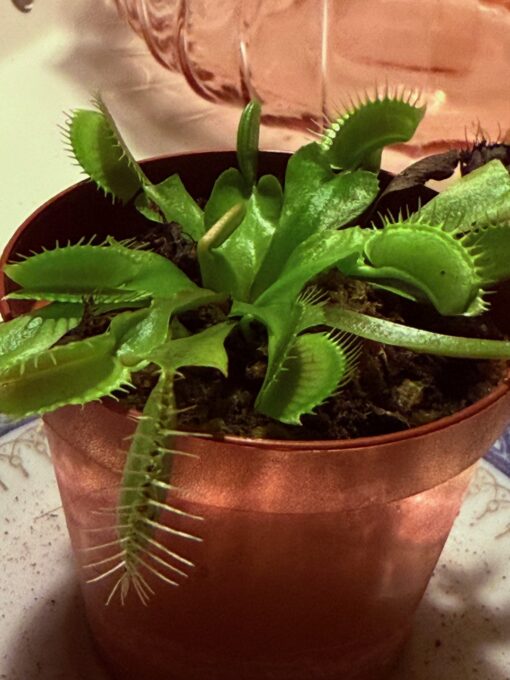
Venus fly traps are not your typical houseplant; they are a carnivorous plant native to the bogs in the Carolinas. They need lots of light, with four hours of bright light a day during the growing season. Never water your venus flytrap with tap water; only use rainwater, spring or distilled water, placing it in a dish (mine is so tiny, I have it in a teacup’s saucer). They do not like regular potting soil, and skip the fertilizer. I’ve had mine for over a month, and it has grown, with many new “mouths”…I even witnessed a mosquito get “munched”! 

Everyone needs that one friend who can have fun with you, even going just grocery shopping! My friend, Susan, is that friend. We have been friends since our children were toddlers, and can have fun together anywhere! On a recent Costco run, we both picked up beautiful, large lavender plants!
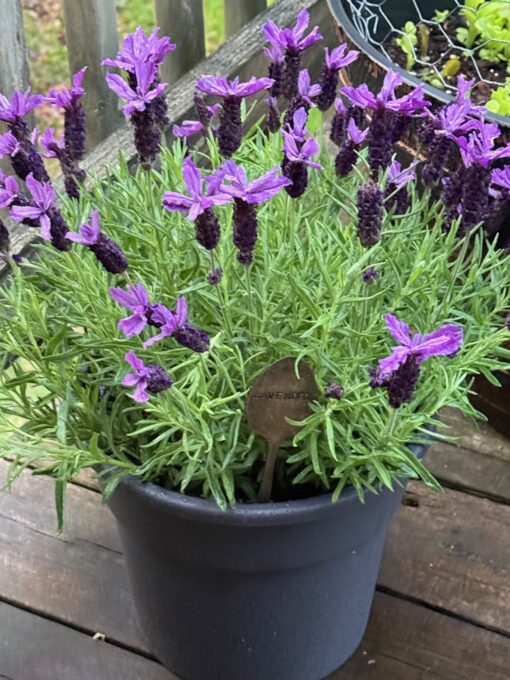
I love lavender – lavender soap, coffee, and of course, plants! Inside, dried lavender is a great alternative to nasty, toxic moth balls. I use it in drawstring muslin bags, like a sachet, and tuck it in with my sweaters on my closet shelves, and in my yarn stash to repel moths. Inside, dried and fresh lavender helps repel all sorts of nasty insects that can come indoors, including stink bugs that like to find their way into homes in the Northeast. In warmer seasons, I love fresh lavender on my porch – it smells amazing and helps repel bugs like mosquitoes. 
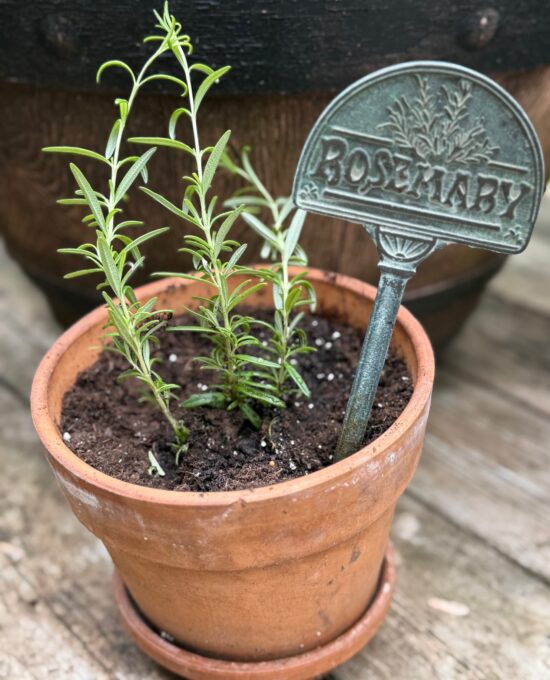
Rosemary is another good companion plant – it helps repel a variety of pests, including aphids on lettuce.  I always have lettuce in a giant pot on my deck, with rosemary next to it. Perhaps that’s why I have always had healthy, aphid-free lettuce in my pot! Rosemary is also one of my favorite herbs to cook and bake with!

Love porch sitting? Hate flies? I swear by this, an old trick I learned eons ago in Texas, from true Texas Bar-be-Que restaurants, where the smoky meat draws flies. Hang clear a plastic bag full of water. That’s it.
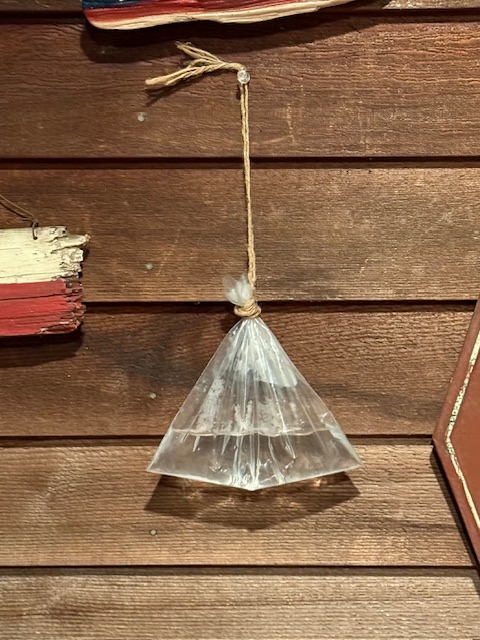
I keep one on my “shabby chic” porch, and one in my chicken coop and get no flies (and we have horse flies, house flies, and bottle flies in Connecticut). It has something to do with interfering with their vision, so flies steer clear of the area. 

I hope everyone had a wonderful Mother’s Day! Mine was lovely. I was spoiled – breakfast in bed with fresh bagels, and my daughter surprised me with a garden-themed “surprise book box” – a box that is packed with all kinds of surprises, like socks and organic coffee, centered around a signed book. Then, in the afternoon, we had a beautiful sunny day, and my family took me to my favorite restaurant for lunch, and afterward to a local garden center. There, I picked out the cutest bee-themed wind spinner, and a big, full citronella plant. 
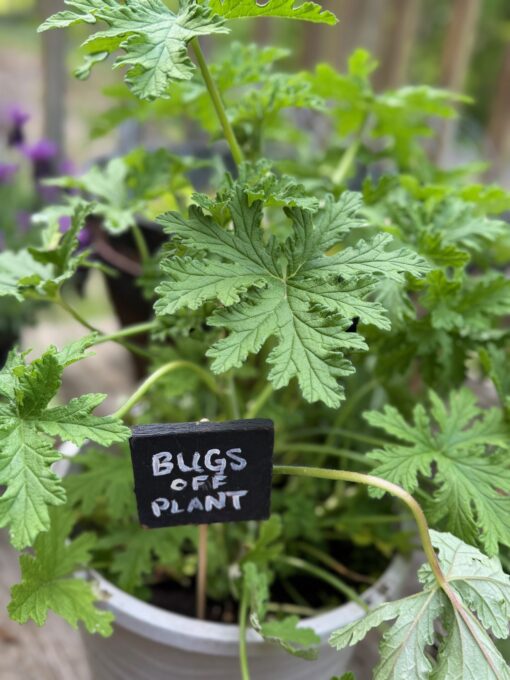
In the geranium family, citronella repels mosquitoes, and I don’t have to spray myself with some awful chemical to enjoy my time on my porch!  

Speaking of gifts, I finished Dori’s special gift and mailed it out to her! I love the quilt jacket she made me so very much, and wanted her to have something, special hand made by me, too. I went to one of my favorite yarn stores, and found a soft, colorful yarn to hand knit a lacy scarf. I wanted a yarn that would not be too heavy or too warm for her area. This lovely yarn is from Berrocco, called “Sesame”. It’s a blend of wool, acrylic, cotton and nylon. Dori says she loves it, and I can’t wait to see photos of her wearing it this fall!
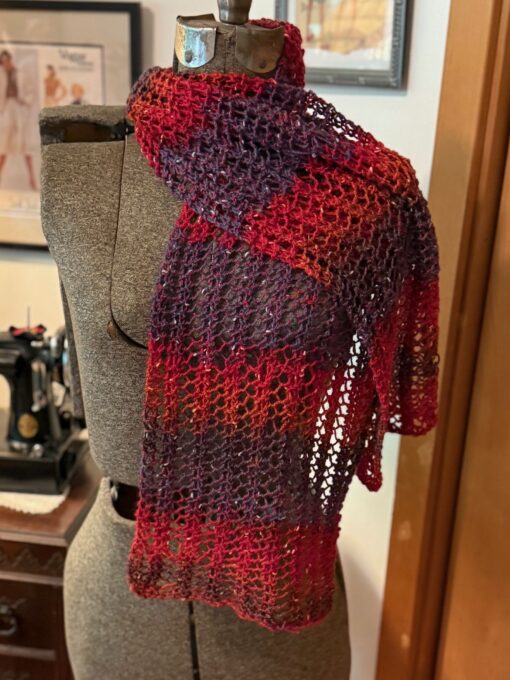
I really hope Dori loves the scarf I made her, and thinks of it as a “farmgirl hug” when she wears it!

Happy Spring, Everyone!

A Few Things to Watch Out for In Spring

Woo-Hoo! Spring is peeking her beautiful face around the corner! Birds and butterflies, flowers and leaves will all be prevalent soon in my area. However, let me introduce you to some creatures that will also be showing up soon, that can have some negative consequences (and how to avoid them).

Don’t get me wrong…I do love spring, especially after this icy, dark winter we have just experienced here in my neck of the woods. It was a really long winter for New England, with really cold temperatures showing up as early as late fall and lasting until, well, just last week.

Snow frozen into thick layers of hard ice were prevalent everywhere, including at our favorite walking trails of Fairfield Hills.

We had deep snow, which was followed by sub-zero temperatures, which made for solid, non-walkable ice everywhere, that lasted longer than we usually have. I even got stuck in my long, steep, curved driveway one day, something I haven’t done in twenty years! 

Finally, this past week, we thawed out, and today’s temperature will be in the high fifties!

Yay! Robins are busy again and starting to be seen, as well as other migratory birds, too! POOF! Just a few warm days and all the ice is gone!

While we always get a “cold snap” around St.Patrick’s Day, and can even have snow as late as late April, the worst of winter is over and we are all thinking of spring! I can’t wait to have my hands in the earth, and to see all the flowers blooming, hear the birds sing, and the insects buzz. (One of my favorite sounds is that of summer insects “trilling”). 

However, there are some insects that will show up, that you may already have in your area, if your temperatures are now warm. These are a few things that I do NOT want to run into. These are two insects and an arachnid that can have a devastating impact on human lives.

The first insect that you should beware of is the Spotted Lanternfly.  A large, invasive planthopper native to Asia, it can’t bite or sting a human due to its plant-sucking mouthparts, but its capability to devastate and kill trees, grapevines, and other major food crops is downright scary! (Think of a super-large aphid on steroids). First seen in the USA a few years ago in Pennsylvania, the Spotted Lanternfly is now found in eighteen states and is quickly making its way across others. 

The Spotted Lanternfly (Lycorma delicata) has several life stages. They first start out tiny, with four instar stages, the first three having black and white spots on their tiny, crawling bodies, changing to red with white and yellow as they grow larger. Finally adults are large, with fuzzy-looking black legs (that look to me like eyelashes coated with too much mascara), with grey wings that have black spots. This makes them hard to see, “camouflaged”, until they open their wings or fly to show their colorful, red, yellow and white underwings. 

Some red is shown here, but you really do not see the color until they open their adult wings fully.

We saw masses of adults on a trip to the Poconos to see friends in the fall of 2023, with so many on the sidewalks it was hard not to step on them. It is important when driving in areas that are infested that you inspect your car and wash it before heading to other areas, to help stop the spread. 

Our very first sighting ever of one in Connecticut was a few years prior, on a shopping trip near the Connecticut coast. The grey building and parking lot was covered in these awful, destructive insects. I snapped this photo to show how they can easily be missed when their wings aren’t spread. 

The preferred host-tree is the Tree of Heaven (Ailanthus altissima), considered an invasive plant here in Connecticut, but the Spotted Lanternfly will devastate and kill a variety of plants, including stone fruits and hardwood trees, hops, and many of our food crops. They lay eggs in masses with a hard, waxy shell, on hard surfaces such as trees, vehicles, and buildings. Scrape egg masses off with an old credit card, and inspect your trees and surroundings often. The USDA has a great, dedicated Spotted Lanternfly webpage, with photos of all stages of this insect, and tips on how to eradicate and avoid them. (One thing that kills them is hand sanitizer, by the way). If you see them, destroy them!

Another harbinger of spring are bees and wasps. While we need them, (and I love bees), there is a wasp that can be awful if a human or pet comes in contact with them. I know first-hand, as I had a run in with these aggressive creatures last year.

The Bald Faced Hornet (Dolichovespula maculata) isn’t really a hornet, but a member of the same species of wasp as the yellow jacket.  Named for their color and size, Bald Faced Hornets have creamy white faces and marks on their large black bodies. I do not have a photo of one, as they are way too aggressive for me to get near enough to photograph, but do an online search and you will see plenty of photos of these easily-recognized flying devils. 

This nest was on the door of my camper a few springs ago. It developed very quickly, as they are fast builders. I was lucky I did not get stung then when I opened the camper door.

These very large wasps can be found in most of the United States, with the largest concentration being in the Southeastern states. We did not have them in my area until a few years ago. 

These nasty spawns of Satan quickly make large, dome-shaped paper-type nests that can be found in trees, bushes, on rocks, or hanging off of buildings.

A nest hidden in a redbud tree.

We once had a nest in a redbud tree. It was pretty large and scary, and had to be professionally removed. I also know someone who once had a HUGE nest appear quickly, right on her upstairs window, dangling over her driveway! 

All wasps are beneficial, and the Bald Faced Hornet is no exception, pollinating plants and flowers, and eating other, bad insects. (These wasps actually think of yellowjackets as a tasty snack, and can eat and kill so many that their nests can look yellowish at the end of the season)! However, because the Bald Faced hornet is so aggressive, these are particularly scary and dangerous to humans, so you will want to beware if you see a nest, and get an exterminator out quickly if they build a nest close to your home or garden. Bald Faced hornets do not have to have their nest disturbed to attack, as they will aggressively go after anyone or anything that they perceive as a nearby invader. They will sting over and over, and are unique in that they also try to spray their venom into the eyes of a warm-blooded interloper, causing temporary blindness. Their stings are also considered one of the most painful stings you can get. 

Last summer, I fed my chickens and then proceeded up the steps of my deck to go inside. I was suddenly aware of a “thumping” sound, which were multiple wasps hitting my face HARD and stinging me.

I screamed, and ran six feet or so to the door, but not before I was followed inside by these evil flying demons, and was stung at least six times around my lips. They had tried going for my eyes, but I had on sunglasses that thankfully protected them. Luckily, my daughter was home late that morning, as her schedule at work started later than usual. I popped a Benadryl and she and I jumped in her car. It was rush hour, and traffic on the freeway was a dead stop – to get to the local hospital would take too long. Thankfully, we have a wonderful walk-in emergency clinic in town, ten minutes from my home, and they were open. By the time we arrived, my face had already swelled so much I looked like a sick platypus. The waiting room was filled, but they took me right away. To make a long story short, I did not realize in the moment just how bad off I was until the end of my ordeal, when one of the nurses hugged me, saying they had not wanted to scare my daughter, but that I had really scared them! I now carry an Epi-Pen, and to say I am afraid of wasps is an understatement. Taking Benadryl and seeking medical attention ASAP saved me. The worst part is that these mini-diablos did not have a nest in the bushes next to my stairs the day before, and the nest was so hidden it was difficult to remove. The venom also caused pain, redness and swelling for several days.

I will garden again, but I will be extra-vigilant when near bushes or other areas where wasps can build nests next to my home. Keep an eye out, and if there is a paper-looking, football-shaped nest near where humans or pets reside, have it professionally removed right away.

By now, the entire world is aware of Lyme disease, (first named for a town in Connecticut), and how tick-borne illnesses are prevalent with tick bites. However, not everyone is aware of how one tick in particular, the Lone Star tick, can really have devastating consequences to some who come in contact with it. The Lone Star Tick is a deer-type tick that is named for its singular white spot on its body. Unfortunately, this type of tick can cause what is known as “Alpha Gal Syndrome”, which can cause an allergic reaction to red meats such as beef, pork and lamb,  as well as an allergy to dairy, in the host.

The Alpha Gal Syndrome from the bite of the Lone Star Tick can cause allergies to beef, pork, and dairy. One theory is the thought that the tick that bites the human bit an animal previously.

Some people only have mild symptoms, but for others, it can be life-threatening and severe, even causing anaphylaxis! I have a family member that now has a severe, life-threatening allergy to dairy and beef, who can not even get dairy on their skin without a burning rash, all because of this tick! Gelatine in things such as gel-cap over the counter medicines, or in gummy-type candies can also cause problems. It’s frightening to know that something as small as a pinhead can change a person’s life in such a drastic way. Enjoy the outdoors, but make sure you do daily tick checks on yourself and your pets, and when you know you will be gardening or walking, do the things you can to help protect yourself against all kinds of ticks. While some tick-borne illnesses are treated with antibiotics, this allergy that develops is not. Luckily, it’s still somewhat a rare thing, but we personally now know of three people in our area with this allergic condition from a Lone Star tick bite.

Don’t get me wrong, I’m not trying to be the grim reaper of the outdoors! Spring, summer and fall outside are wonderful, especially here in New England, and I can’t wait to enjoy the outdoors again. We need the bees and other insects to pollinate our crops and flowers, and to keep balance in nature, so please do not spray everything in fear!

Enjoy the spring…just be aware. Bring on the butterflies! Bring on the flowers, leaves, and green! 

Speaking of green – Happy St. Patrick’s Day, dear readers, and remember to leave me a comment below so I know that you dropped by!

Charming New England Christmas Traditions

Having four seasons in New England is wonderful. Each season has it’s charm, but Christmastime is extra-special. I REALLY love Christmas. One thing I love about the holidays is having something to look forward to. Activities don’t have to cost a lot; many of the fun things around Connecticut are either low cost, free, or by donation. 

Almost every town or hamlet in Connecticut has a “town green”, and a tree lighting. Our town actually has two.

My daughter and I love going together. We see friends, there are families and people of all ages sharing cheer, and carols are sung. It almost feels like we are “extras” in a special episode of the old “Gilmore Girls” show (also based in Connecticut). 

There are so many wonderful, old churches all over the state. They are all so beautiful. The South Britain Congregational Church hosts a Victorian Tea, open to the public, each holiday. My friend, Linda, and I have been attending each year together for so long, we now know the ladies who work so hard to make it happen by name, and have even gotten to know some of the other attendees!

This year’s desserts were all so fantastic!

It is a wonderful, festive luncheon, with good food, good cheer, and a lovely area of handmade gifts for sale, as well. 

Another wonderful tradition, the Annual Gingerbread Village and Christmas Bazaar at St. George’s Episcopal Church, in Middlebury, Connecticut, is something my family and I won’t miss.

We’ve been attending since my daughter was a baby. This year marked the church’s 56th year for the annual tradition! Each time, I think I must have seen it all, and each year, they wow us again! This year was no exception. I am in awe at the detail (everything, except for the actual lighting, is made from edible material).

Look at the details! These bakers are artists!

My mind is blown by all their beautiful, hard work, as I am great at tedious tasks and details of all sorts, but have never been able to make a gingerbread house look so wonderful as these amazing bakers do.

Cranberries are such a big part of New England, and one of my favorite ingredients in so many foods this time of year. I also love homemade gifts. Homemade gifts are made with LOVE! I may not be able to make a good-looking gingerbread house, but I am a whiz in the kitchen. One of my favorite things to make and give, especially this time of year, is homemade jam. This year, I made “Christmas Jam”, and my family has declared it my best jam ever! After going over many recipes, I really found none I liked. They either had too many ingredients, too much sugar, or included butter (we have a family member with a dairy allergy, unfortunately). My version of “Christmas Jam” uses simple ingredients, similar to my other jam recipes, and only four cups of sugar. What’s also nice about canning jam is you can use the water bath method, and do not have to use a pressure canner. The naturally bright, red color of this jam makes it a stunning holiday gift. It’s delectable on fresh bread, or served as an appetizer atop a cracker and a nice cheese like a sharp cheddar or brie. Here is my gift to you, dear readers, my recipe for “Christmas Jam”. Enjoy!

The fruit will look chunky at this point. The cranberries will soften up as they cook.
Me and my sweetheart – we love decorating for Christmas and picking a fresh tree.This is our 33rd Christmas together.

There are so many wonderful, small, family farms in New England. One of our Christmas traditions in our family involves getting a fresh tree from Jones Family farm in Monroe.

We are the Griswolds, LOL!
What a beautiful tree we got this year!

Another tradition is enjoying a delicious ice cream sundae in the cozy, decorated room at Rich Farm, in Oxford, before they close up late in the month for a bit in winter. 

Another thing I love about New England is how everyone decorates. Stores, streets, and homes – inside and out, are all dressed up in twinkling lights and decorations.

My personal favorite decorations are all old, vintage, or vintage-inspired, and I love to incorporate decor that I already have, making it more “Christmas-y”.

Everything on this table has been gifted to me through the years. Warms my heart!
My “shabby chic” porch for Christmas
My daughter’s childhood skates are now part of Christmas decor.

We have had two “Christmas Snows” blanket us already, which just add to the festive feel of the season here in New England.

Trooper disagrees. “Who ordered this? I did not!”

Someone said to me recently, “No one sends Christmas cards anymore!” I beg to disagree. Yes, the price of stamps has gone up. But sending cards at Christmas should not be looked at as a chore!

This year’s cards so far – the holder is one I bought over 30 years ago.

I love to send cards, and work on mine gradually, while drinking my morning coffee or watching television at night with my family. We’ve already received quite a few, in the mail, and at my doll club meeting, and it is a tradition I love! I cherish handwritten cards I have kept through the years, from special friends and family that are no longer with us. 

This is me at four. My face shows how I felt about Christmas. 

Honestly, it is how I feel about it now, and think I am actually part elf. In all seriousness, though, I think we adults sometimes forget that childlike wonder. Letting ourselves enjoy the magic of the season is what brings the true joy and meaning of the holidays. It’s been a rough year for so many. Personally, this has been an awful year, with the passing of more friends and loved ones than any other before.  My Christmas card list has sadly gotten smaller, and I truly miss those who have departed. I  hold them close in my heart as I embrace the joy of this wonderful season. 

Tail wags and Farmgirl Hugs!

What A Difference A Month Makes!

Happy Summer! The season is officially here, and I am so happy! What a difference a month makes, especially in an area where there are four distinct seasons. It’s been a busy couple of weeks!

Remember the beautiful trails, the Audubon’s Bent-of-the-River, from last month’s blog? Well, a month later, look at it now! We have been hiking several more times over the last month, and it looks different and even more beautiful, each time! 

This is an overlook from the birdwatching tower, that we did not go in before. Look how alive the area looks now – so green and blooming! I took this photo on a late afternoon, no filter.
Hello, sweet bird!
So peaceful and green, the riverbank looks so different from a month ago. I wish you could hear all the birds singing!
Last weekend, my daughter and I were so excited to notice several ebony jewelwing damselflies! They are so pretty, that they look like something out of a fairy tale!

At home, I have also noticed more birds have returned, as well, including my beloved hummingbirds. We were worried when they showed up, but inexplicably disappeared suddenly (several of my friends noticed this, too). Fortunately, they seem to be back! This little guy had “breakfast” with us one morning. 

Just an FYI, the bottle is red, not the contents, and the food is changed frequently.
This little guy comes daily, and perches on my trellis. Sometimes I think he is watching us!
Hello, Love!
Everything’s coming up rosie! My flower beds are alive with color.

The season started out really rainy! We had so much rain at the beginning of the month, that water began to puddle in the front of the yard. Frogs moved in, thinking we had a new pond! In addition to green frogs, we also have peepers, toads, and tree frogs. The sound they make is like a little symphony! 

I’m looking forward to seeing fireflies dancing in the woods and yard. We should see them in a few weeks. Did you know the reason for their decline is because of the chemicals many people put on their lawns? This is a photo from late last June.

Fireflies use the soil, duff, and leaf litter to overwinter and lay their eggs, and their larvae eat snails, slugs and caterpillars. Putting chemicals on the lawn and using insecticides results in a decline in these sweet little insects. Too much outdoor lighting can also affect their numbers, so turn your porch lights off during firefly season!

I recently also got my vegetable garden planted. I was worried at first, since the weather has been warm during the day, cool at night. Putting vegetables into cold soil is a problem, since cold soil can bring on issues like blossom end rot in tomatoes later in the season. Remember to water early in the day, avoiding overhead watering, to keep down plant diseases that occur when water is left on leaves overnight.

Grow, little seedling, grow!
PEAS, PLEASE! Aren’t those little markers the cutest? They were made by a local artisan.

This looks to be a great season! Every day I am harvesting peas, which were planted in March as soon as the ground was thawed. I’ve got several types of tomatoes, eggplant, peppers, snowpeas, arugula, carrots, squash, cucumbers, swiss chard, radishes, and watermelon planted. 

Garlic will be harvested in a few weeks, though I really do plant it more for the scapes than the actual garlic. MaryJane first introduced me to garlic scapes in her first book, so many years ago, and I have been hooked ever since! On the other side of the property, corn is coming up, and we’ve got blue potatoes to look forward to harvesting. Everything is planted from seed. Planting a garden from seed is not only economical, but you also know exactly how your food was planted (I do everything organically). I also feel such a great sense of pride when harvesting food for my family that I planted, beginning with seed. I think this is going to be a great season, much better than last year, when we had all the smoke coverage from the horrible Canadian wildfires!

We recently attended an outdoor college graduation party in picturesque Bethlehem, for a dear friend’s daughter, who is also one of my daughter’s friends.

Our girls met when they were little, as Daisy Girl Scouts, so long ago. The party was held on a working  farm. In addition to running a CSA, a farm store, and Pick-Your-Own, March Farm also rents out beautiful landscape areas for events.

It was a picture-perfect day, and the party was held under the shade of large, beautiful trees, including a weeping willow, and next to a large pond where guests could take paddle boats out into the water. A pizza truck provided a scrumptious lunch for everyone, and my friend, who threw the amazing party for her daughter,  baked dozens upon dozens of homemade cupcakes, (that looked like works of art and tasted like cups from Heaven) for dessert. My friend Erin always amazes me at all she does, and is the best baker I have ever met (her daughter is just as wonderful). I think when we are able to witness friends or family grow from a child to an adult, and see what great things they do, it is such a blessing! 

My daughter’s boss recently gave us a handful of rhubarb from her garden. I have to admit, despite being an Advanced Master Gardener, my interaction with rhubarb has been very little, but I have always loved anything made with it because I love its tartness, especially when paired with sweet. While the leaves are toxic, the rhubarb stalks can be green or red, depending on the maturity of the plant. I had strawberries on hand, but not enough of either to make a pie, and any recipes I found sounded too sticky or sweet, or full of dairy such as buttermilk, including quick breads (my daughter is allergic to cow’s milk).

Y’all know I love a good quick bread, so I made this, working off of my recipe last year that I created for my cherry bread. The result was delicious (and quickly disappeared)! My version is moist, not too sweet, and perfect for breakfast with a cup of coffee.

Suburban Farmgirl Strawberry-Rhubarb Quick Bread

2 cups flour

2 tsp baking powder

½ tsp Himilayan pink salt

¾ cup organic sugar

¼ tsp cinnamon

Sift dry ingredients together and set aside.

Cut 4 stalks of rhubarb into pea-sized pieces, equal to one cup, and combine with one cup of fresh strawberries, cut into pea-sized pieces, tossed with 2 additional TBSP of flour. Set aside.

Whisk together 1 large egg, 1 tsp vanilla, ½ cup of oat milk, and ¼ cup of organic  coconut oil, or other oil of your choice. Fold into the dry ingredients, and mix together until all is moistened. Lastly, fold in the rhubarb and strawberries. 

Fold into a greased loaf pan. (I prefer glass, like Pyrex).

Bake at 350 degrees for 45 minutes to one hour, or until a toothpick comes out clean. Cool quick bread completely before removing from the loaf pan and slicing. ENJOY!

I also know it’s officially summer when we can sneak off to the beach! It was a balmy, breezy day recently – just perfect!

Such a treat after all the cool, wet weather! The humidity was low, the sun was high, and the water was cool, but not too cold to dip into. I adored being at my “happy place”! I love the ocean sounds, and walking up and down the shoreline. Walking in the sand is great exercise!

At home, on the porch, my potted herbs and flowers greet us every morning. I love geraniums, because of their classic, “it’s summer” look (they remind me of my childhood) and ease of care, but I am also IN LOVE with the beautiful pot of Osteospermum flowers that my daughter bought for me. 

Also known as African daisies, these stunning flowers have only been available here in the states since the nineties. I love this specimen’s gorgeous, purple and orange buds! 

In the front herb garden, herbs such as thyme, sage, mint and oregano are doing very well this year. I have an abundance of herb plants, so each morning I am picking a bit and flash-drying them in my dehydrator, to use in winter when fresh herbs are done. Picking herbs early in the day ensures the best flavor, and dehydrating them is economical (have you seen the prices on spices and herbs these days? Yikes!) but also keeps fresh, great taste. Some cooks prefer to freeze fresh herbs but I find dehydration tastes just as good and preserves the wonderful aroma and color. Once dehydrated, which only takes a few hours, I crush the leaves and store in an airtight container or jar. I can also put my dehydrated herbs in pretty jars to give to friends at the holidays.

My “girls” are laying more eggs with the longer, sunnier days, as well. 

My favorite pet hen, “Baby” loves to snack on clover blossoms.

Inside, I also always look forward to a few summer crafts, as well as summer knitting and sewing projects. This summer, I am going to finish as many “WIP”s” (works-in-progress) as I can. I have several knitting projects I want to finish, and I’m sewing up a cute, quilted patchwork table runner in summer colors for my coffee table. Sewing clips are a game changer!

My friend, Linda, gave me a tin of these wonderful clips! My sewing is so much more enjoyable without struggling with pinning! They hold fabric together better than pins, and are so fast and easy to use.

Linda says these clips from wawak.com are the best ones, and are at a great price, to boot. I wish I had known about them a long time ago!

I’m ready to embrace the summer season, how about you?

Trooper says, “I’m ready, Mama!”

Tell me, what’s going on with you? What projects are you working on, and what’s growing in your garden? I love hearing from my fellow farmgirl friends and readers!  Leave me a comment and let me know you stopped by!