Tag Archives: Suburban Farmgirl

The Last of the Tomatoes

I’ve always loved summer, and feel a bit sorry to see it go, no matter how awesome Autumn is in New England. Trips to the beach, summer concerts, fun day trips, and gardening are some of the activities I’ll miss once the fall season arrives. The summer is winding down, and so are the season’s tomato plants! Not a tomato goes to waste in my house, as I make some great recipes, as well as preserve my bounty! Tie on your favorite apron and let’s get picking!

Have you ever noticed that tomatoes in the grocery store never taste as juicy and delicious as fresh ones picked right from your garden or a farmers’ market? That’s because even if the tomatoes in the grocery store are organic, they are “forced ripened” with ethylene gas, as opposed to ripening on their own. Nothing is better than a fresh tomato right from a plant, warm from the sun!
It’s not always that easy to grow tomatoes in Connecticut. Our summers here lately have tended to be very wet, hot and humid. Just this past month, my area had a Sunday where 14 inches of rain fell! Called a “1000 year storm”, that kind of rain, of course, isn’t typical, but our planting zone does get plagued every year with a variety of fungal diseases, many of which thrive in damp weather. Tomatoes tend to be the garden plant susceptible to the most diseases (some of which overwinter), which is why you never want to put tomatoes or spent tomato plants in your compost pile, to keep from infecting next year’s crop. 
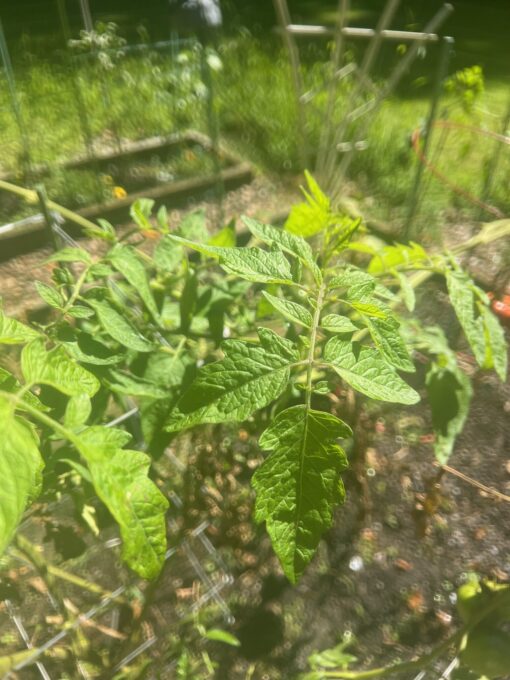
Still, despite the rain, I had a bumper crop this year, and there’s a few more to harvest. When summer tomato plants start to fade, you can extend their growing time by lopping the tops off the plants in September to increase the energy into the fruit. 
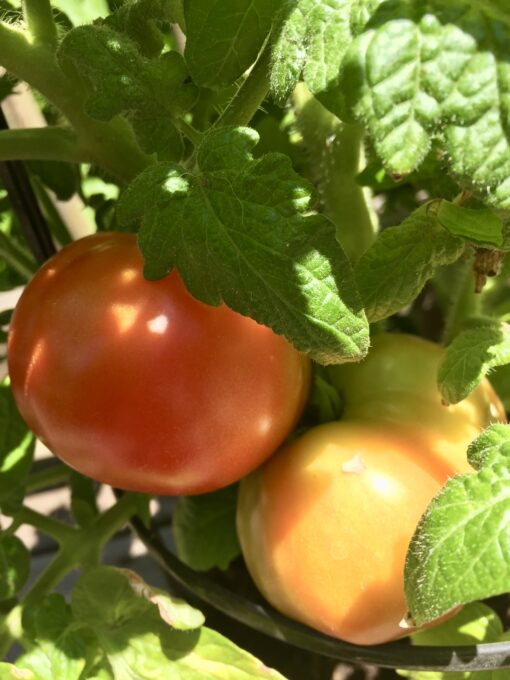
It’s also best to pick tomatoes this time of year before they have ripened completely. This helps prevent the tomatoes from splitting on the vine from late sun followed by cool rain this time of year.  They will ripen and turn red from the inside out in the kitchen. 
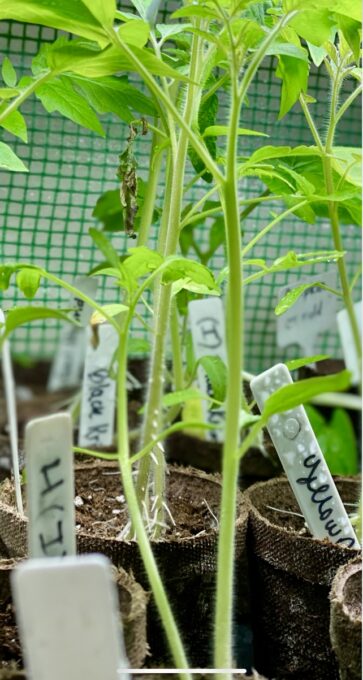
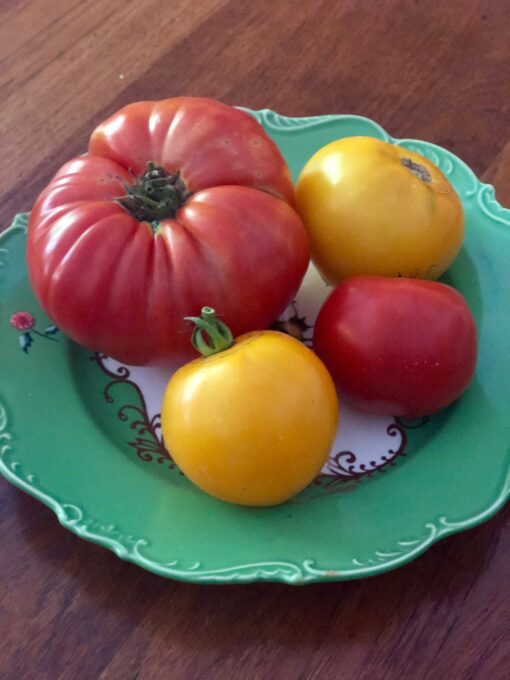
Because of my planting zone, I planted my tomatoes indoors from seed this past winter, planting different varieties, including heirloom types. My favorites this year were Burbank Slicing and Cherokee Purple.
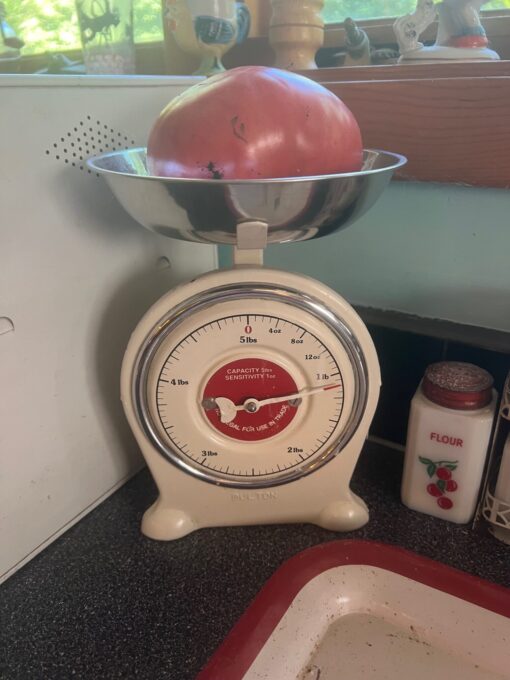
I planted roma tomatoes, as well. Roma are the best for canning, as they have less juice, but any variety can be used for canning. 
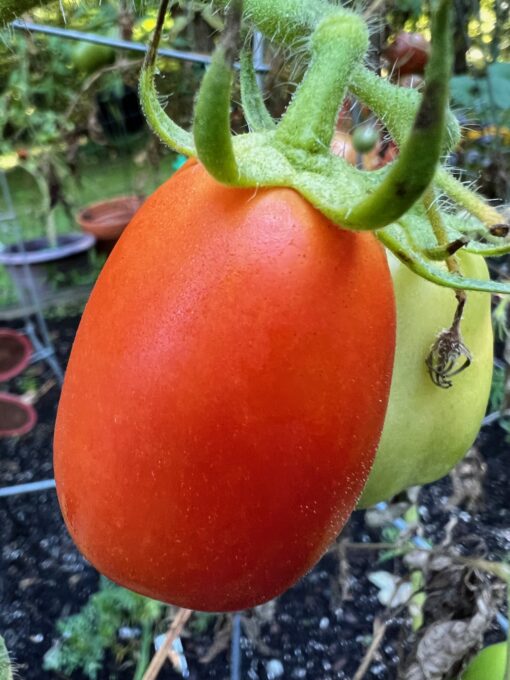
Despite the wet and humid summer we’ve had, I have had a bumper crop! We’ve been eating fresh tomatoes in salads and on sandwiches for weeks now! They are so scrumptious! I also have been preserving my lot of tomatoes, canning several batches so far. 
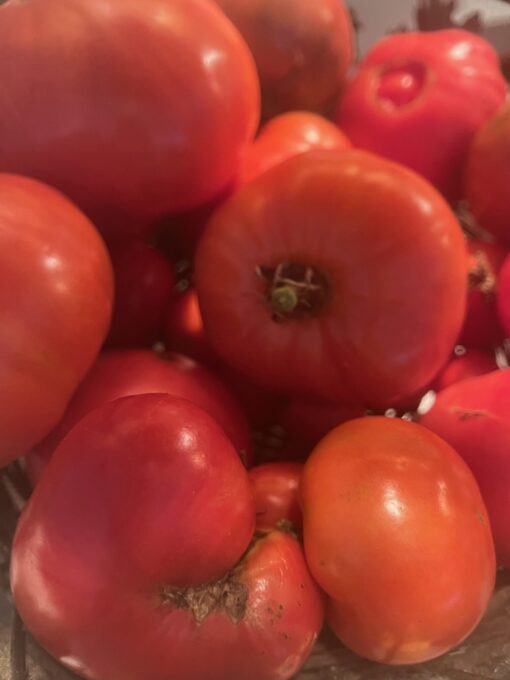
In the past, home-canned tomatoes may have been processed using the water-bath method, but modern wisdom (and the USDA) have found that it isn’t the safest thing to do, as tomatoes are a low-acid food, and should be only canned in a pressure canner.
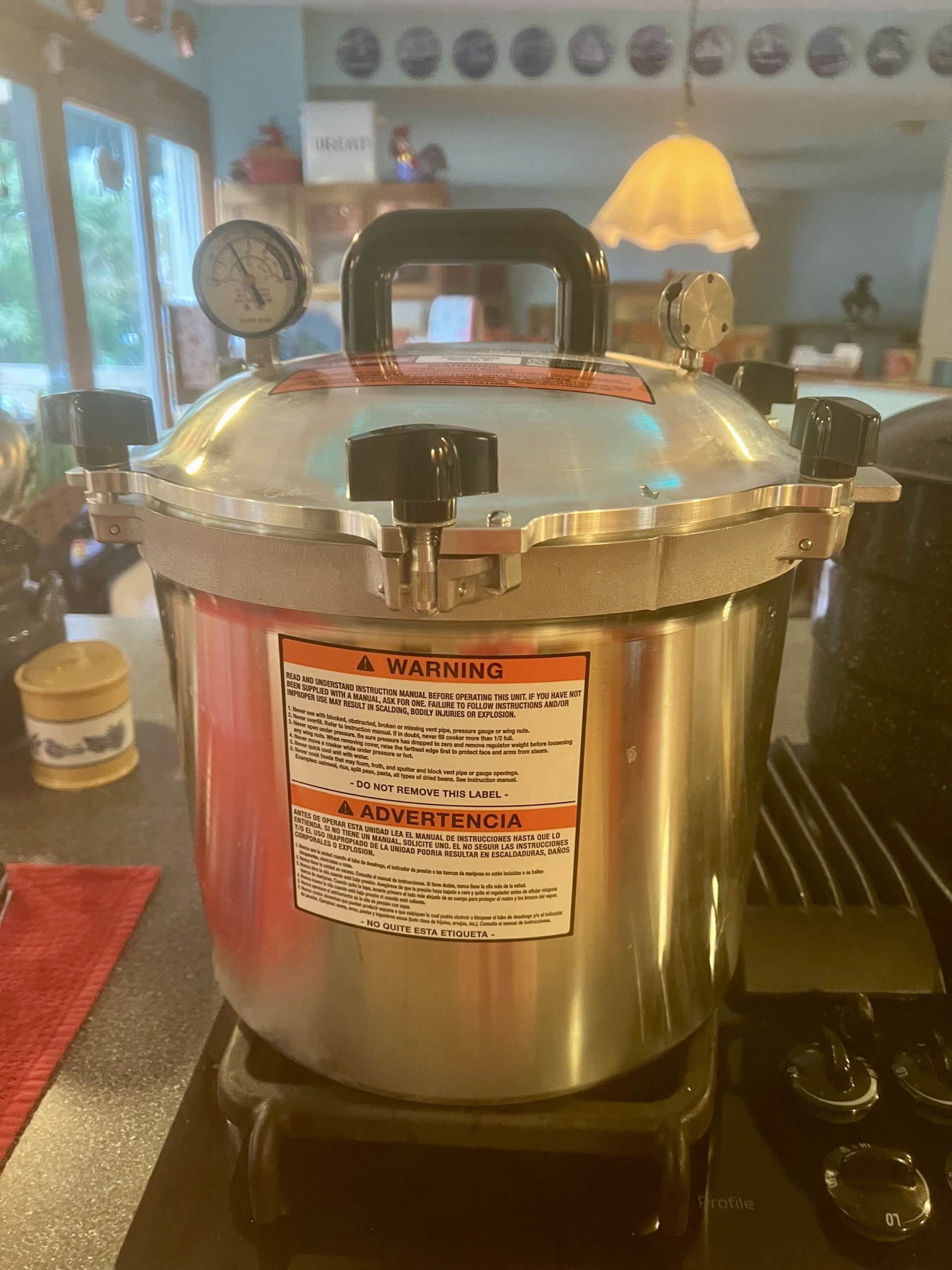
Green tomatoes are higher in acid than red; as the tomato ripens, the fruit is not as acidic. Using a pressure canner is a must – it’s quicker and safer. I love my American Standard Canner. Despite looking (and weighing) like a small space capsule, it is acutally so simple and easy to use, and meant to last a lifetime.
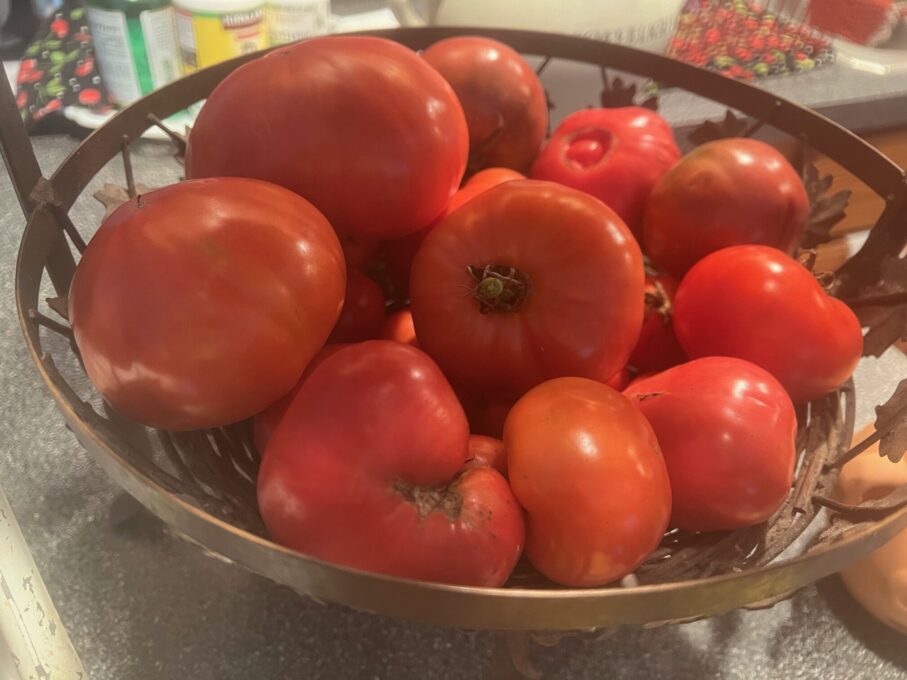
To can tomatoes, wash your fruit (don’t use anything that is overly ripe or from a diseased or frost-killed plant), cut the tops, core the tomato, and score the bottoms. 
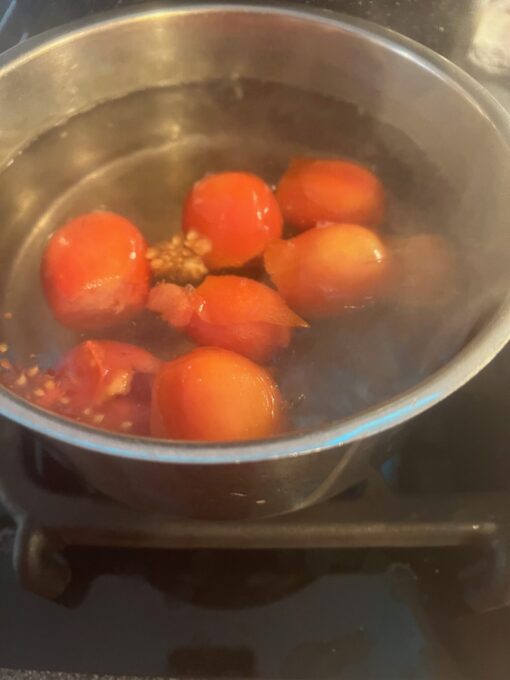
Next, drop the tomatoes in boiling water on your stove for about a minute to blanch.
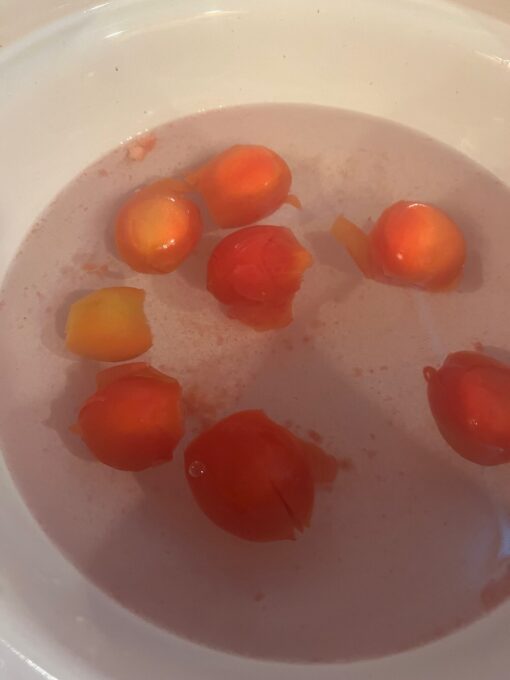
Place the boiled tomatoes in a bath of ice water for about 30 seconds, and voila! The skins just come right off. So easy!
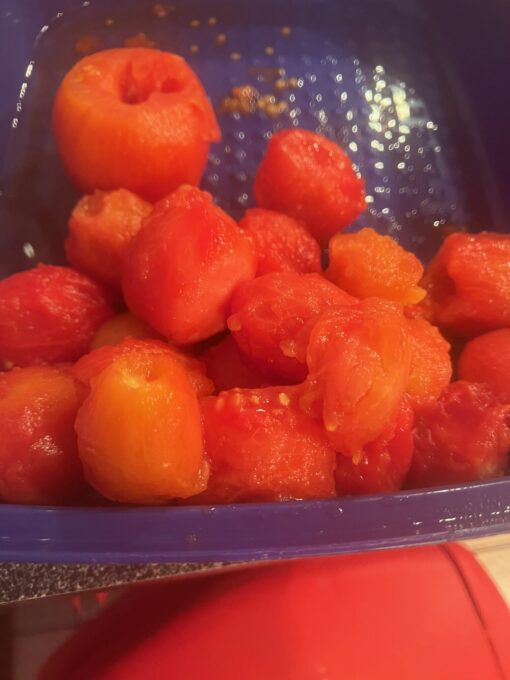
I cut my tomatoes in chunks, then I bring them all to a rolling boil, stirring often, for five minutes, before ladling into hot, prepared canning jars.
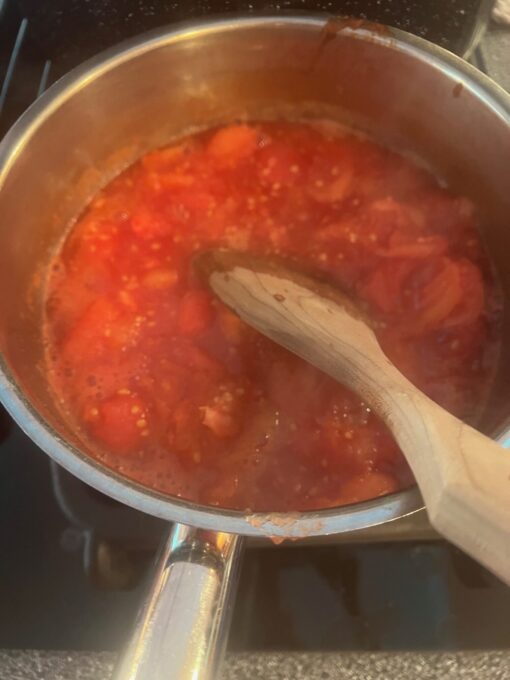
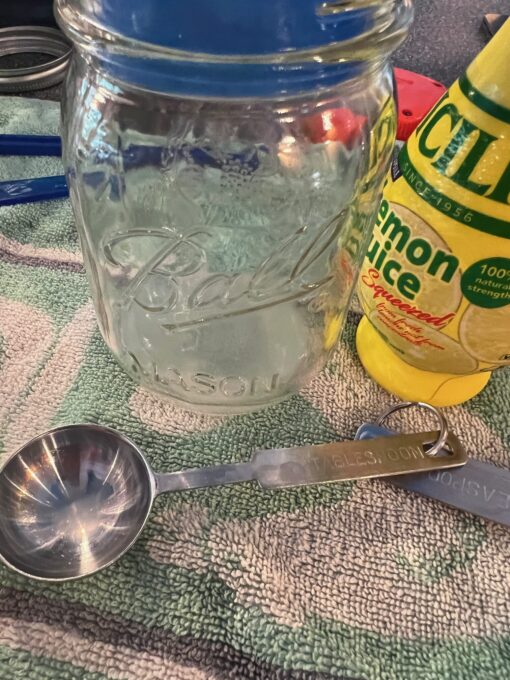
Add 2 TBSP of bottled lemon juice in each jar before adding the tomatoes (use bottled, as then the acid will be the right strength; fresh lemons vary in acid content depending on age, size and variety). You can also use a ½ tsp of citric acid in place of the bottled lemon juice. I also add 2 tsp of salt to each jar. Keep in mind this is for flavor, not for acid content.  
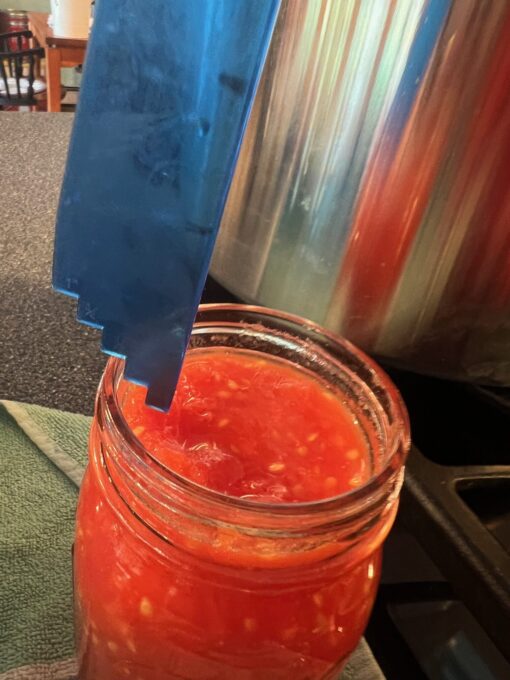
Remember to leave one inch of headspace before wiping each jar top with vinegar, placing the lid, and processing in your canner. 
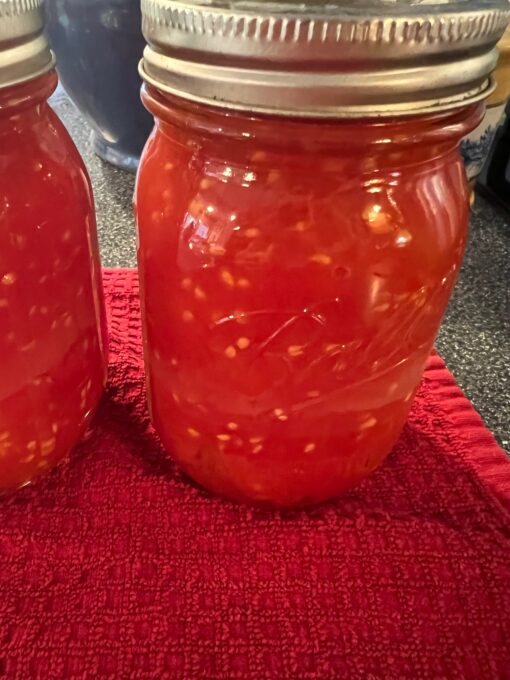
Home-canned tomatoes have a flavor and color not found in store bought, and there is no BPA!

For the rest of the tomatoes we’ve had this season, in addition to eating them on salads and sandwiches, I have been making homemade pico de gallo. Commercially-made salsas from the store always taste like watery ketchup to me! Once you see how easy and quick it is to make, you’ll never want to buy conventional store-bought again!

Best-ever Suburban Farmgirl Pico De Gallo

For every two cups of chopped tomatoes, add one half, large, finely-chopped red onion, 1 small bunch of cilantro, snipped (about ¼ cup), 2 TBSP of lime juice, ¼ tsp of garlic powder, and salt and pepper to taste. 
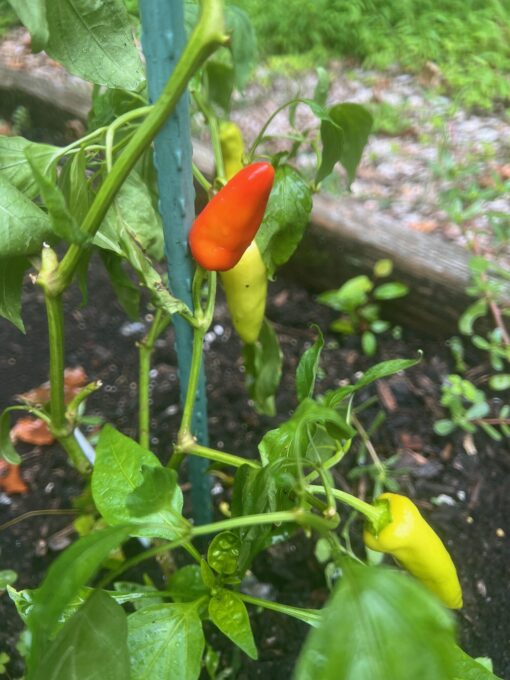
This summer, I have a lot of hot peppers still growing, so I like to add one small, chopped hot pepper for a bit of kick, but you can omit this completely if you don’t like any heat. 

For Labor Day, our family attended our town’s Labor Day parade, then enjoyed roasted Danish hot dogs in bread dough over the fire pit, with chips and homemade Pico De Gallo.
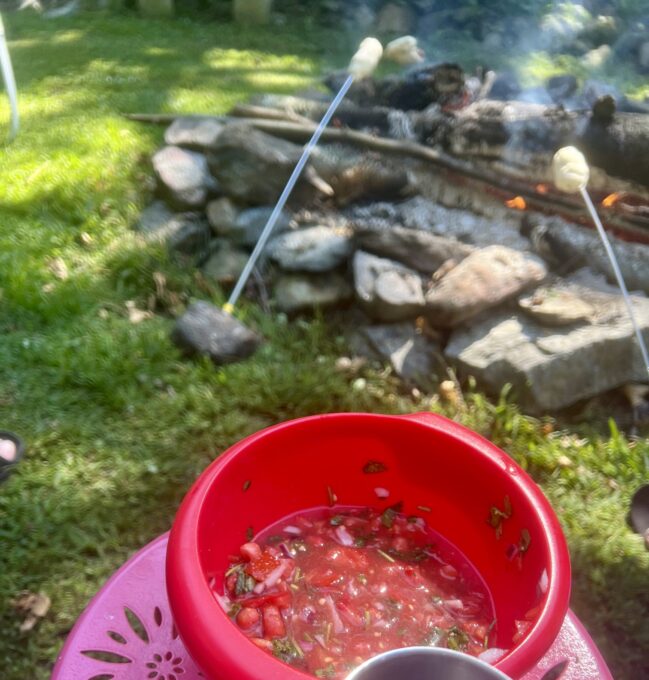
Homemade pico de gallo only takes minutes to make, and is addictive! It will keep in the refrigerator in an airtight container for a day or so (if you can stop eating it)!
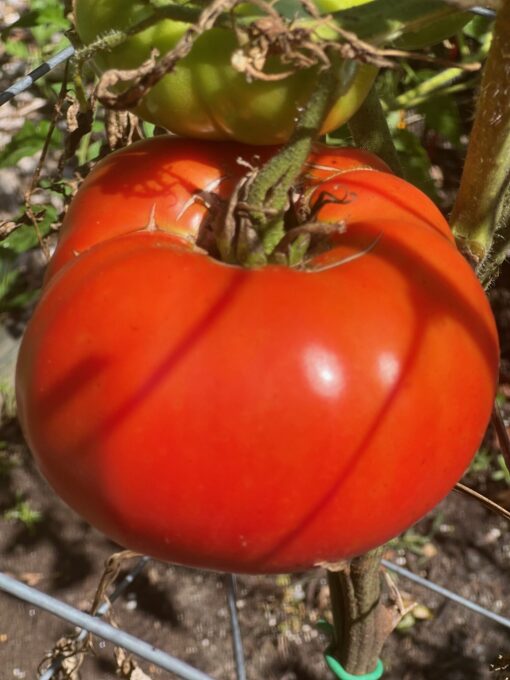
Soon, when the last of the tomato plants are finally done, I will put the garden “to bed”, waiting for mid-winter, when I can start my seeds indoors again! 

Let’s talk tomatoes! What are your favorite varieties? What recipes do you like to use fresh tomatoes in? Share with me in comments below, or just say “hello”!

Screenshot

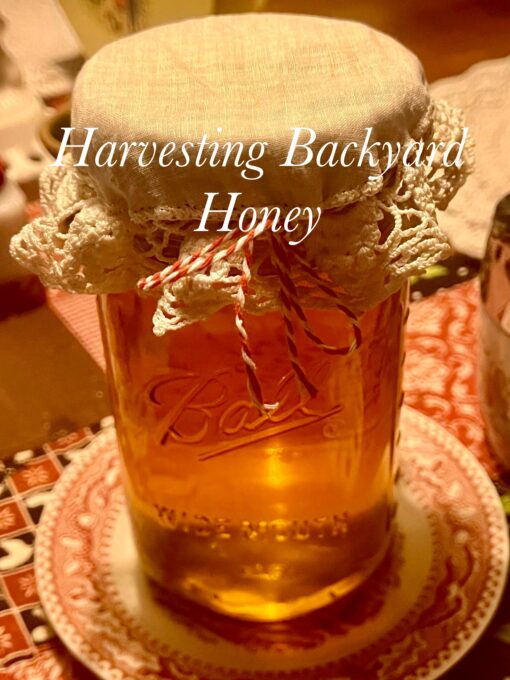
Harvesting Backyard Honey

If you’ve read my blog for a long time, you KNOW I have on my “bucket list” to someday be a backyard beekeeper. I recently got to find out first-hand what it takes to keep bees, and what an amazing time it was!

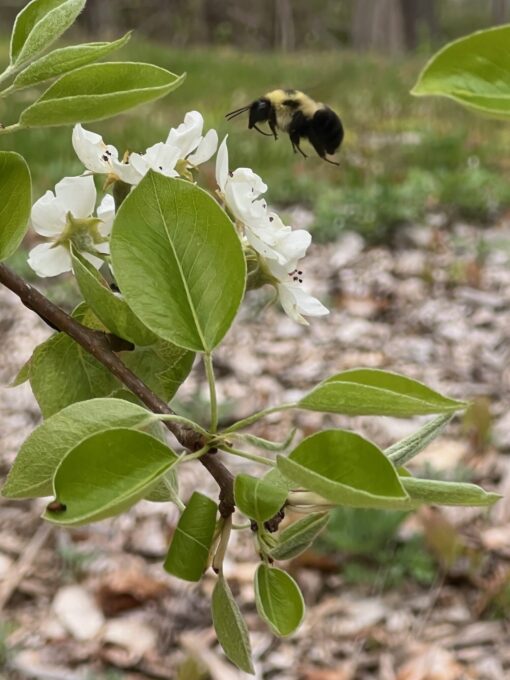
A wee bumblebee flies to a spring flower in my garden.

I’ve always been fascinated by bees (bees, not wasps. Even though wasps are beneficial insects, I have had too many run-ins with them, and have a hearty fear of getting too close to the little spawns of Satan). Bees, on the other hand, are so much more docile, and won’t bother you if you don’t mean them harm. They are Mother Nature’s little angels. Without bees, we would not have food, or most plants, for that matter. 

Just the fact that bees can fly is a miracle in itself. Their wings, in proportion to their bodies, would make it improbable that they could have flight, yet they are amazing and fast flyers. The honey they make is also a miracle. Honey is not only delicious, but has antioxidants, antibacterial properties, and can even heal wounds. It’s better for blood sugar than eating refined sugar, and I’m convinced that because I eat a bit of local honey everyday, I no longer suffer from seasonal allergies.

As a tried-and-true farmgirl, I keep chickens, have a veggie garden, and love to can and preserve. Beekeeping seems like a natural step in being more self-sufficient. 

A family that lives down the street knows that I love honey, and hope to someday be a beekeeper myself, so they recently invited us to join their family in harvesting spring honey, so we could get a taste of what it takes to keep hives. My daughter and I were so excited! 

The first thing we did when we arrived was to make sure that we were protected. Though it was a hot July day, we wore long pants and long sleeves.

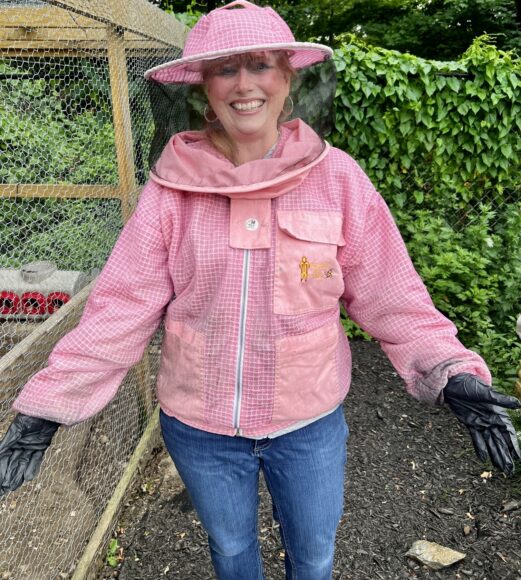
I’m ready for adventure!

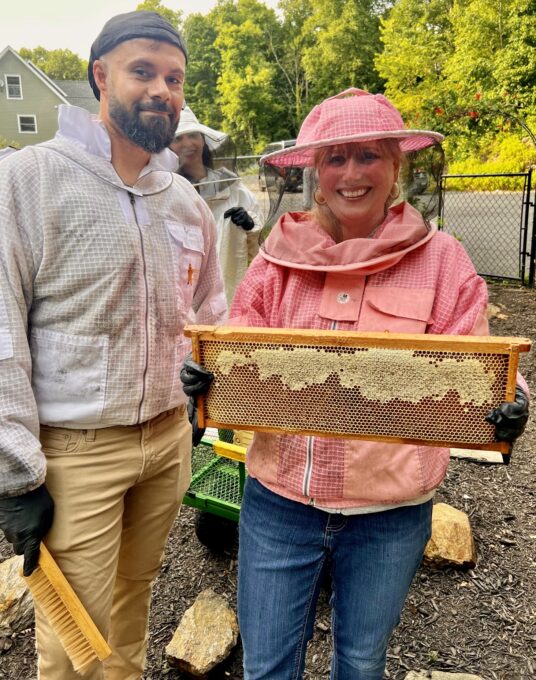
Randa loaned me a beekeeper’s suit (it was a coincidence that she loaned me one in my favorite shade of pink)! 

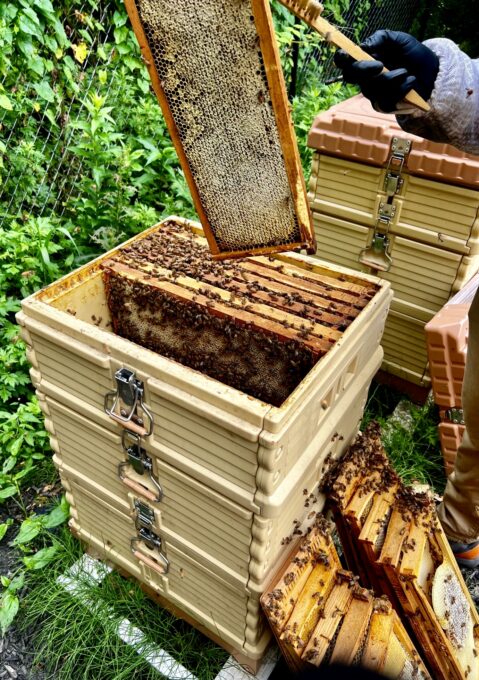
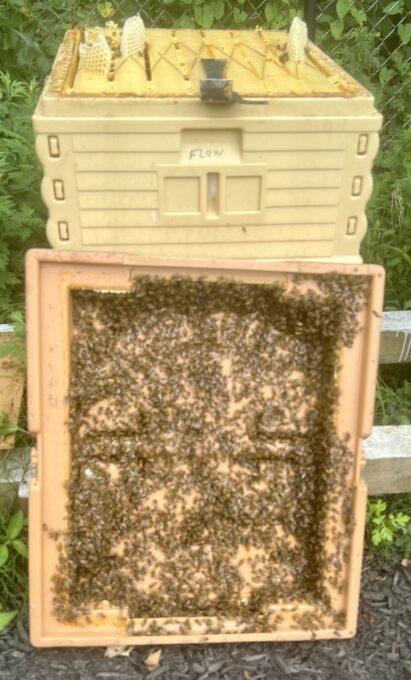
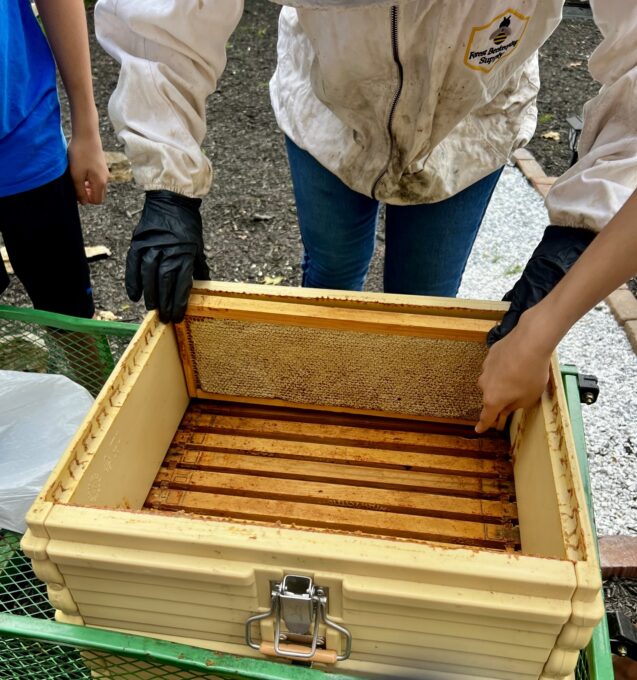
Mohamed has several hives. He says when I decide to have bees, it’s good to start with at least two hives, to keep the hives strong and healthy. The hive boxes he has are insulated, a better choice for our very cold winters than traditional wooden hives. 

First, smoke from a smoker was used to help calm and disorient the bees, so they would be less likely to sting. The smoke wasn’t irritating; it reminded me of a campfire.

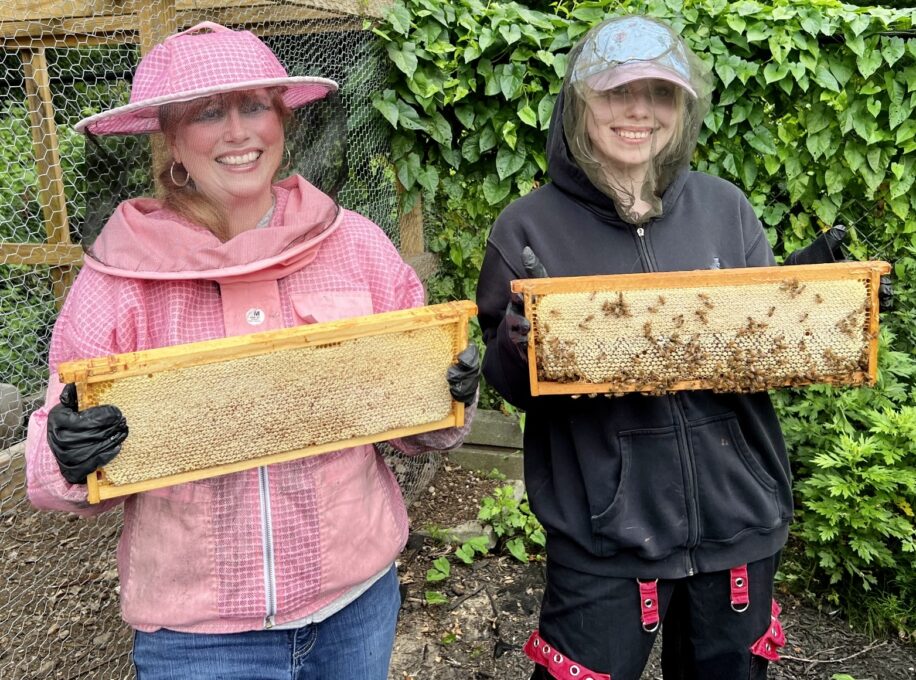
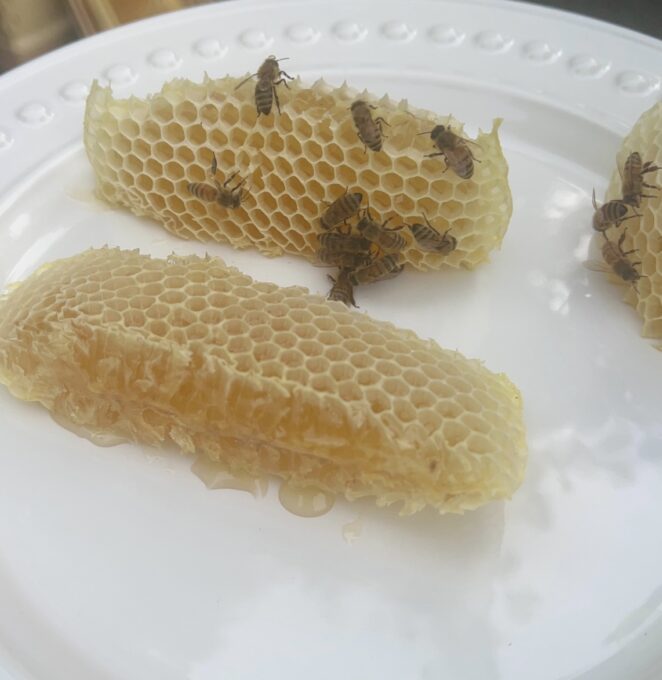
As we helped lift the trays of honey from the hives to the cart that would carry them to the next step, Audrey and I were surprised just how heavy the trays of honey were! Each tray contained honey, honeycomb and wax where the bees had closed the “cells”, behind which the delicious honey was found. You need some upper body strength to be a beekeeper!

The bees were not really aggressive. Mohamed told us that they would first “warn” us by buzzing into us. It was at first a bit unnerving when a few bees “buzzed” and flicked the screen covering my face. We moved slowly so as to not upset them, but also to be careful not to hurt any of the bees by stepping on them, as a few landed on the ground. The buzzing sound of the bees was harmonious. 

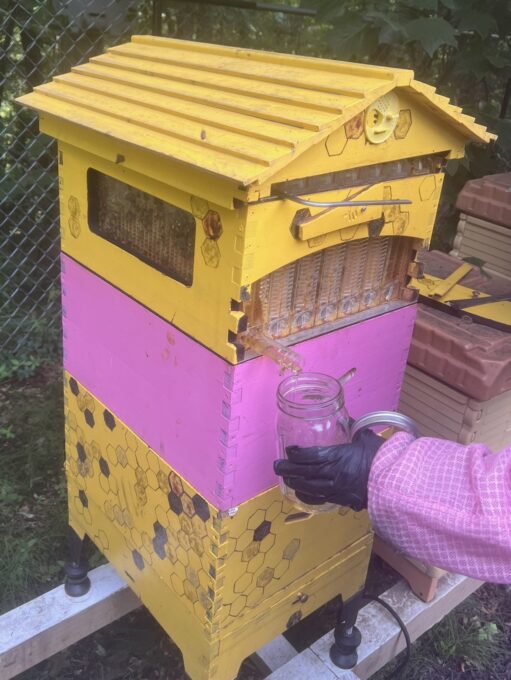
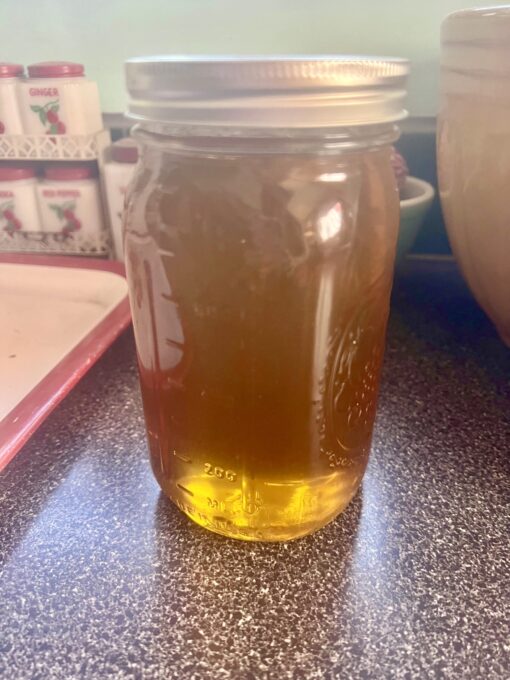
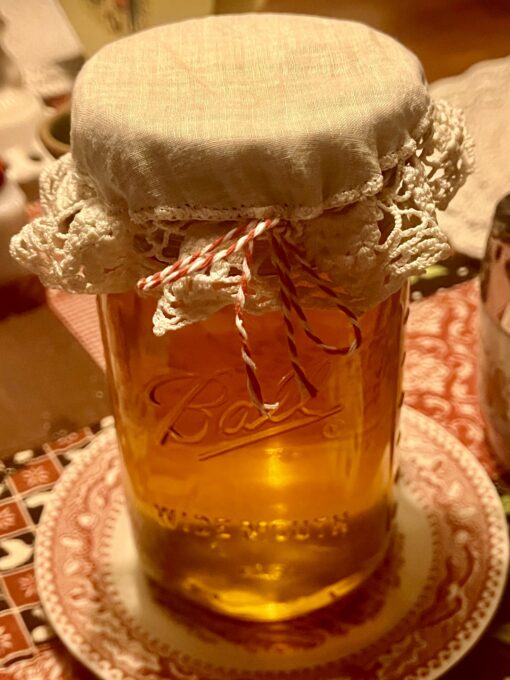
A second hive was housed in a different type of box, where jars could be filled right at the hive. On the side, one could view the hive of bees as they worked. Mohamed filled a large jar of honey for us to take home. 

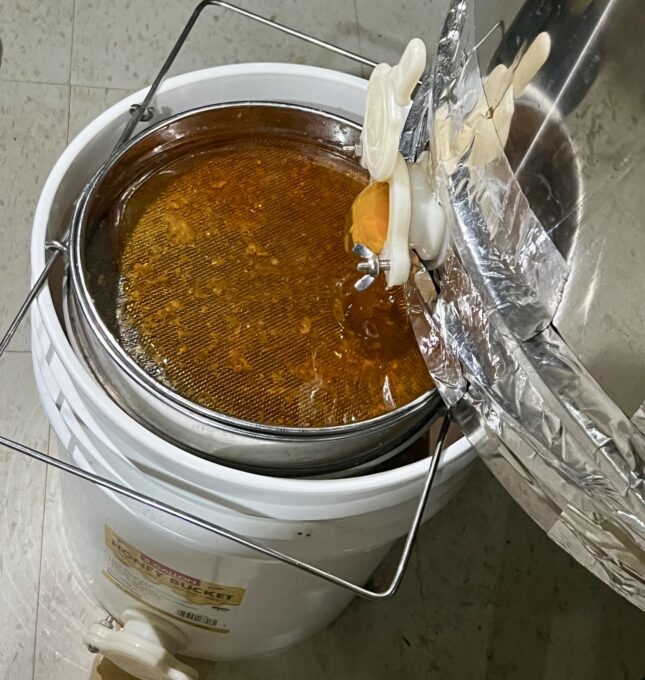
After we filled the cart, we moved indoors to where the spinner was.

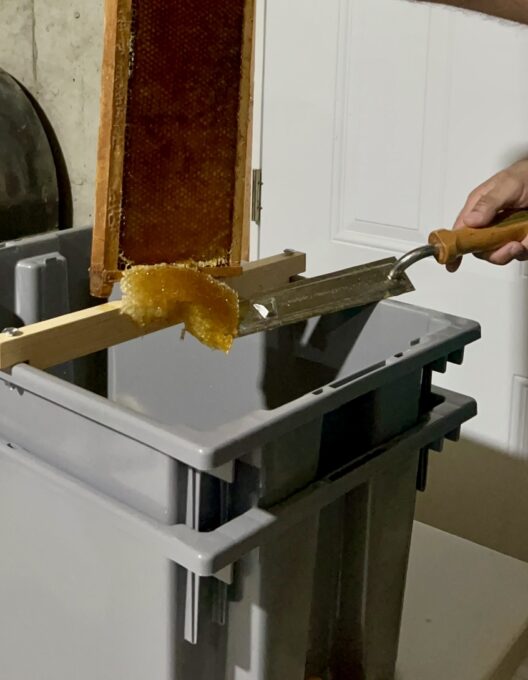
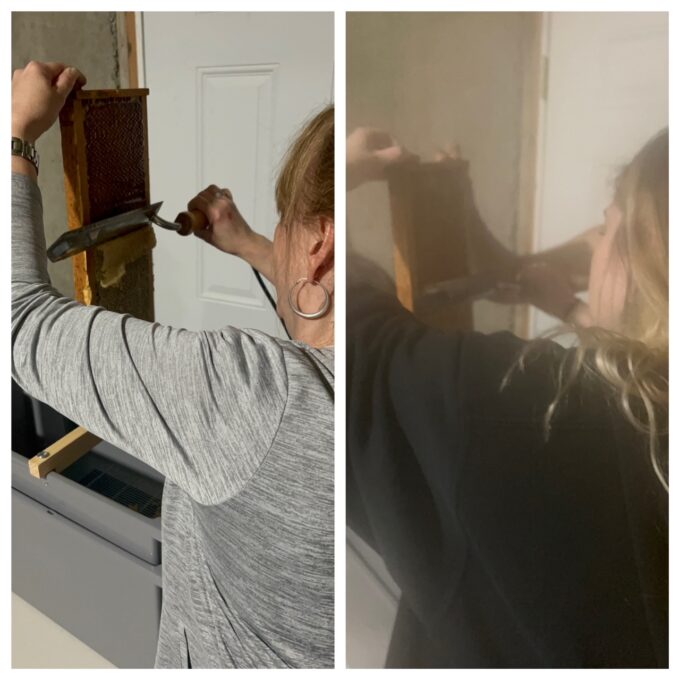
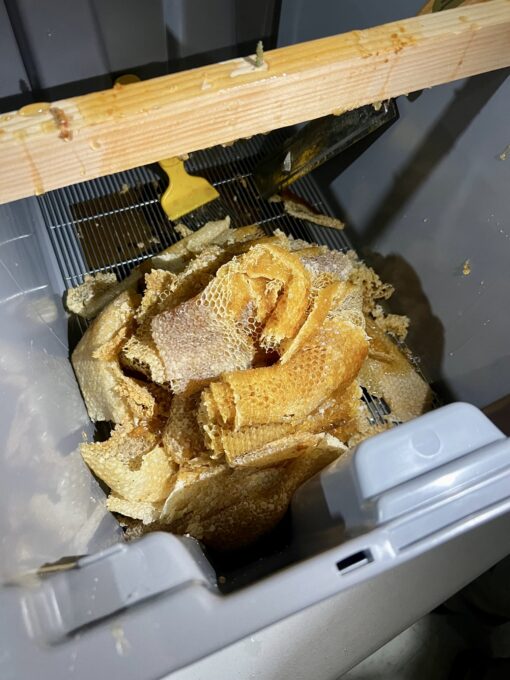
Using a large heated knife, Mohamed taught us how to slice the wax off the trays.  It was not as easy as it looked, and was more difficult if the wax was thinner, as opposed to thick. 

Audrey and I each try our hand at using the electric knife to remove the beeswax, not a physically easy task. Any remaining little bits of wax were hand-picked using a special tool.
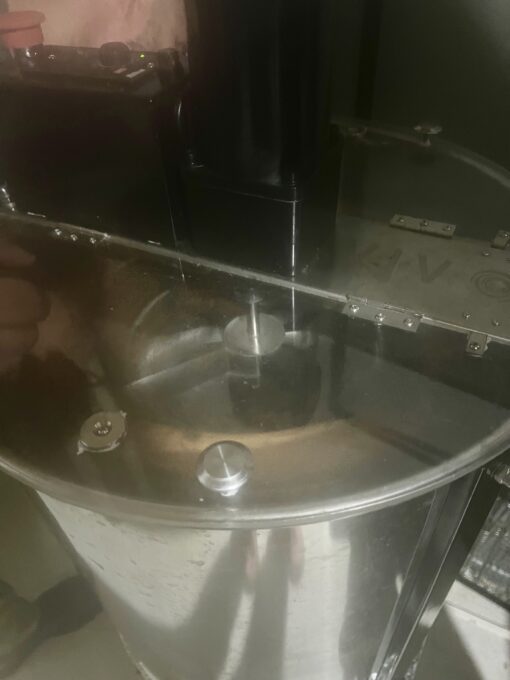
Once the wax is removed, the trays go into the spinner.

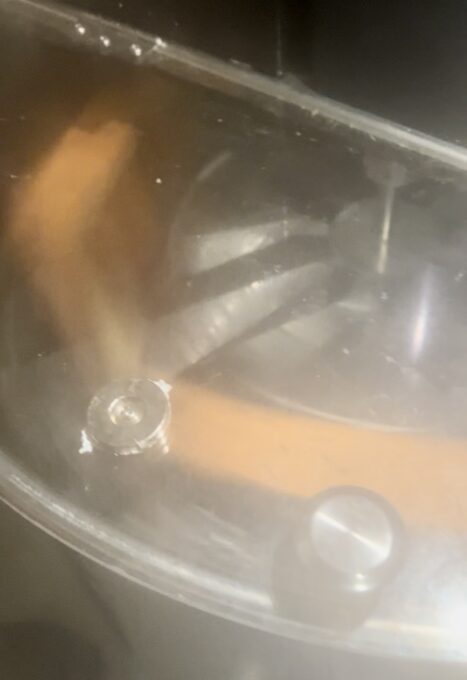
The spinner would spin the trays, collecting the honey at the bottom. The empty trays were considerably lighter in weight than before. Mohamed says when he first had bees, he used a manual spinner for the honey, as opposed to the large electric one.

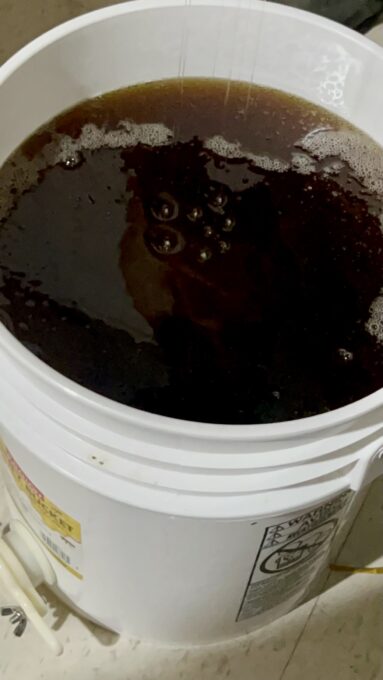
I could not believe how much honey was harvested from one hive! We filled a large bucket of beautiful, golden honey. (Honey, if stored properly, doesn’t go bad. It’s Nature’s perfect food).

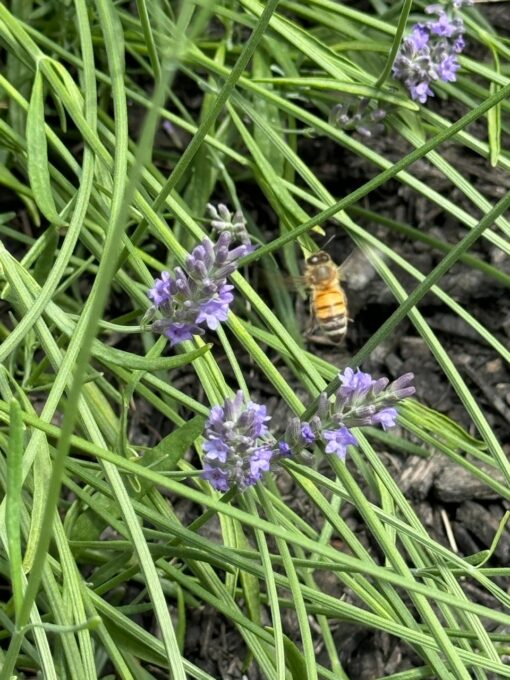
Mohamed shared this photo with me the other day, of the bees in the beautiful lavender plants they have planted in their garden.

“Spring” honey is lighter in color and tastes different than “fall”, which is darker. Taste depends on what flowers are available for the bees, and where they are. Mohamed also had us taste honey harvested from where they used to live in New York state; it had a different taste than what is harvested in Connecticut. We got to try it, along with Randa’s amazing homemade cheese.

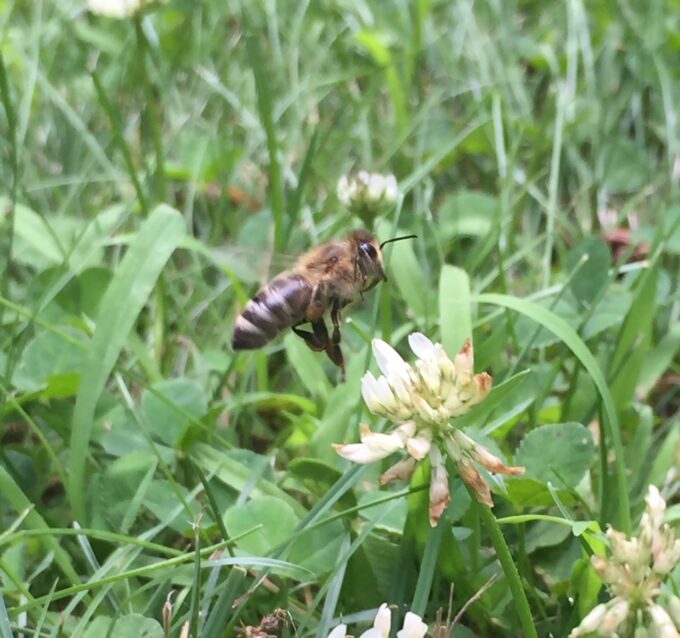
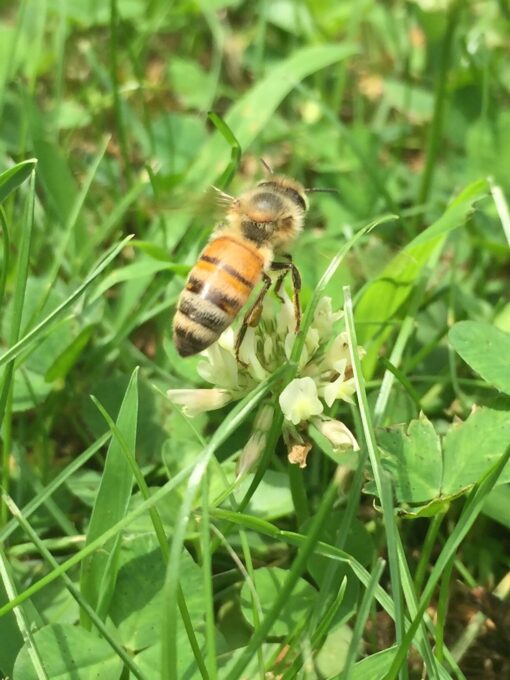
We always love seeing bees in our yard. We have noticed more honeybees in the grass on the clover; when we see them we smile and think they must be visiting from Mohamed’s house! Their hives are very healthy; some beekeepers take all the fall honey from their bees and replace it with sugar water; Mohamed does not do that. 

Before we realized, we had been visiting for several hours! We had the best time, and appreciated all of their amazing hospitality! It was so much fun getting to know our neighbors, and was a wonderful learning experience, as well. Harvesting honey was an event, and I loved that their whole family joined in. Harvesting honey is a lengthy process, and keeping bees is definitely not an easy task. I certainly have a deeper appreciation for the amount of time, expense and hard work that goes into beekeeping, but it is a such wonderful, rewarding thing to do!

Tell me, are you a beekeeper, as well? What is your favorite way to consume honey? Drop me a line and say “hello” in the comments below so I know you dropped by!

What A Difference A Month Makes!

Happy Summer! The season is officially here, and I am so happy! What a difference a month makes, especially in an area where there are four distinct seasons. It’s been a busy couple of weeks!

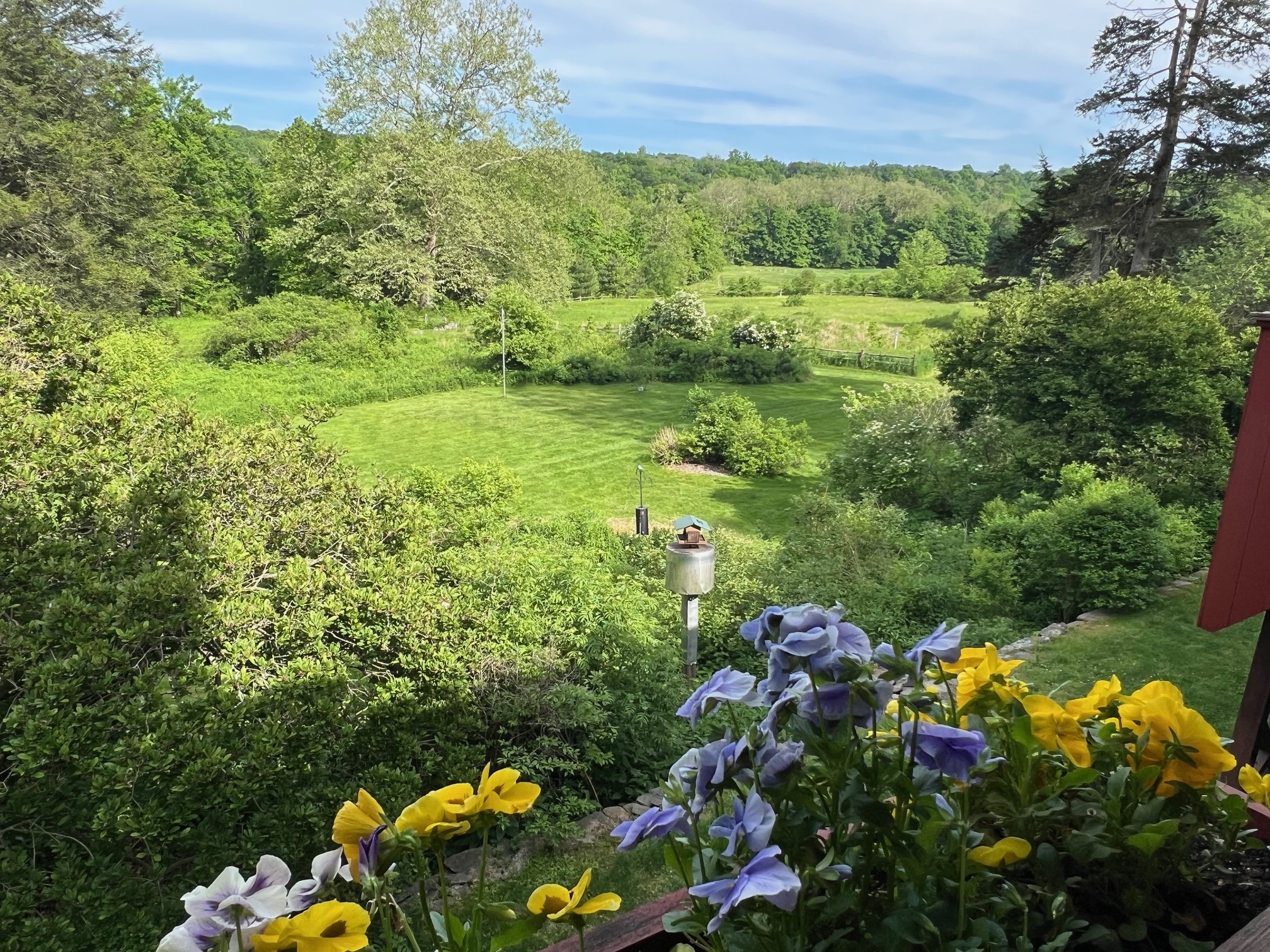
Remember the beautiful trails, the Audubon’s Bent-of-the-River, from last month’s blog? Well, a month later, look at it now! We have been hiking several more times over the last month, and it looks different and even more beautiful, each time! 

This is an overlook from the birdwatching tower, that we did not go in before. Look how alive the area looks now – so green and blooming! I took this photo on a late afternoon, no filter.
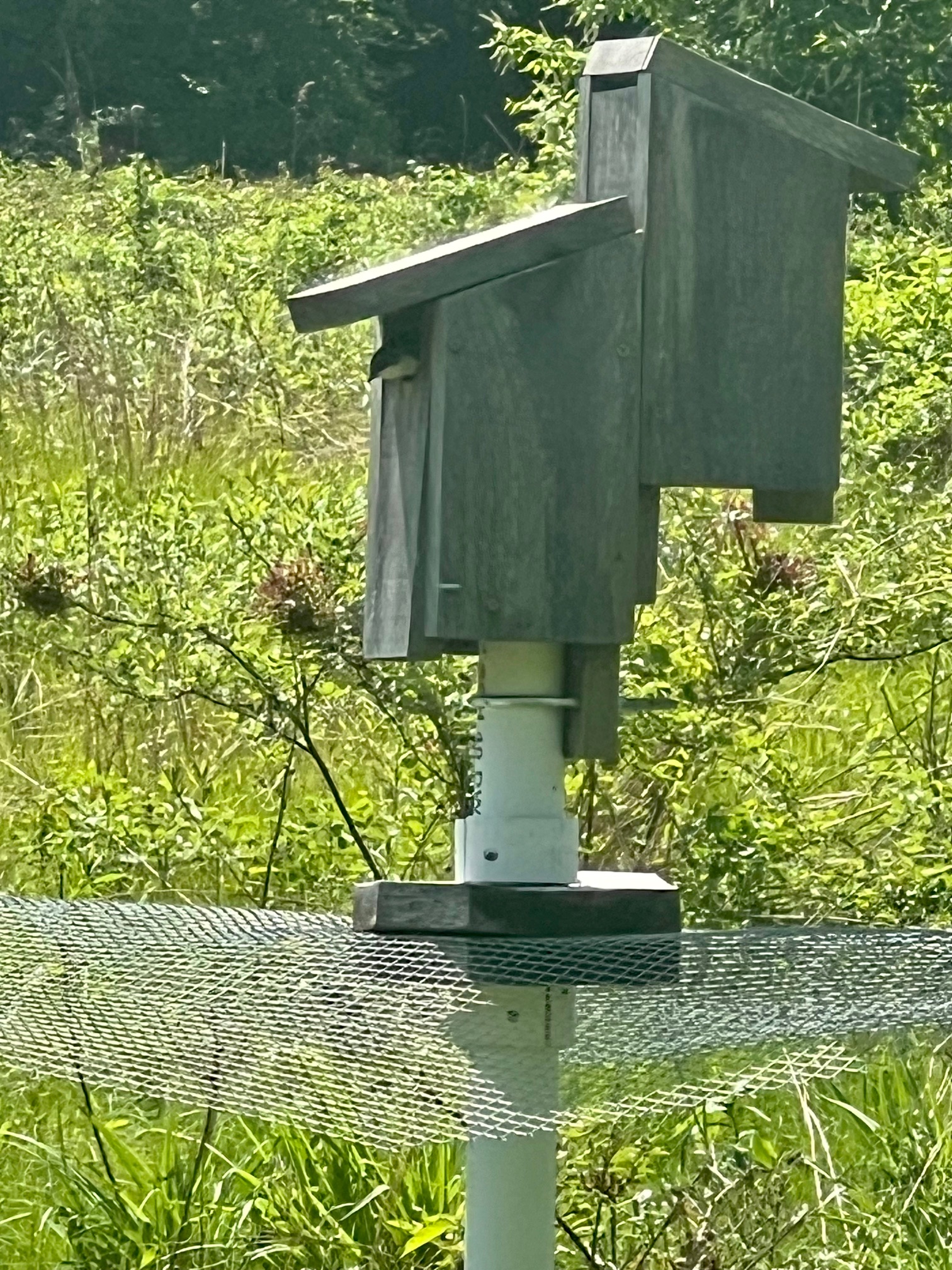
Hello, sweet bird!
So peaceful and green, the riverbank looks so different from a month ago. I wish you could hear all the birds singing!
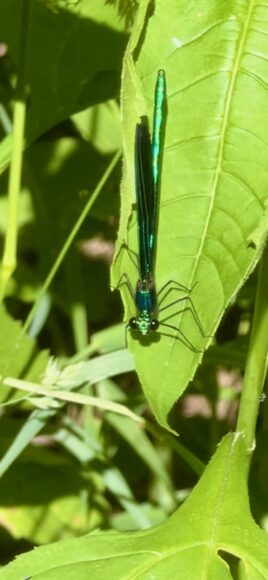
Last weekend, my daughter and I were so excited to notice several ebony jewelwing damselflies! They are so pretty, that they look like something out of a fairy tale!

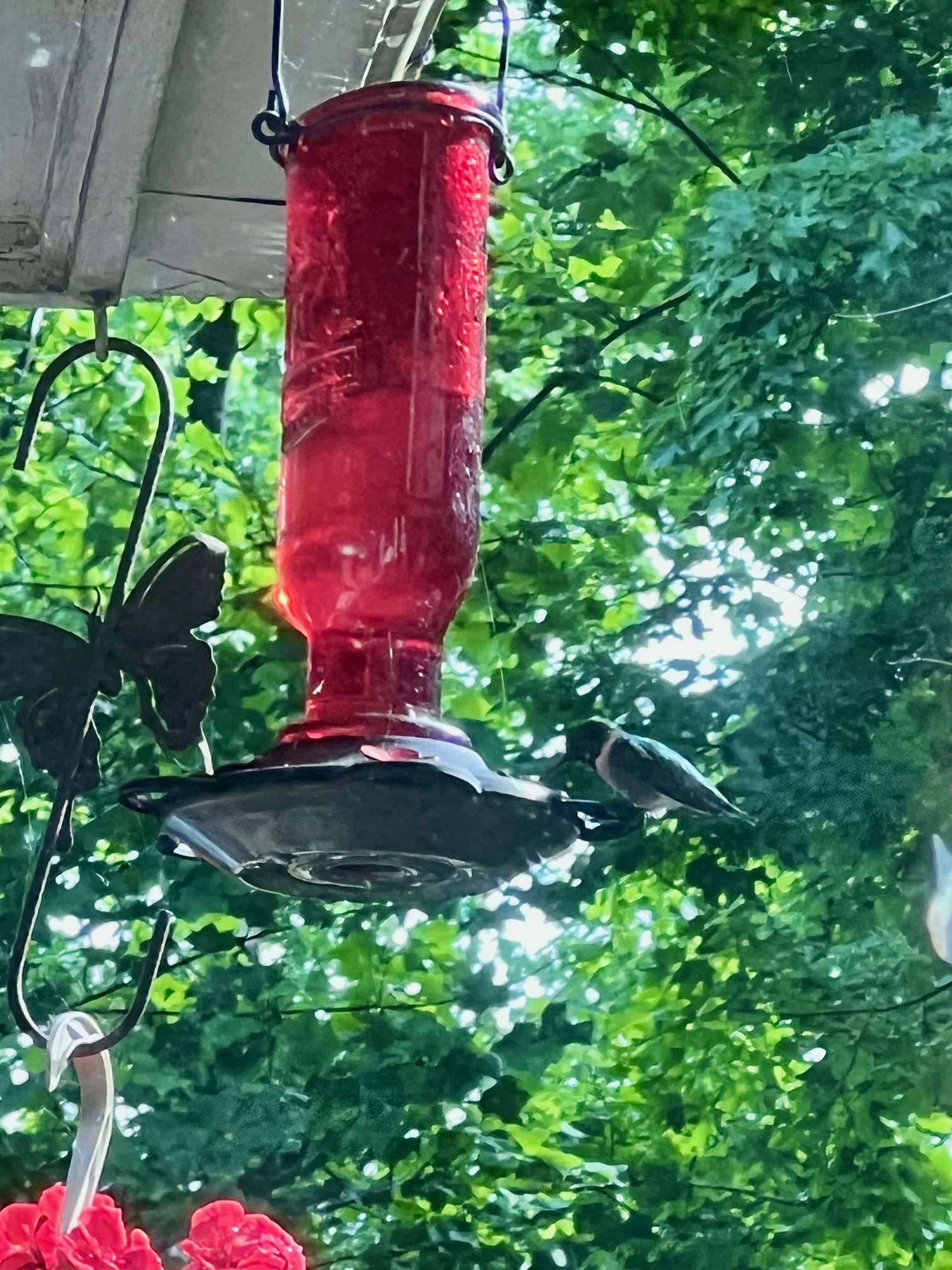
At home, I have also noticed more birds have returned, as well, including my beloved hummingbirds. We were worried when they showed up, but inexplicably disappeared suddenly (several of my friends noticed this, too). Fortunately, they seem to be back! This little guy had “breakfast” with us one morning. 

Just an FYI, the bottle is red, not the contents, and the food is changed frequently.
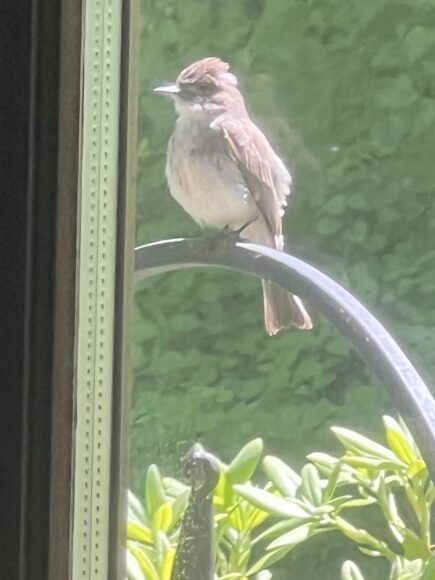
This little guy comes daily, and perches on my trellis. Sometimes I think he is watching us!
Hello, Love!
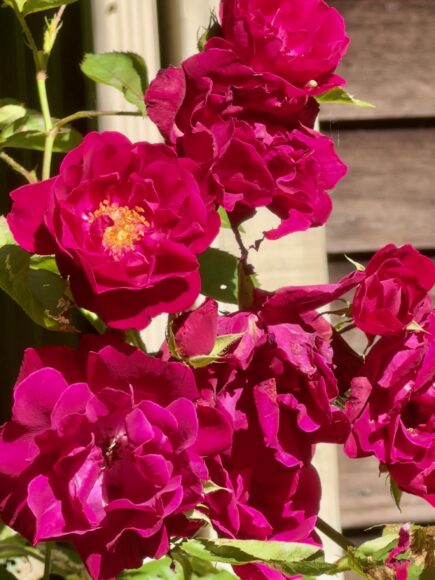
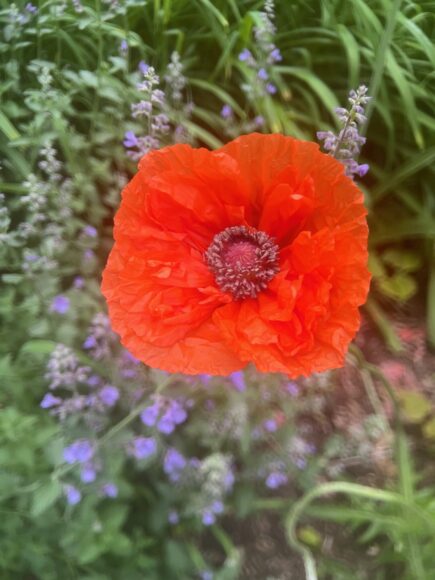
Everything’s coming up rosie! My flower beds are alive with color.

The season started out really rainy! We had so much rain at the beginning of the month, that water began to puddle in the front of the yard. Frogs moved in, thinking we had a new pond! In addition to green frogs, we also have peepers, toads, and tree frogs. The sound they make is like a little symphony! 

I’m looking forward to seeing fireflies dancing in the woods and yard. We should see them in a few weeks. Did you know the reason for their decline is because of the chemicals many people put on their lawns? This is a photo from late last June.

Fireflies use the soil, duff, and leaf litter to overwinter and lay their eggs, and their larvae eat snails, slugs and caterpillars. Putting chemicals on the lawn and using insecticides results in a decline in these sweet little insects. Too much outdoor lighting can also affect their numbers, so turn your porch lights off during firefly season!

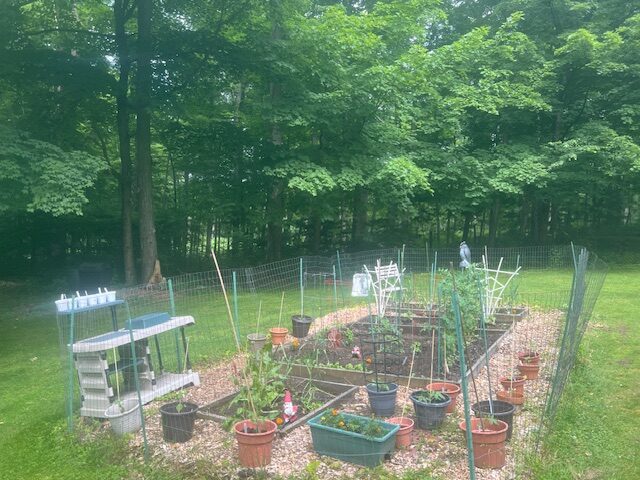
I recently also got my vegetable garden planted. I was worried at first, since the weather has been warm during the day, cool at night. Putting vegetables into cold soil is a problem, since cold soil can bring on issues like blossom end rot in tomatoes later in the season. Remember to water early in the day, avoiding overhead watering, to keep down plant diseases that occur when water is left on leaves overnight.

Grow, little seedling, grow!
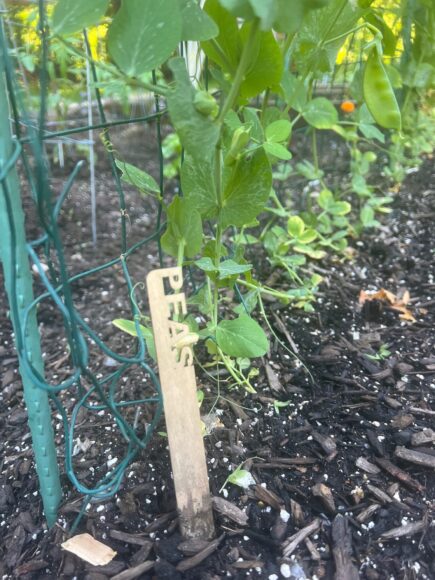
PEAS, PLEASE! Aren’t those little markers the cutest? They were made by a local artisan.

This looks to be a great season! Every day I am harvesting peas, which were planted in March as soon as the ground was thawed. I’ve got several types of tomatoes, eggplant, peppers, snowpeas, arugula, carrots, squash, cucumbers, swiss chard, radishes, and watermelon planted. 

Garlic will be harvested in a few weeks, though I really do plant it more for the scapes than the actual garlic. MaryJane first introduced me to garlic scapes in her first book, so many years ago, and I have been hooked ever since! On the other side of the property, corn is coming up, and we’ve got blue potatoes to look forward to harvesting. Everything is planted from seed. Planting a garden from seed is not only economical, but you also know exactly how your food was planted (I do everything organically). I also feel such a great sense of pride when harvesting food for my family that I planted, beginning with seed. I think this is going to be a great season, much better than last year, when we had all the smoke coverage from the horrible Canadian wildfires!

We recently attended an outdoor college graduation party in picturesque Bethlehem, for a dear friend’s daughter, who is also one of my daughter’s friends.

Our girls met when they were little, as Daisy Girl Scouts, so long ago. The party was held on a working  farm. In addition to running a CSA, a farm store, and Pick-Your-Own, March Farm also rents out beautiful landscape areas for events.

It was a picture-perfect day, and the party was held under the shade of large, beautiful trees, including a weeping willow, and next to a large pond where guests could take paddle boats out into the water. A pizza truck provided a scrumptious lunch for everyone, and my friend, who threw the amazing party for her daughter,  baked dozens upon dozens of homemade cupcakes, (that looked like works of art and tasted like cups from Heaven) for dessert. My friend Erin always amazes me at all she does, and is the best baker I have ever met (her daughter is just as wonderful). I think when we are able to witness friends or family grow from a child to an adult, and see what great things they do, it is such a blessing! 

My daughter’s boss recently gave us a handful of rhubarb from her garden. I have to admit, despite being an Advanced Master Gardener, my interaction with rhubarb has been very little, but I have always loved anything made with it because I love its tartness, especially when paired with sweet. While the leaves are toxic, the rhubarb stalks can be green or red, depending on the maturity of the plant. I had strawberries on hand, but not enough of either to make a pie, and any recipes I found sounded too sticky or sweet, or full of dairy such as buttermilk, including quick breads (my daughter is allergic to cow’s milk).

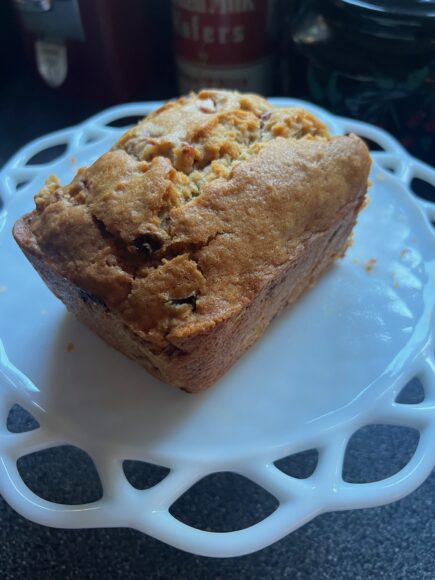
Y’all know I love a good quick bread, so I made this, working off of my recipe last year that I created for my cherry bread. The result was delicious (and quickly disappeared)! My version is moist, not too sweet, and perfect for breakfast with a cup of coffee.

Suburban Farmgirl Strawberry-Rhubarb Quick Bread

2 cups flour

2 tsp baking powder

½ tsp Himilayan pink salt

¾ cup organic sugar

¼ tsp cinnamon

Sift dry ingredients together and set aside.

Cut 4 stalks of rhubarb into pea-sized pieces, equal to one cup, and combine with one cup of fresh strawberries, cut into pea-sized pieces, tossed with 2 additional TBSP of flour. Set aside.

Whisk together 1 large egg, 1 tsp vanilla, ½ cup of oat milk, and ¼ cup of organic  coconut oil, or other oil of your choice. Fold into the dry ingredients, and mix together until all is moistened. Lastly, fold in the rhubarb and strawberries. 

Fold into a greased loaf pan. (I prefer glass, like Pyrex).

Bake at 350 degrees for 45 minutes to one hour, or until a toothpick comes out clean. Cool quick bread completely before removing from the loaf pan and slicing. ENJOY!

I also know it’s officially summer when we can sneak off to the beach! It was a balmy, breezy day recently – just perfect!

Such a treat after all the cool, wet weather! The humidity was low, the sun was high, and the water was cool, but not too cold to dip into. I adored being at my “happy place”! I love the ocean sounds, and walking up and down the shoreline. Walking in the sand is great exercise!


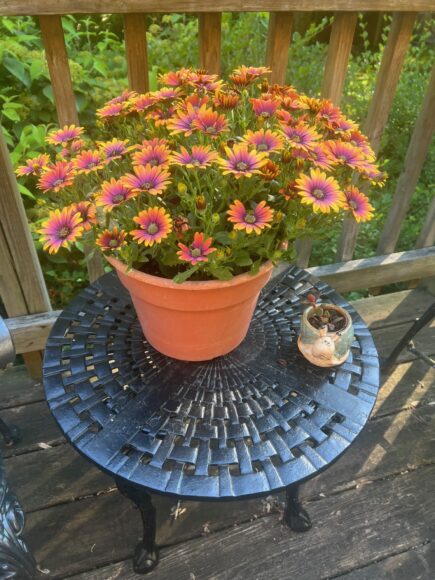
At home, on the porch, my potted herbs and flowers greet us every morning. I love geraniums, because of their classic, “it’s summer” look (they remind me of my childhood) and ease of care, but I am also IN LOVE with the beautiful pot of Osteospermum flowers that my daughter bought for me. 

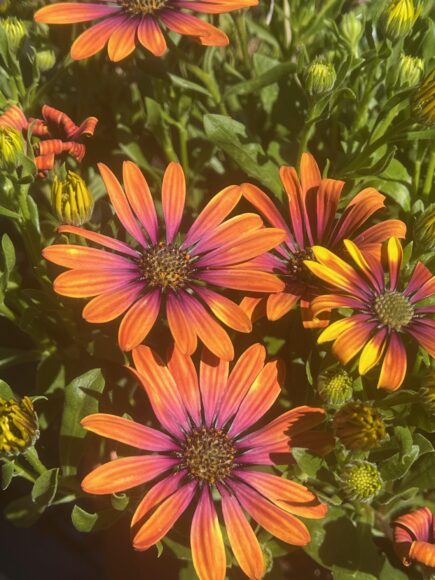
Also known as African daisies, these stunning flowers have only been available here in the states since the nineties. I love this specimen’s gorgeous, purple and orange buds! 

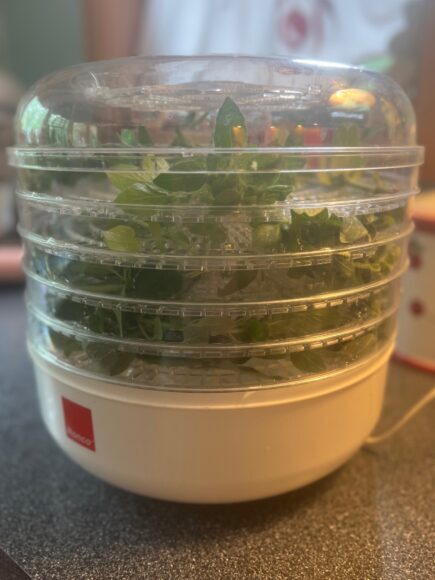
In the front herb garden, herbs such as thyme, sage, mint and oregano are doing very well this year. I have an abundance of herb plants, so each morning I am picking a bit and flash-drying them in my dehydrator, to use in winter when fresh herbs are done. Picking herbs early in the day ensures the best flavor, and dehydrating them is economical (have you seen the prices on spices and herbs these days? Yikes!) but also keeps fresh, great taste. Some cooks prefer to freeze fresh herbs but I find dehydration tastes just as good and preserves the wonderful aroma and color. Once dehydrated, which only takes a few hours, I crush the leaves and store in an airtight container or jar. I can also put my dehydrated herbs in pretty jars to give to friends at the holidays.

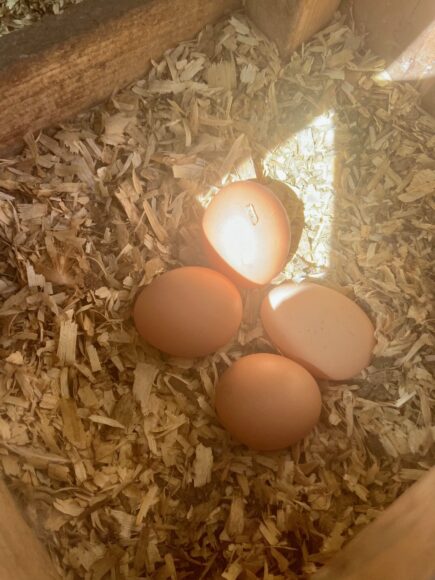
My “girls” are laying more eggs with the longer, sunnier days, as well. 

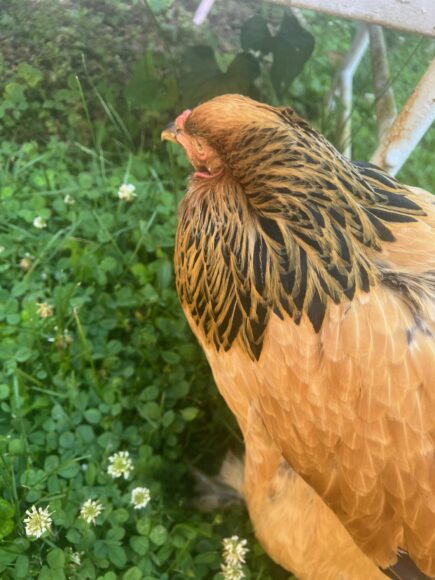
My favorite pet hen, “Baby” loves to snack on clover blossoms.

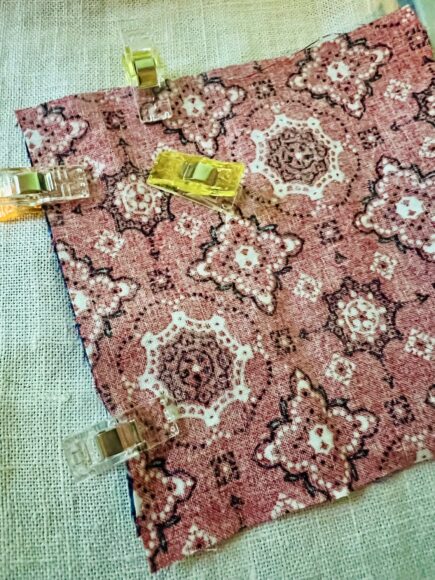
Inside, I also always look forward to a few summer crafts, as well as summer knitting and sewing projects. This summer, I am going to finish as many “WIP”s” (works-in-progress) as I can. I have several knitting projects I want to finish, and I’m sewing up a cute, quilted patchwork table runner in summer colors for my coffee table. Sewing clips are a game changer!

My friend, Linda, gave me a tin of these wonderful clips! My sewing is so much more enjoyable without struggling with pinning! They hold fabric together better than pins, and are so fast and easy to use.

Linda says these clips from wawak.com are the best ones, and are at a great price, to boot. I wish I had known about them a long time ago!

I’m ready to embrace the summer season, how about you?

Trooper says, “I’m ready, Mama!”

Tell me, what’s going on with you? What projects are you working on, and what’s growing in your garden? I love hearing from my fellow farmgirl friends and readers!  Leave me a comment and let me know you stopped by!

Surviving A New England Suburban Winter

Greetings, Farmgirl friends! I hope this blog post finds you all doing well! In my part of the country, the first months of the year are the most difficult part of the winter season. It’s dark, it’s cold, and this year, it’s been R-A-I-N-Y and S-N-O-W-Y! It also seems like everyone we know has had a cold or cough at some point, and the days are long. If anyone knows how to get through endless dreary winter days, it’s all of us in New England!

It was in the negative digits the day this photo was taken. The sun on the snow was so beautiful.

While we haven’t gotten endless days of snow (just a bunch at once) or the horrible, below-zero temps we had a year ago at this time, the entire year has been so wet and this past month it has been so dark out much of the day!

With being inside so much, and with so many viruses and respiratory infections that plague this time of year, it’s important to do as much as we can to stay healthy. Eating superfoods is important. One of my favorite superfoods are organic blueberries, chock full of antioxidants. We throw them on cereal and oatmeal, eat them as a snack, throw them in green salads (delicious with a balsamic vinaigrette), and bake them into quick breads and muffins. I eat them all year round, but I especially love it when summer comes and the blueberry bushes I planted in the front of my house many moons ago grace us with a bounty of berries! Until then, I have to buy them at the grocery store.

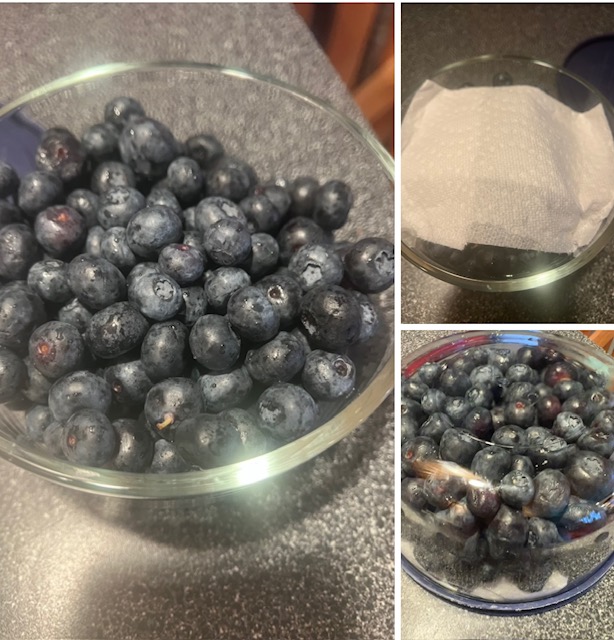
Since groceries these days are so expensive, (especially fresh produce), I don’t want to waste anything! For berries, I keep them fresher longer by using this trick when storing them. I wash them, letting them drain in a colander. I then transfer them to a glass bowl with a tight-fitting plastic lid (I love the modern Pyrex for this). Before I close the lid, I take a quarter or half sheet of paper towel, and place it on top. I then seal the berries, but turn them upside down in the refrigerator before storing. The paper towel absorbs excess moisture, keeping the berries from molding or going bad too quickly. I replace the towel every other day or so, when it becomes damp.

Staying hydrated this time of year is also so important, but many of us forget to drink much in winter because we don’t always feel as thirsty as in warmer months. Indoor air is dry and warm. Still, I get tired of water, even with lemon, and while they don’t have sugar, I try to limit seltzers because too much carbonation isn’t good for us, either.

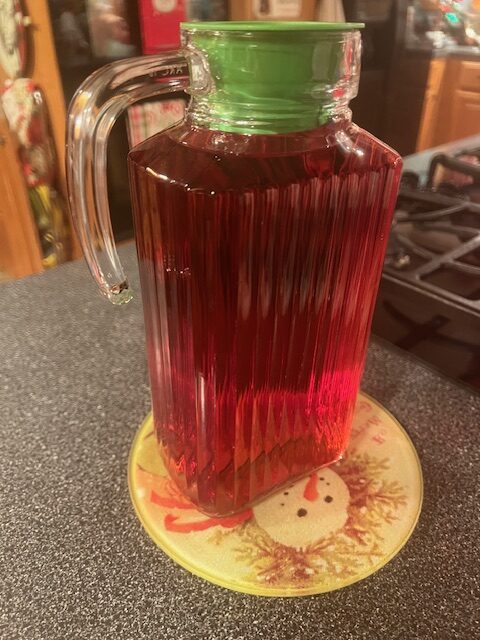
Decaffeinated and herbal teas are a good choice. One of my favorite thirst-quenchers is iced tea! Teas, especially black and green, are a great source of antioxidents. Lately, I’ve also been enjoying herbal Hibiscus tea. Hibiscus tea can be enjoyed hot, but it is especially refreshing served cold! Hibiscus tea hosts a tremendous amount of antioxidants, as well as is reported to host other benefits.  Some studies show it may also lower blood pressure (so I drink it sparingly, and it should not be consumed by those on blood pressure medicine). It’s also thought that it may possibly help improve blood fat levels, may improve liver health, help prevent cancer, decrease the growth of bacteria that cause various infections such as UTI’s, and ward off bronchial infections and stomach infections. I love it because it has such a delicious zing, without caffeine. To make any of my iced teas, I pour boiling water over two tea bags in a pitcher, allowing them to steep until the color is nice and deep, adding cold water to top off before storing in the fridge. In addition to decaf black tea and hibiscus tea, I also enjoy making pomegranate iced tea, and other similar herbal flavors such as blueberry (just make sure that the tea is organic, using only natural and not artificial ingredients). 

On freezing cold days off, we often  love to hurkle-durkle in winter! The term hurkle-durkle (my new favorite word) refers to lounging in bed long after it is really time to get up, a 200-year-old Scottish phrase. Winter is the only time here that we really watch much television. On days off, we will turn off the news, catch up on our reading (or my knitting), perhaps while streaming an episode or two of a good show. We hurkle-durkle while we drink our morning coffee!  Two of my favorite series that we have recently binge-watched are Masterpiece Theater’s Poldark series, running from 2015 to 2019 (beyond fabulous),and Only Murders in the Building, currently streaming on Hulu and starring Steve Martin, Martin Short, and Selena Gomez. I’ve really enjoyed this series; it’s something “different”,  and the “surprise” guests that show up in season 3 also make it a fun watch. Although, I have never been one to lounge around too long, so after a second cup of joe or so, I have GOT to get up! It’s hard to get going on a cold, wet day when you have warm, snuggling pets with you!

My littlest dog is a “Hurkle Durkle Master”!

Eating out has gotten quite pricey, and many restaurants have unfortunately closed in our area. Also, it gets dark here early in the winter, and then temperatures drop. I’d rather stay home and be cozy! A dear friend and I have been making dinners for each other, instead of going out. We take turns going to one another’s home in the early evening. We dine, catch up, and end the evening by 8:30 or so. Recently, she made me the most delicious Italian dinner, served on her beautiful antique china.

When it was my turn, I made a complete Danish dinner of meatballs in curry sauce, and for dessert, aebleskiver, served with homemade strawberry jam from strawberries picked fresh last summer. Simple, inexpensive meals are not complicated to make, and having dinner made for you, while spending time with a dear friend is such a winter pick-me-up. 

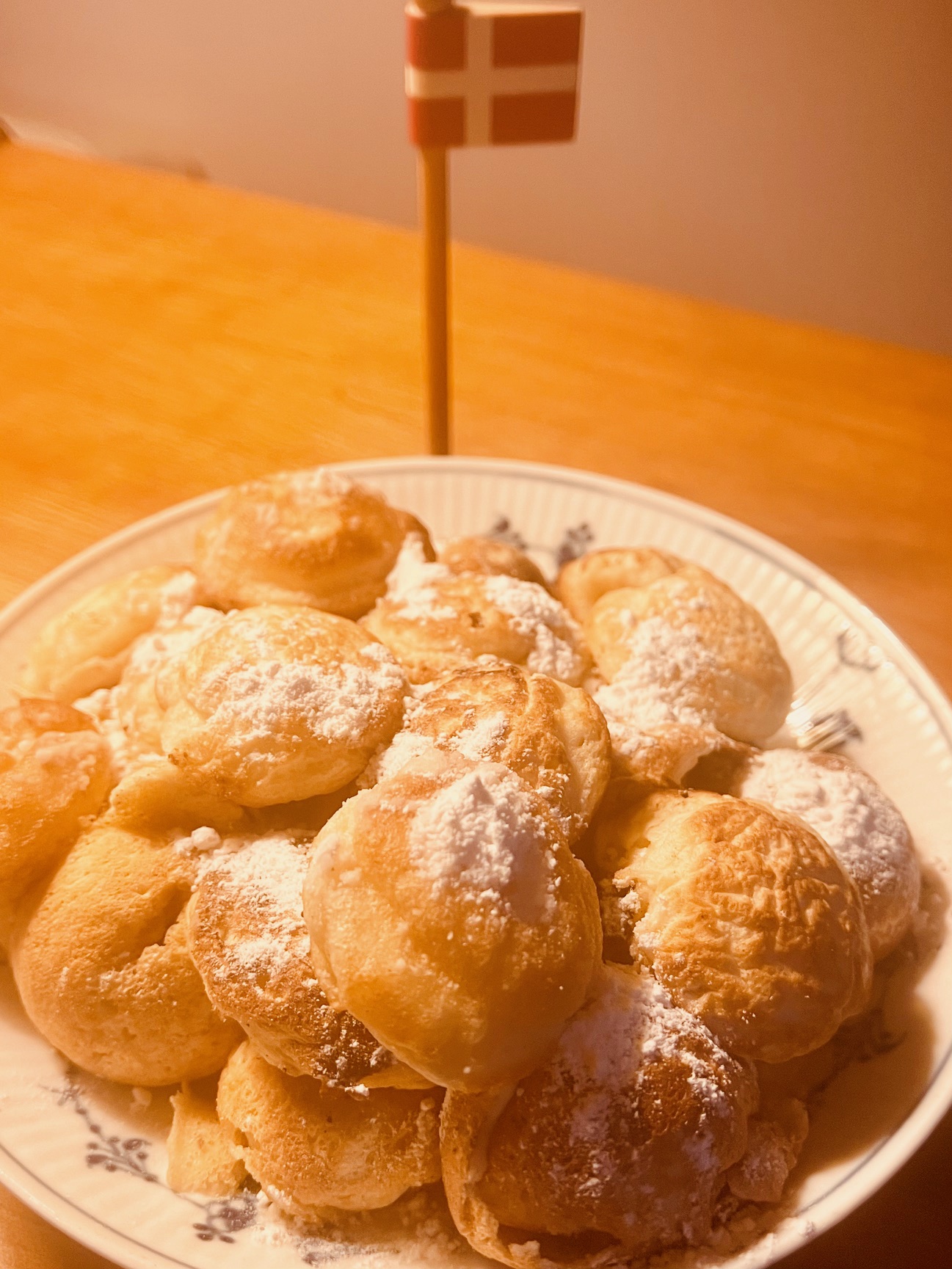
During the winter, my family also tries to strive for hygge, the Danish term that means coziness, comfort…happiness. Sharing a platter of aebleskiver together, the wood burning stove burning warm with our dogs by our sides, is a treat on a cold day. While there are many variations for aebleskiver, my favorite recipe is a classic, very old Danish recipe that uses just a few simple pantry ingredients always on hand.

I made this plate of aebleskiver to munch while our family caught the coronation of the new King of Denmark this winter.

Classic Danish Aebleskiver

  •  1 cup flour,  
  • 2 tsp baking powder
  •  1/4 tsp salt
  •  2 eggs, separated
  •  1 cup milk (I use oat milk due to a family member’s allergy).

Whip egg whites until frothy with peaks. Sift dry ingredients together. Add the milk and egg yolks to the dry ingredients, mix until smooth. Fold in the egg whites.  Add oil to each well of an æbleskiver pan. Add dough halfway to each well. Flip, using a fork or skewer when they start to bubble. Dust with powder sugar (or vanilla sugar if you have it).

*I love my well-seasoned, cast iron aebleskiver pan; nowadays aebleskiver pans are widely available at many stores and online, at a variety of prices. You can now even find them on Amazon. *

We have jumped at being outside a bit on days where we’ve had dry weather and sunshine, taking walks. Getting outside, anytime of the year, in the sunshine and fresh air is so important for good health, body and soul (something farmgirls all know very well). We even recently had an afternoon here that reached 53 degrees! 

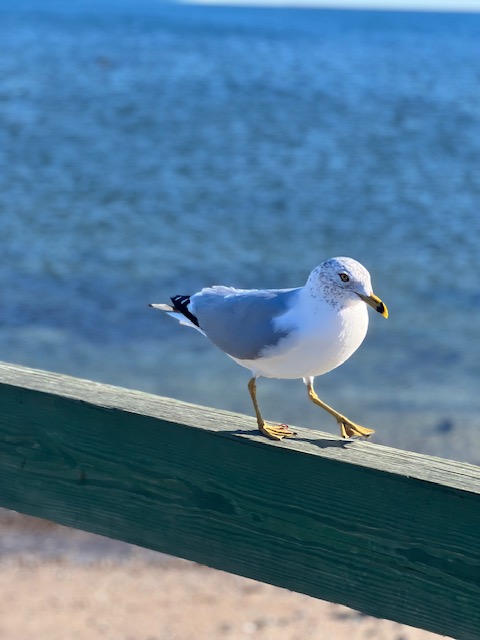
One “warm” afternoon, we were even able to walk on the beach. The water was so still, there were no waves at all. Though in the 40’s, the wind was still cold, reminding us that winter still has a hold. Yet, being by the sea was so good for the soul!

This sea gull decided to walk along with us a bit.

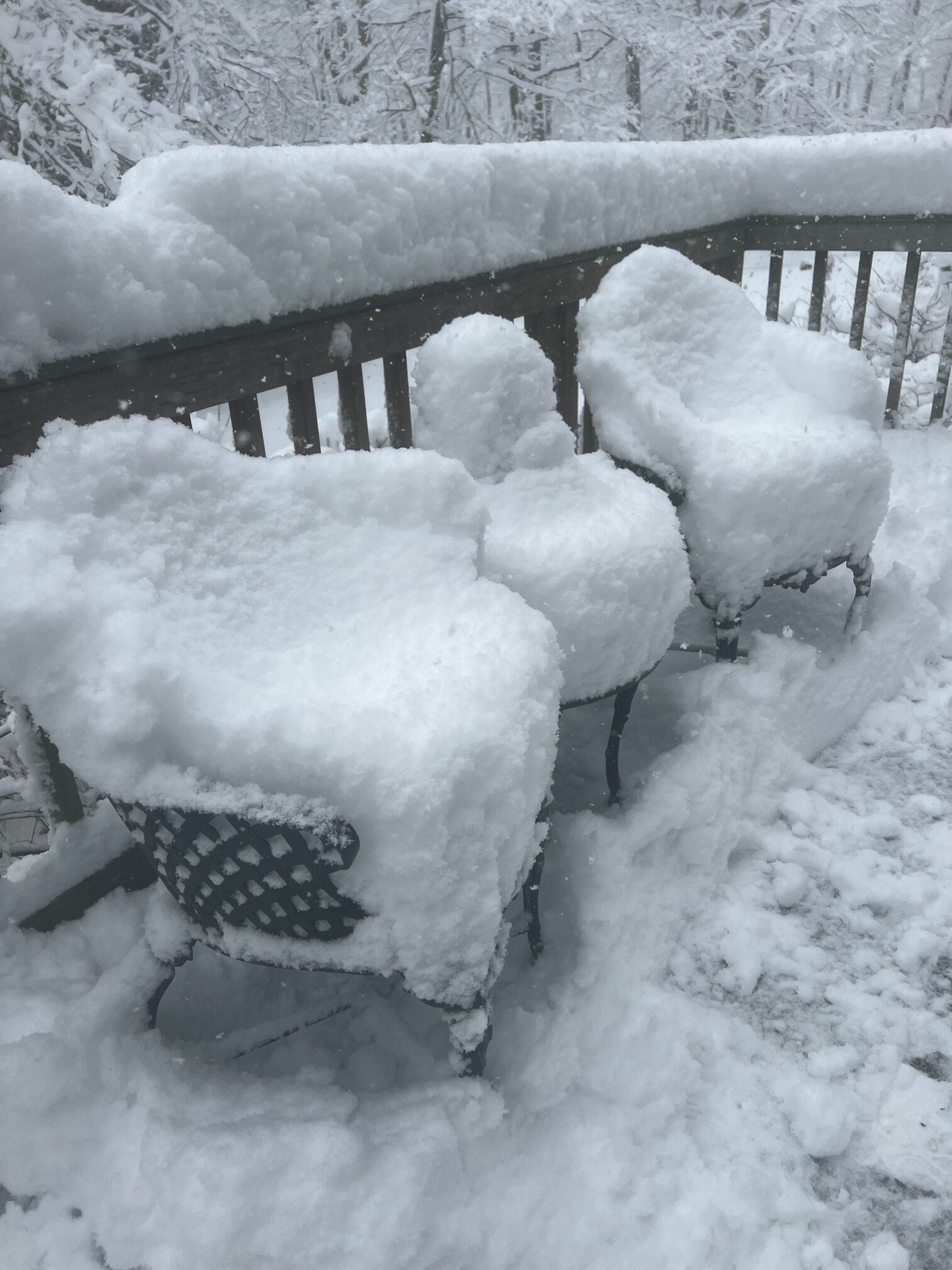
However, by mid-week, we had the largest blizzard seen in the area in several years! There will be no “porch sitting” for a while!

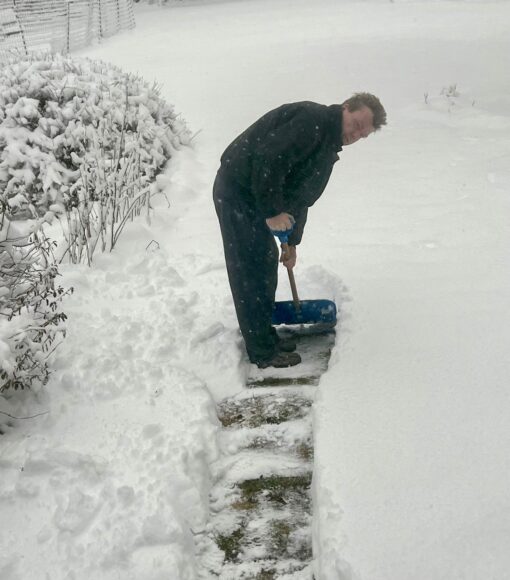
We had to keep shoveling snow so our little dog could go out. Our big dogs are not as thrilled by the snow, and there will be no barbeque on the grill for a bit!
Scarlett says, “Oh great. THIS cold, wet stuff again. I am going INSIDE!”
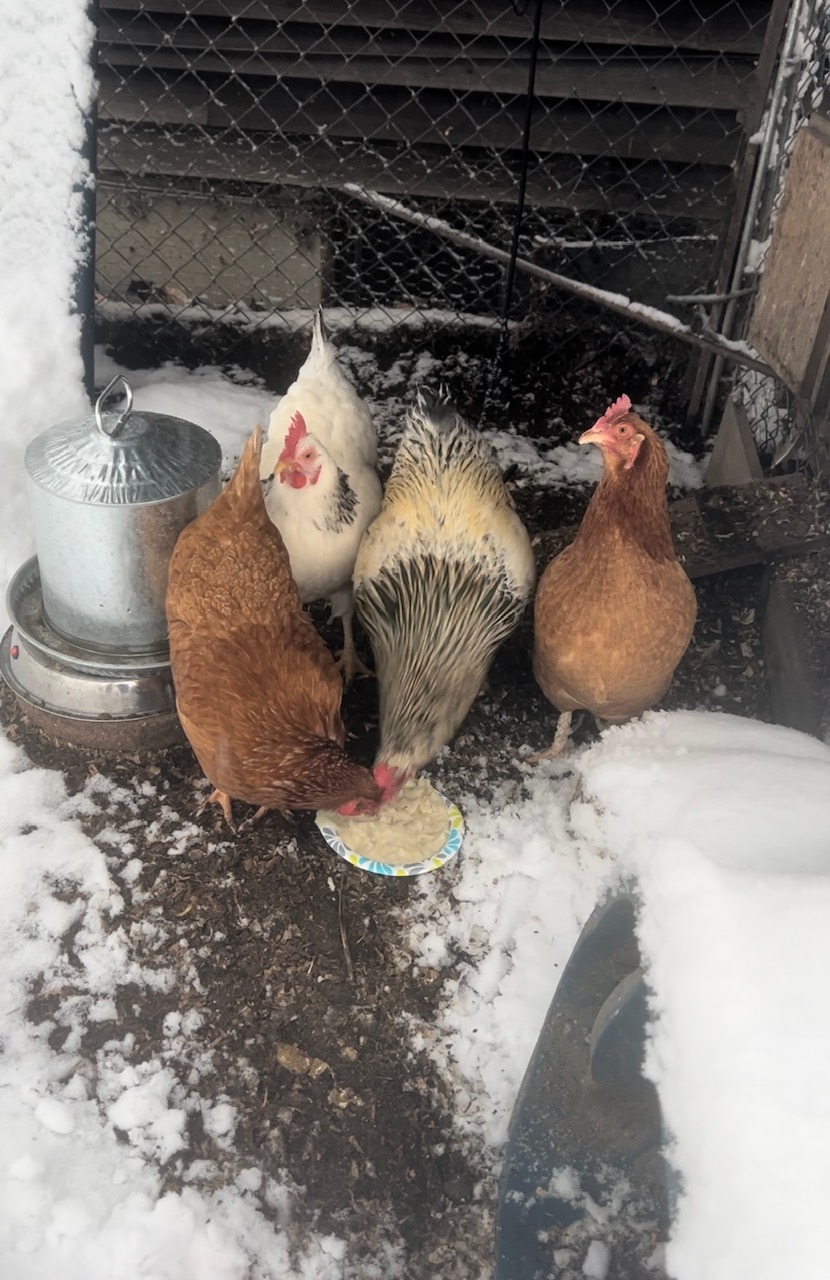
My girls and Roo enjoyed a hot treat for breakfast, then retreated to their cozy coop for the rest of the day.

Schools and businesses are closed. When that happens, however, everything is back to “normal” by the very next day. Winter teaches us to “go with the flow”, to handle change, and to be prepared.

My Viking husband, sans gloves and hat, starts the morning shoveling a path for our beloved pups.
Even though it is winter, spraying with deer repellent occasionally will deter the deer and other critters from munching buds so there are flowers in the spring.

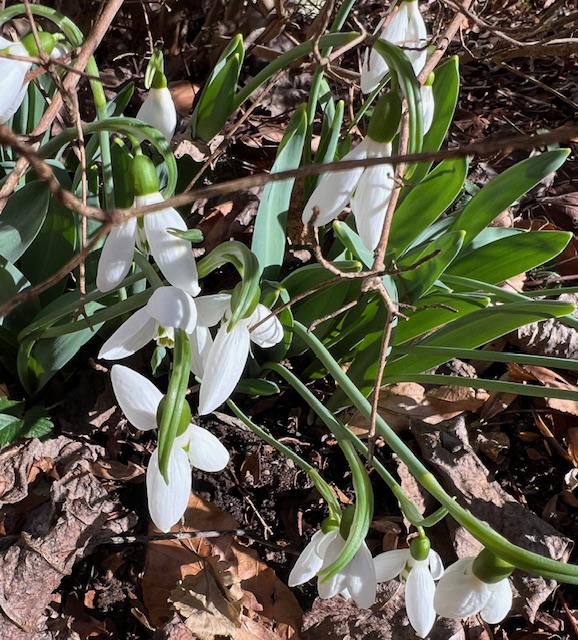
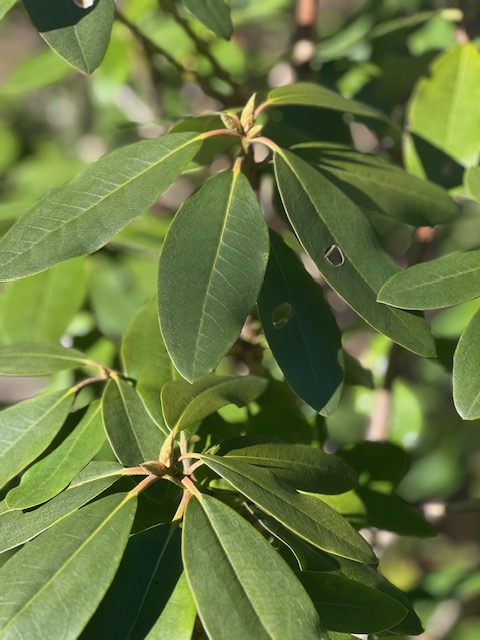
While shoveling snow is a workout, winter gives us a chance to slow down a bit before the busy seasons, spring through fall, arrive again. Before the snow hit, there were little signs that winter would eventually end…the rhododendrons have little buds at the tips, snowdrops have bloomed beneath the snow and ice…little signs of brighter days ahead!

I hope your days are bright and your winter is going well! Remember to leave me a comment so I know you dropped by!