


.
Hello Friends!
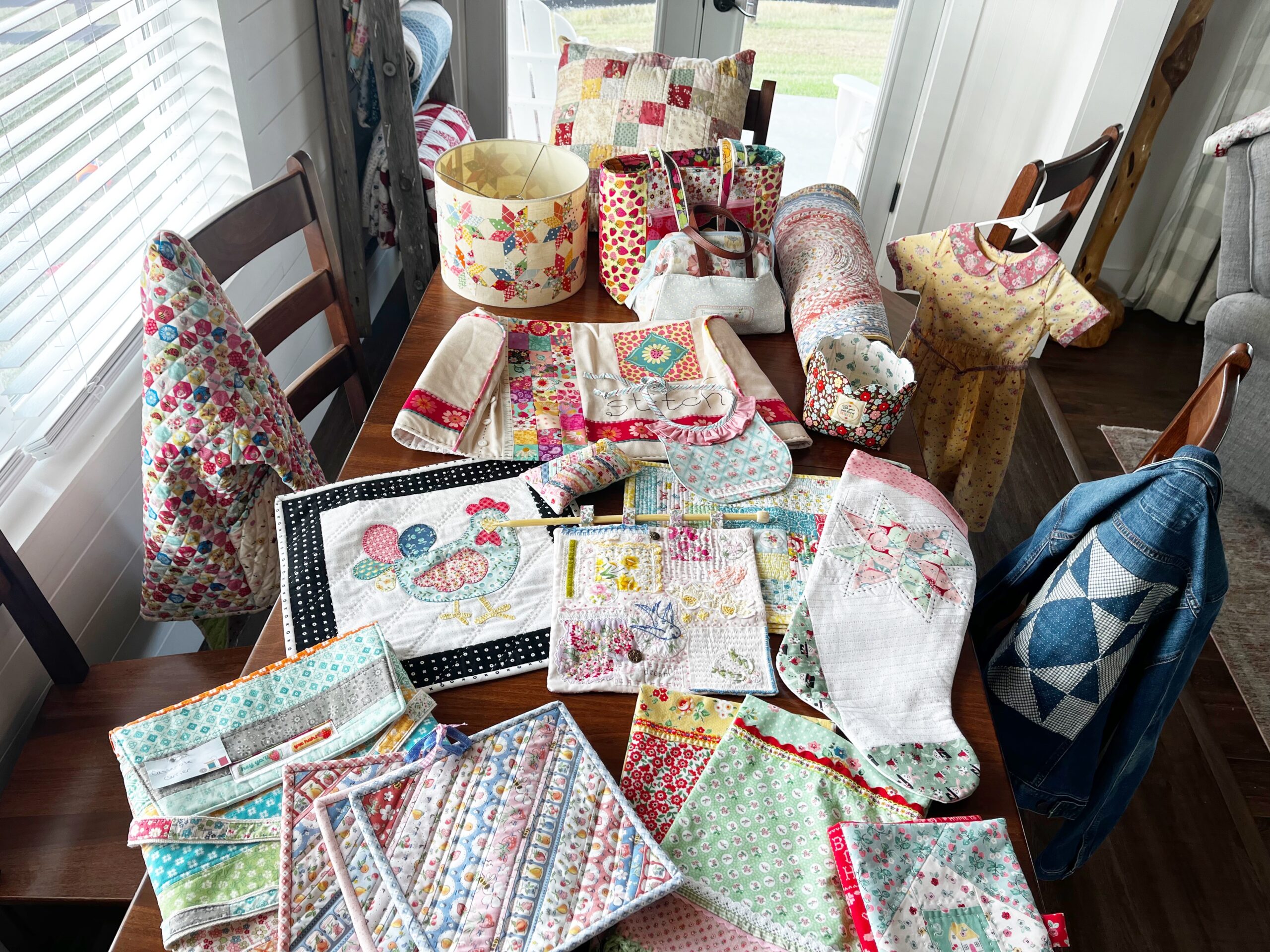
I am writing this blog post after I’ve taken 25 hand sewn items and entered them in our local County Fair. Second guessing my abilities, my creativity, and working to shush that voice that says “are you really a Maker”?
There is a certain vulnerability that comes with walking into a fair and seeing your creation sitting among someone else’s beautiful work. For a moment, that little voice can start comparing. But today I decided that entering isn’t about proving that I’m the best. It’s about being brave enough to put something I made out into the world and to be proud of that.
Continue reading




Hi Dori-this summer I wanted to put out a flower cart on my front lawn with free bouquets because I have beautiful zinnias and other flowers and just wanted to share and I was so afraid no one would take any! Well, I did it anyway and it went very well! I also entered a few things in the fair, a quilt (I’m very new at quilting) and some flowers and hand made cards. I’m like you, afraid to put myself out there but all my things got some kind of ribbon and even if they didn’t I had fun entering my things. It’s all good! The first time I showed an expert quilter one of my beginner projects she said “a perfect quilt is an unfinished quilt”. I like that! Have a great day! From a country turned city Farmgirl!
Hi Marge,
I could not love this more!!!! (Did you know the my daughter and I have a flower stand?? So I’m FULL of excitement for you putting flowers out to share!).
And also excited you entered things in the fair. It takes a ton of courage to enter a quilt for sure (at least for me it does). I know this from experience!!! GOOD FOR YOU!!!!
I love it when expert quilters are encouragers. It is so nice when they can do that. And yes to what she said about an unfinished quilt. I am a finisher by nature but I have realized three words I tell myself A LOT – “it’s good enough”. And it’s not because I don’t strive to do a good job, it’s because I have discovered that I put my heart into things and at some point I am just content that it’s finished!!!
Big hugs to you!
~ Dori ~
Your creations are beautiful, Dori! Put them all out there for sale at an appropriate cost!
🙂
Donna!
Thank you so much!!!! You have helped me!
Hugs,
~ Dori ~
Your work is beautiful and yes, you are a maker! A creative maker. It’s always fun to read your blog to see what you have been doing. My sister has had to quit her job because of a health issue. She dug out her sewing machine and started sewing. She questioned the worth of them, but soon realized others simply enjoyed the fact that she made the items-with love of course. It has given her confidence and happiness. Are the things all perfect? Not always, but she is a self made maker and I love to see her making! I hope you keep creating and making-if not always for others-at least for yourself.
Dear Ginger,
I love so much what you wrote about your sister. It really warmed my heart. And I admire her greatly!!!! Courage is such a huge part of being a Maker and WOW!!! She is so brave.
Thank you so much for sharing with me.
Hugs,
~ Dori ~
That was so encouraging. Keep up the good work, and I will attempt to do the same.
Thank you so much Bette!!!
And YES!!!!! We will encourage each other!
Hugs,
~ Dori ~
Hurrah for you in recognizing the thoughts you just shared. Your needle work is outstanding and I am so glad you share it in your blog. I look forward to your every post.
Jerre
Thank you Jerre!!!
I appreciate your kind words and that you read my posts and comment!!! It means a lot!
Hugs,
~ Dori ~
Yes! Please keep creating! I love your creations, and I love even more that you bring us along on your journey. We all have imposter syndrome, some to different degrees than others. It’s a good thing to have when you think about what the opposite of it is, but we do need to push through it sometimes. I’m so grateful for your courage. You have inspired me from the first day that our paths crossed, exactly for the reason that we are all just ordinary farm girls doing extraordinary things! 🩷
Thank you Cindi!
I definitely, so often, want to bring all my friends along with me in my journey and I’m always so thankful for those of you that do come along, read, comment and care! We are in this farm girl journey together!
And also thank you for commenting and your kind words.
Hugs,
~ Dori ~
Dori,
You are so gifted and talented in what I see today and have seen you create in the past. I envy you your ability to think of things to create, your patience, and also your organization skills that are displayed in your blog. No doubt in my mind that you are a true “maker”, just wish I had a bit of your enthusiasm!!
Sheila!
Thank you so much… one thing in your comment I will highly agree with is my organization!!! Haha! And sometimes that is why things don’t get sewn… because I cannot create in chaos! My sewing studio has to be completely organized. A good thing… and a bad thing! Ha!!!
Thank you for your kind words….
Hugs,
~ Dori ~
Thanks for sharing your vulnerability with us. Those much less experienced than you constantly feel that way. But…we sure get pleasure from a finished project, flaws and all. Remember Dori that so many of us LOVE your projects, adore your creativity and are so thankful for the monthly inspiration you give us!
SO, keep on creating and let that little voice fade away.
Pamela!!!
Thank you for such a sweet comment! Sometimes even just writing things out helps doesn’t it?
Today I’m gathering fabric together to sew my 15 year old grand-girl a new cosmetic boxy pouch… sewing again! :-).
Hugs,
~ Dori ~
Dori, you put in words that I have felt for many years. I learned sewing from my mom and 4-H and always doubted my work if anyone looked at it closely –and I’m in my 70’s! So it doesn’t matter at any age, just doing it is the best advice. Thank you!
Wow. Thank you for sharing. I needed to hear this. My imposter syndrome isn’t in the crafting realm. I’m a singer/songwriter and it’s terrifying sharing my music with other people. So why do I do it? Because I LOVE IT!!!!! I spent years learning my craft and love sharing music with others. I pour my heart and soul into it. I actually burst into tears when I read the part about imposter syndrome usually affecting high achievers that DO have many abilities. I needed to hear that too! We all have talents and gifts that need to be shared with the world. And our creations SHOULD be different from everyone else’s. Because each one of us is unique. Not everyone will like what we have to offer, but that’s ok. There are plenty of people out there who will be blessed by what we share with the world. Keep creating!!! 🙂
Wow, wow, wow! You are definitely a maker of beautiful things! I love the quilt patterns most of all, since I have made some small things myself and know how much time and effort go into each and every one! I wish we lived closer so I could take some lessons from you. I am just learning and you put so much of yourself in your items. Keep doing what you’re doing and never doubt yourself or your worth. You are a star, just like your star quilt pattern.