It’s officially spring in my neck of the woods, but the temperatures lately have not been consistently warm and spring-like just yet. Spring in New England can be cold, hot, wet, dry… all in the same week. When you love to be outdoors, and are a gardener, the spring season can be a bit frustrating. Yet, when you do start seeing signs of life and color – it’s like looking at nature’s crayon box! There is beauty all over!
Native spicebush is one of the first things we see bloom. I love the bark – it reminds me of a pretzel with salt. Having native plants helps our native beneficial insects. Beautiful spicebush swallowtail butterflies feed on this plant and sassafras.
I do love having four seasons, but when one season drags on…and on…and on…I don’t like it. I am a person who doesn’t necessarily like change, except when it comes to seasons and weather. Spring is not really my favorite season. There’s so much to do, to clean up, to plant, to get done… indoors and out, at home and work. Things can start moving so fast. It’s like everyone is making up for the long winter rest and repose.
Next to bloom in the garden are the bleeding hearts.
LOVE
It’s that time of activity and bustle that makes me also, at the same time, love spring – when I see the colors come alive after the white and grey of winter. I have never understood rooms, homes, or clothing that has an absence of color – the trend of only black and greys. Do you remember being a kid and opening a big box of new crayons? I loved seeing all those colors just waiting! Nature is that way in spring; it doesn’t disappoint! You just have to take a moment to notice.
Beautiful climbing clematis adds a pop of pink.
Japanese Flowering crabapple on my favorite walking trail looked more like a pompom than a tree.
I love seeing everything come alive! First, we notice the flowers and blooms everywhere – some are just breathtaking!
The early blooms of this plum tree are delicate-looking and the color is beautiful!
One of my favorite blooms in my garden are the alium bulbs I planted several autumns ago.
Weeds? Maybe so, but I think wild violets are still beautiful.
Among those blooms and green leaves, the smallest little creatures make their presence known in a colorful way! Most people don’t like insects, thinking only of pests like mosquitos. However, insects outnumber every other living thing on the earth, and keep our ecosystem in balance. We need insects, especially our beneficials, which is why we do not want to spray everything at the first sight of an insect. Most bugs and insects are just “passing through” our yards, anyway.
This green, six-spotted Tiger beetle is considered a beneficial insect, eating pests. I think it is so beautiful, especially when its metallic shell has such a sheen in the sun!
A plump little yellow and black, fuzzy bumblebee gathers pollen from blooming lungwort.
Next, we hear more and more birds singing, a change from the complete silence that is present in the middle of winter. We also see and hear many different varieties of birds, as migratory birds return.
Sadly, I read recently that North America has lost one in four birds, or the equivalent of nearly three billion fewer birds.
Planting plants that are native to your area, not using pesticides, and keeping bird baths and feeders clean can help us not to lose more. Also, if you use any systemic-type tick and flea treatments on your dog, avoid combing your dog outside. Baby birds can get sick and die from the residue left on the fur if a mama bird finds it and uses it in her nesting material. Watching and listening to birds in my yard and at my favorite nature trails has always made me happy.
A beautiful red cardinal takes a rest.
While another one ponders what is in the grass. We see cardinals all year round, but they are more prominent and active during the spring nesting season.
A cat bird “mews” in another tree.
A beautiful woodpecker takes a quick rest on a knotty, old tree.
I love when the hummingbirds return! It was so wet, cold and dreary when I *thought* I saw the first little hummer return, the “scout”. It happened so fast, I thought it might have been a leaf blow by, or an insect. Sure enough, it was my little hummingbird, looking to see if I had put up the feeder yet.
Hello, my little friend! Welcome back!
This little baby takes a perch to rest a moment on the covered porch.
This hummingbird is catching a drink by my kitchen window.
A few days ago, I was sitting at the dining room table, working on a project. The dining room leads out to the “shabby chic porch”. I kept getting distracted by several hummingbirds that kept hovering at the window, like they were looking in. I was puzzled, as the hummingbird feeder is on the other side of the kitchen, and was filled.
Then I saw it. Last year, I had taken an old, dirty and greasy antique railroad lantern, purchased at a thrift shop for $2.00, and cleaned it up. Once cleaned, I hung it on my “shabby chic porch”. The hummingbirds, mistaking the red glass for another feeder, kept trying to get nectar from it, and when they could not, started buzzing me to fill it. I felt so guilty! Poor little birds. I decided to use it as table decor, instead, and my husband bought me a second hummingbird feeder for Mother’s Day as a replacement. Now when we sit on the porch, we can watch them feed there, as well!
I won’t hang my vintage lantern anymore since the hummingbirds mistake it for a feeder!
The “new” feeder on the porch proves to be just as popular.
It’s not just in my neck of the woods, that nature is waking up with color and life – my brother’s yard in Texas in the Houston area is full of color, too!
He has lately had a flock of beautiful, green parrots coming to visit his birdfeeder. The story behind them is similar to the story behind ones we see along the coast here. Someone in the 1960’s let a tropical flock of monk parrots loose in Houston, and the birds eventually evolved, and are able to thrive.
My brother in Texas gets a variety of birds, but it is a special treat when they see the parrots at the feeders.
My brother also has a sweet nest of baby mockingbirds in his yard. Their grey feathers are so fuzzy against their pink skin and bright yellow beaks. So precious!
Not every bird we see is bright – some are more stealthy. Do you see it? I took this photo on a walk through my neighborhood. It landed just across from us, but the camouflage was amazing – it took my daughter a few minutes to see it, despite its massive size.
If you can’t tell, it is a very well-camouflaged red-tailed hawk in the tree.
Newly sprouted leaves cast shadows against a spring night sky.
Every day, we notice something new that has bloomed, fresh and green, until all of a sudden, “POP” – spring is here full force.
New leaves, not quite completely bloomed contrast their yellowish green against a bright, blue spring sky.
And suddenly – POP! A full canopy of maple leaves provides shade.
Spring is really Earth’s gift to us.
Tell me, what is spring like in your area? What birds do you have visiting? Leave me a comment, or just say hi!
Hooray! It is finally spring! The winter thaw is done, and the weather has surely but slowly continued to warm up! Before the “big spring cleanup” that happens after winter but before summer, it’s been a great time to visit some local attractions. From high tea to baby animals, signs of spring are arriving in New England!
The month of March started with snow and ice covering everything. On a day when it was finally a temperature where we could get outside a bit, we went for a walk on our favorite trail. The snow had melted a bit, but we still had a long way to go!
I know the world news everyday is hard to watch, but there’s heartwarming news, too. Have you heard of Punch, the little Japanese macaque monkey that caught the attention of animal lovers around the world, the last few months? Born in the Ichikawa Zoo in Japan, his mother abandoned him at birth. Zookeepers gave him a surrogate mom – an orange orangutan stuffie from Ikea. Punch captured the internet’s collective hearts as he clung to that stuffie for love, peace, and comfort. Little Punch carried that stuffie everywhere in the zoo enclosure, running to it when he was bullied by the other monkeys, sweetly sharing his food, cleaning its face, or sleeping on it. At the peak of his “fame”, I honestly could not feel my day was complete without a “Punch Report”. Millions of visitors flocked to the zoo in Japan, just to see the little “underdog” monkey and his stuffed lovey. If you haven’t heard the latest, little Punch is thriving! We love you, Punch!
I follow our local zoo, The Connecticut Beardsley Zoo in Bridgeport, on Facebook. I was thrilled to see that they also had a new baby monkey! Born on December 18, 2025, the sweet baby Spider monkey needed a name, and the Beardsleyzoo asked the public to vote. I was so excited that the name I voted for, Mirabel (which means “wonderful”), got the most votes! I could not wait to see the new little one!
We made plans to go on a Sunday that was chilly but not impossibly cold. Visiting local attractions during “off peak” seasons is a good way to support them, and a crisp, overcast day meant that there weren’t a lot of crowds, and the animals were much more active than on a super-hot summer day!
This American Condor showed off his huge wing span to us!
This sign is special to our family, as Julia Wasserman lived not too far from us, and we bought a fresh Christmas tree from her tree farm every year until her death. She was such a nice lady.
So maybe not ALL the animals were active on the chilly, overcast day! This maned wolf was snoring so loudly we could hear it through the glass! Sweet baby!
When we first saw Mirabel, I wanted to cry! Such a sweet baby, clinging to her mama, tails entwined. We watched for the longest time. My visit to the zoo was complete!
We saw so many wonderful exhibits, saving the best for last! Janet, Mirabel’s mother, came out of the door at the spider monkey exhibit, with her sweet little baby on her back. We stood in awe, watching them for a full thirty minutes! All babies are sweet, but there’s something extra-special about this fuzzy little one! Oh my heart!
By the end of March, the snow had gone completely, but while we have had a few days where the high actually got to the 80’s, this April we are still getting lows as far down as 28 degrees! For my chilly birthday weekend, our family headed to The Maritime Aquarium at Norwalk, something we have not done in ages!
That visit was fun, too, with so many exhibits of fish and other marine life, as well as a few mammals, too.
The shark exhibit is AMAZING!
It felt like this fish was judging us…
…while this one looks like it spent all night gaming on a computer.
This sweet girl captured our hearts. She came to the aquarium as a pup with a terrible eye injury, so she could not be released back into the wild. At 23 years old, she has surpassed her life expectancy, but is healthy and happy – a testimonial to the wonderful care at the Norwalk Aquarium.
The jellyfish room is mesmerizing! We also got to touch a jellyfish at one exhibit, and feed a stingray!
Where else can you spot an endangered spotted turtle?
Or laugh at a meerkat?
This sloth perfectly captures how WE felt all winter!
My daughter also surprised me by taking me to “high tea” at a tea room for my birthday. The woman-owned, beautiful Posh tea room opened in Monroe, CT about a year ago. I have been dying to go! It was worth the wait, and the spring menu was delicious! I really felt like Queen for the Day, and the table setting and menu made it feel as though spring was truly “official”!
While we are still a bit behind in warmth, the birds are back, my seeds are started indoors for summer planting, and evening isn’t as quiet anymore, when the warm breeze blows on a clear night, and we hear the peepers and insects waking up from a long winter’s nap.
A family of house finch have a nest outside my window.
I took this photo while taking my dogs out before bed on a rare clear cloudless night. The spring air was cool and clear with insects trilling.
This spring, along with the usual tomatoes and peppers, we are trying garbanzos in the garden!
It’s that weird, ‘in-between” season, where my laundry basket has both shorts and sweaters. We can only go up from here, weatherwise. Spring chores are on queue, but after such a long winter, it’s a welcome change!
My best lil’ buddy says, “I’ll help with the spring chores, Mommy!”
Happy Spring, Farmgirl Readers! Remember to leave me a comment so that I know you dropped by!
March Greetings, Farmgirl Readers! Though we are almost halfway through the month, here in New England, the first quarter of 2026 has had the longest, harshest winter in decades! 2026 also marks a very important anniversary milestone for our country, so what better time to take an indoor class on Colonial sewing?
We’ve had more snow, more ice, and more extremely cold temperatures than I can remember in the last 30 years that I have lived in New England. When not going to work or school, everyone just seems to be “hunkering down” until winter passes.
Winter fatigue is setting in! Even the wildlife is thinking “When is this winter weather going away?”
While I enjoy winter, the last few weeks, I have been feeling like a hibernating bear! It’s the perfect time to have something to look forward to and learn something new. That’s one reason I was so excited when I saw my hometown’s Historical Society offer a three-part, hands-on workshop on how to make 18th century garments, in honor of our country’s 250th anniversary. All year long, I teach knitting and gardening classes, so taking a class as a participant is very exciting. I also love learning about history, especially American history. I could not wait!
The workshop is led by Melissa Houston, Director of Education at the Greenwich Historical Society, (and historical sewing instructor) who was once a high school classroom history teacher and also previously served on the Board of the Newtown Historical Society. Her historical knowledge and expertise is really amazing! While she has done reenacting, Melissa is a costume interpreter. Melissa explained the difference between a historical reenactor and a costume interpreter: “A reenactor perfectly portrays a moment in time, while a costume interpreter uses clothing as a teaching tool.” Melissa’s attention to detail and skill at being historically accurate with her clothing is incredible, so when she walked in the door, it was like seeing history come to life!
At the first installment, we learned that we would be making a colonial-style apron, petticoat, and bed gown, all sewn by hand. I sew quite a bit with my sewing machines. I also do embroidery, repair toys, dolls and clothing all by hand, but I have never constructed an entire, large garment with only hand sewing. I am not going to be a docent or do reenacting, but I do love history and am so grateful to have this experience, especially this year, with our country’s 250th birthday!
As Melissa teaches us about the fashions of the time and fabrics, Abby from the Newtown Historical Society models the three pieces participants will learn to make.
We learned what different fabrics would have been used for clothing during around the year 1776. I was surprised by much of what we learned, such as how many layers women wore at one time, thinking that I would have burned up under all of the clothing! However, fabrics were all made of natural fibers, so everything worn back in Colonial America was breathable.
Fabrics such as cotton, wool and silk were used. Linen was also popular in the 18th century, in part because it was strong, standing up to tough laundering practices, such as boiling. Stripes, checks and vining prints could be seen on fabrics, but stripes would be symmetrical and on both sides, like ticking. Nothing was made on a machine, like the mass produced fabrics we have now, but instead was woven or stamped. Shell-type prints were found in the late 1770s, while dots would have been found around 1794.
Melissa gave us all samples of different types of fabrics so we could practice our stitches by making a “needle book”, with silk ribbon ties. My friend Charlene and I finished ours together over coffee one cold afternoon, and they both came out so cute (and useful)!
Aprons were long, tying around the waist. Women wore them to do tasks such as gardening. To start, we measured the fabric from our belly button to our ankle bone for length. I was so surprised that they did not go to the floor. It’s a common misconception that women did not show their ankles in Colonial times! In fact, skirt lengths were made so that women could go upstairs without “touching” the skirt to pull it up and avoid tripping.
Starting my apron. The fabric I chose is vintage, purchased from a local fabric store that carries vintage as well as new fabrics!
I am working on my apron now. We first made a long, running stitch and gathered the fabric. Next, long ties are hand sewn to the fabric at the top using the overcast stitch. I can’t wait to show you all when my pieces are all completed! Stay tuned!
I am happily sewing on my apron, attaching the ties. I’m currently finishing it at home.
Next, we will be making our petticoats and finally, our bedjackets. Colonial petticoats are not like the puffy, crinoline-type of the 1950’s that first come to my mind when I think “petticoat”, but rather more like two aprons, four inches longer and sewn together.
Melissa shows us the construction of the petticoat, with pleats on both sides, on the outside in front, and on the inside in back.
Petticoats were pleated, not gathered, with a box pleat in the middle. Petticoats tied with two ties, with eight inch openings on each side, so women could access their “pockets”, which were essentially little “bags” tied to the sides. Petticoats would have been made from heavier fabrics such as heavy cotton or wool. Melissa told us, “In the 1700’s the shape of the clothing did not show if you were rich or poor, it was the fabric.” You would not mix informal and formal clothing – no homespun fabric worn with fancy cotton, and fabric would match, such as wool with wool. The amount of clothing someone had was based on wealth; the average woman had five to thirteen gowns. Older women would layer their scarves to show their wealth.
Sunscreen and bug spray did not exist, so skin would be totally covered. Chores during the colonial times were dictated by the weather, so sewing was done during the winter, but it was mostly small items that were made at home. For bedgowns, petticoats and aprons, you did not need stays, but if you wore a gown, you needed stays. “Stays” do not hurt like a corset. Tailors made the stays, seamstresses sewed gowns. A “shift” was a long-sleeved linen dress that could go under everything – closed with “sleeve buttons”. There was no elastic in those days!
An example of colonial “sleeve buttons” that would have been used on the sleeves of a linen shift.
There were also no buttons on the front of the women’ s clothing; instead women closed their garments with pins. This also helped to adjust the size of the clothing during and after pregnancy.
An example of the pins that would have been used to close their clothing in front, similar to a modern “straight pin”, with a head at one end.
If something no longer fit, you would sell the finished piece to buy more fabric (or hand it down). There was an enormous used clothing market in 1776!
Can you just imagine New England women in the 18th century, sitting by a crackling fire on a snowy, cold day, using their beeswax, needle and thread, hand sewing a pretty apron to wear for spring gardening! I am so inspired by and really looking forward to attending the third installment of classes!
If this sparks your interest, Melissa recommends this book for further reading.
What do you think – would you have enjoyed wearing the fashion of 1776 as a colonist? Leave me a comment below, and let me know that you stopped by!
*A special thanks to Melissa Houston, Director of Education, Greenwich Historical Society and to the Newtown Historical Society! Remember to check out your local Historical Society for great events, museums and historical preservation!
Happy February, dear farmgirl readers! It’s been quite a month, weather-wise, since our last visit! The whole nation has had some very c-c-cold weather, and we are no exception here in New England! Still, we are going with the flow, and doing what we can to enjoy the season. We may have cold weather, but we have warm hearts!
It really takes quite a lot to close up roads and businesses in the New England area. We are a hearty stock who know how to handle the snowy, icy winters (even those of us who are not originally from Connecticut)! One good thing is that we are usually not “surprised” – we generally have ample warning before a storm arrives.
Some of us love the snow, others think it is “for the birds”.
A few weeks ago, we got a nice snowfall. This was perfect snow – not too wet or heavy, but not so powdery that you could not form a snowball. It wasn’t frighteningly cold outside, either. My zany family and I decided to not only clear the snow, but to actually “play” in it. My adult daughter and I built a snowman – the first in over a decade! We found sticks for arms, buttons for eyes, and a fresh carrot for a nose, and added a knitted scarf, hat, and heart. She turned out so cute!
Meet “Frostette”!
Afterward, my husband, daughter and I had an old-fashioned snowball fight! There we were, three adults running around in the snow like little kids – and having a blast!
We have three dogs – the two big ones don’t really mind the snow. The little one – not so much. We bundle him up like a toddler before taking him out. (We tried booties, but he would have NO part of that)! Our big pup, Scarlett, LOVES it. At ten years old, she is still spry and puppy-like, and especially loves playing in the snow.
The look on his face says it all.
No more than a week later, a much BIGGER storm hit us, with Mother Nature also bringing extremely cold temps, snow and ice across the entire nation. Luckily, the big snow day fell on my husband’s day off.
The snow fell fast and heavy. Drifts like this were left on our deck, and because we are in a valley, we had drifts of up to 40” (though the official count was under 2 ft).
This was a big blizzard! Not only was the temperature super-cold, with blustery, blinding snow falling, but we also had frosty wind chills and night temperatures dipping well below zero, that stayed that way throughout the week. We had plenty of food and snacks for the storm, and the house was cozy, but we worried as my husband went out to clear the driveway and decks. With snow falling at four inches per hour, clearing must be done as the snow falls or it will get too heavy and thick to take care of! A small town community is awesome – a friend of my husband’s brined our driveway before the storm, helping to keep dangerous ice from forming under the snow. We were also thankful that we never lost power, except for a few moments, and then it quickly came back on.
Lotsa snow. Our car is under there somewhere behind Gidget the Glamper, who wears a thick white coat of snow.
The wind blew, the snow was blinding and thick, and the temperatures were like the arctic! A ton of snow has been left, and so far, not melting because we just have not had temperatures above freezing or for long enough to melt. I am confident that we WILL be thawed out before July 4th! (Just kidding. We should thaw out sooner. We only need a few days of warm sun. So far, that is not happening).
Back roads can be a bit tricky the first day after a snowfall, but after that, just fine.
It IS hard to not be able to get outside for walks because temps are just too cold, or to see wildlife having a tough time finding food with such a long, deep snowcover.
Cold birds and squirrels try to grab feed during the first part of the storm.
One day, I felt eyes watching…”Pardon me, do you have any extra food? Also, the bird feeder is empty.”
The deer have eaten all the evergreens, even ones they typically do not. The snow is deep for them to walk through.
We see so many different kinds of animal tracks throughout the unmelted snow.
Still the winter skies are like cotton candy, and the snow at night against the light of the stars is at once beautiful and peaceful.
Did you know, night snow sparkles?!
Speaking of sparkles, my daughter surprised me an early Valentine’s Day gift – a beautiful porcelain-coated cast iron heart-shaped dutch oven she found at Homegoods. It’s pink and SPARKLY! I love to cook, especially this time of year, and at a four-quart size, this dutch oven is perfect for soups or sauces for the three of us!
I love pink – and sparkles!
After the jolly holidays, we keep the charm with some Valentine’s Day decorations. I have a few vintage post cards, pretty festive dishtowels, and vintage knick knacks that keep things festive during the month of February. My husband loves that I put out seasonal decor, especially in the winter when the days outside can be bleak.
My husband found these Valentine’s picks on Amazon for me. At $10 for a large bundle, I could brighten up an old jug, and add a few to my kitchen table, too.
The hoosier is gussied up for the Valentine’s Day season.
Supposedly, more snow is on the way, and we must remember it is still winter. The sun is shining today, and everyone has continued to get out and about, business as usual, despite the frosty weather. It’s what New Englanders do. The days are lighter for longer, and in a month or so, we will be thinking of spring. Until then, we will stay cozy!
I hope you are staying warm and cozy, too! Leave me a comment so I know that you stopped by!
In the coastal area of New England lies a wonderful little village – one full of imagination and whimsy! Open to the public from the end of September to the end of October, it’s truly a magical place…you never know what you will see at the Wee Faerie Village!
New England is so picturesque, and Connecticut is no exception. There are also fabulous museums scattered about the state. One you do not want to miss is the Florence Griswold Museum, in Old Lyme! A wonderful place to visit anytime of year, in the autumn the Wee Faerie Village outdoor exhibit is enchanting! Last October, I visited for the first time with a group of friends from my doll club.
It was a perfect, beautiful day. We had more fun following the trail of little homes and other tiny, miniature structures that make up the outdoor exhibit. Each fall, there is a different theme. Last year’s theme was “Yesterville – A Wee Old Tiny Town.”
All aboard! The Wee Faerie train is leaving the station!
The idea behind the Wee Faerie House outdoor exhibit came in 2004. Director of Education, David D. J. Rau (who is now Curator of Visitor Engagement), was asked to create a program to bridge the gap between the busy summer months and the museum’s big holiday exhibit, utilizing the beautiful fall leaves. He wanted something outdoors that would bring families. The first year, they started with fairy houses created by a handful of designers and artists. In three weeks, 10,000 visitors attended! Now, the “process is refined”, and visitation is growing each year, with families, couples, groups, and all ages delighting in visiting the exhibit each year. Since 2009, the Wee Faerie Village has had over 190,000 visitors!
Each ”Wee Faerie“ structure is made by a different artist, individual, or group. Some designers have been with them since the beginning. Designers must have been invited to the design team, submitting an application and a sample of their work through the museum’s website.
The detail on each part of the exhibit was amazing, but this one was my favorite of the two dozen on display.
“Beetlegrass! Beetlegrass! Beetlegrass!”
Located in Old Lyme, Connecticut the “FloGris” museum was once the home of Florence Griswold, born on Christmas Day in 1850. “Miss Florence” was the daughter of a wealthy sea captain and his wife. At one point in the late 1870’s, Florence and her sisters served as teachers, along with their mother, when the family home housed a girls’ finishing school. However, at around age fifty, Florence found herself with a changed fortune, and alone. At this time, she then turned her home into a boarding house. Artists started coming to the home, “and that was lucky”, says Tammi Flynn, Director of Communications & Brand Strategy. “Artists found great landscapes and beautiful gardens”.
From 1900 to the 1930’s, many great impressionist painters came to the estate, and the “Old Lyme Art Colony” was formed, made up of great artists such as Matilda Browne. Artists who stayed at the home were also encouraged to paint a panel on a wall, door, or fireplace mantel. Miss Florence made deep friendships with the artists who graced her home as boarders, and having them also helped her maintain her family home for the remainder of her life.
When Miss Florence passed, the artists wanted people to see the painted panels, so through the Florence Griswold Association, the home was first open to the public on weekends. The home officially became a museum in the 1960’s, now also a National Historic Landmark and the “crown jewel” of the FloGris Museum. At the time of her death, Miss Florence had lost much of the land – fortunately, through the years, the twelve acres of land was bought back.
My friends and I loved seeing each structure on our visit, marveling at the exquisite detail and creativity. Each one was unique! We also ate a lovely, delicious lunch at the museum’s cafe, featuring outdoor patio seating and open May to November.
This year’s village theme, on display until November 2nd, is “Gardeners’ Grove, A Growing Community”. It sounds intriguing (and definitely peaks my gardener/farmgirl interest)! I’m sure the exhibit this year is just as full of surprises and wonderful whimsy! It’s a wonderful destination.
Photo courtesy of the Florence Griswold museum
Photo courtesy of the Florence Griswold museum
Wee Faerie Village is just one special exhibit during the year; another must-see exhibit happens at the holidays, when fantasy trees decorate the museum, with over 200 artist pallets that are only put out at the holidays, gracing trees like ornaments.
Photo courtesy of the Florence Griswold Museum.
I hope you enjoyed our trip! No matter the time of year, the Florence Griswold museum is a must-vist!
Remember to leave me a comment below so I know that you dropped by!
Posted on September 18, 2025 by Suburban Farmgirl Nicole Christensen
It’s been a truly beautiful summer – none of the flooding we had last year, with lots of sun and humidity that was not too awful. Fall is off to a good start, as well. We have mornings and evenings with warm afternoons and sun, pumpkins gracing porches, and leaves are starting to change. The Autumn season is one of the most beautiful times of the year here on the east coast, especially in Connecticut! But there is something else that has everyone I know all abuzz!
Gardening has always been in my blood, from when I was a child and spent hours next to my Daddy, planting trees, vegetables and flowers, and inspired by my mama’s seasonal plants in pots. As an adult, I became a certified Master Gardener through the University of Connecticut extension in 2015, and then an Advanced Master Gardener in 2017. Since then, I speak to schools, Garden Clubs and other organizations on many different subjects of gardening.
Since 2016, my “pet project” has been insects – identifying, labeling, and pinning, under glass, insects that are found in our area, for the extension office. These are used to help identify pests on plants that residents bring in, or for education purposes. While I am not an entomologist, I am so proud of my years of volunteer work on the insect boxes, and have learned so much in the process!
I love speaking to Garden clubs. I meet so many nice people, who all love gardening. This year, however, most of the questions I have been asked lately are about a dreaded pest, the Spotted Lanternfly, Lycorma deliculata, that has been making its way across the United States. If you have not seen them in your area, that’s a good thing, but everyone should be aware, as these invasive insects are quickly being found in more areas than ever. Even as I write this, my plans today have changed due to these insects. My daughter and I were planning on a “last bit of summer beach trip” today, heading to our favorite beach for an hour or two. We decided last minute not to go, due to a post on a local Facebook group on how all the Connecticut beaches right now are literally covered in Spotted lanternflies, divebombing and flying all over beachgoers. That sounds more like a horror movie to me, than a relaxing beach day.
The first time I saw one “live” was a few years back, on the outside of a Costco near the Connecticut coast.
Originally from Asia, the Spotted Lanternfly was first spotted (pardon the pun) in the USA in Pennsylvania in 2014. While I personally saw and reported my first sighting along the coast two years ago, this year was my first summer seeing them in my hometown. Last fall, on a day trip to the Poconos in Pennsylvania to visit my friend, Robin, we were shocked and disgusted as we walked the sidewalk, as they were so numerous on the ground. We smashed as many as we could, and made sure to wash and inspect our vehicle before returning home to help stop the spread.
Spotted Lanternfly is a large planthopper insect with four life stages. Full grown, it is colorful, even pretty…with dark grey spotted wings that when opened have showy crimson red and white underneath. Behind their beauty is an ugly truth. They are invasive, with the ability to wreak havoc on all sorts of trees and crops across the country. Think of them as a giant aphid. FORTY SEVEN forest trees are in danger from these bugs. SEVENTY species of plants are fed on by these creatures.They destroy grape vines (vineyards could be in peril, for example), stone fruits, ornamental plantings, and can decimate vegetable crops. To add insult to injury, they also leave sticky honeydew fungus behind.
While they are not a threat to humans or animals (they can’t bite or sting), the impact these pests can have is bad. While I don’t want to be the “Grim Reaper of Gardening”, we ALL need to be aware of these pests.
This nymph was a first for me – found in July.
They are great climbers at all stages, including the early nymph stage, found in the spring and early summer, where they resemble a spotty weevil. At the nymph stage, they are black with white spots, eventually later turning red with white spots and black stripes, and then finally becoming the adult winged insect that many people think resembles a moth.
The plant, Tree of Heaven (which was once a very popular landscaping plant, but is now on the invasive list), is their host plant of choice. When I was the guest speaker at a garden club recently, there was a Tree of Heaven, right outside the back door of the meeting place, covered in Spotted Lanternflies.
While the Tree of Heaven is the preferred host plant of choice for these little devils, they do not NEED one to reproduce or lay their eggs, which are laid in masses. Spotted Lanternflies can lay their eggs on just about any hard surface, including trees, large rocks, the sides of buildings, or other hard objects. Removing this invasive tree helps stop the spread. (Difficult for many gardeners to hear, I know, as it is beautiful in the fall when the leaves are scarlet red).
What can you do if YOU see them? With voracious appetites and compound eyes that see well and behind, they don’t fly well but can hop far and fast. They can evade swatting like when a human swats a housefly. Squash, squash, squash, crush, or scrape the buggers into hand sanitizer (it kills them). Destroy reachable egg masses (many are going to be too high up to safely get) by using a hard scraper like an old credit card or a paint scraper, scraping into Ziploc bags of alcohol or hand sanitizer and destroying.
Inspect garden tables and chairs, barbeque pits and other hard objects before storing for the winter, to make sure they are free of any egg masses, which also have several stages and can look differently depending on the “age” of the mass. Scrape off any egg masses you find. Unfortunately, using a hose or powerwasher will not do the trick.
Don’t panic – DO NOT SPRAY everything with insecticides at first sight. Many times, home gardeners overspray insecticides, which kills off the “good” insects, our beneficials, and can create greater numbers of the insects we don’t want. Nature does tend to take care of itself, and migratory birds such as robins have been seen eating them. Beneficial insects such as spiders, the praying mantis, and yellow jackets also feed on them. My daughter and I recently witnessed a yellow jacket devour a live spotted lanternfly in the driveway when we went on a walk.
This yellowjacket attacked this spotted lanternfly right in front of us on a walk.
Twenty minutes later, only the wings were left. Way to go, yellowjacket!
Unfortunately, there is no “one size fits all” means of removal of Spotted Lanternflies recommended at this time. If you do have an extreme infestation, insecticidal soap is an option. Neem oil has also been listed to work on the insects (not the eggs), but follow the directions, don’t overuse it, and spray it in the early morning or late evening, when beneficials are not as active. (Neem is also anti-fungal). Also, avoid “homemade” concoctions. While as a farmgirl, I am all for homemade in almost everything, when it comes to gardening and using any type of spray outside, I only advocate using store bought, and following the directions. You can actually harm the environment, kill your plants, or break the law by making homemade gardening concoctions. Many recipes for “insecticidal soap”, for example, use dish soap as a basis, which has degreasers which can kill your plants.
Check your local DEEP websites, your local Master Gardener extensions, and rely on websites ending in “.edu” for the most up to date and accurate information. For example, researchers at the Penn State extension recently debunked the popular myth that milkweed is toxic to the SLF. While aiding monarchs, milkweed has no effect on Spotted Lanternflies.
Noticing our outdoor surroundings and doing what we can is what we can do for now to stop the spread and reduce their numbers. Don’t let them spoil your fall, just keep your eyes open and be aware that this pest may be around.
Tell me, have YOU seen them in your area? What insects or weeds are YOUR biggest concern right now? Tell me about it, or just say hello by leaving me a comment below!
Hi Farmgirls! It’s hard to believe it is already August. Soon we will be thinking all things fall, but for now, I am still thinking summer! It’s been a super summer here!
Summer started out later than normal with cool temperatures all the way to late May. Mother Nature sure made up for it, with super hot temperatures and high humidity, to boot, but I love seeing all the sun, because we miss it during the grey winter months!
We are a “stay-cation” family. We don’t want to leave our fur-babies (or our chickens) for very long, and we love to come home after a day trip and sleep in our own beds! There’s so much to do on the East Coast, and just when we think we have “seen it all”, we find something else fun!
For my daughter’s birthday this summer, my family and I had a blast for the day in Stanhope, New Jersey at Wild West City, a family-owned theme park that first opened in 1957.
A wall of photos from the first year the park opened graces the “saloon”.
Only a few hours from where we live in Connecticut, arriving at Wild West City, you feel like you have stepped back in time. We drank sarsaparilla at the saloon, took a stagecoach ride, rode an old-fashioned train (which was “held up” by “Billy the Kid”), and walked through museum-type buildings filled to the brim with interesting artifacts.
I loved seeing all of the displays, especially the clothing from the 1800’s. I loved seeing period bride and groom outfits. The bride must have been so dainty!
There was so much to see and do at Wild West City. I especially loved the display of period clothing. Can you imagine the bride who wore this, way back when?
A corner of the “printing press”. In the buildings, you really learn about the history and how people lived during that period.
We liked going to the printing press and seeing how newspapers in the 1860’s were printed.
My favorite was the jail cell! Creepy-cool, it was made in 1890.
OOPS! My daughter in the cell with her “wanted” poster!
Family friendly, the theme park has something for everyone. We enjoyed seeing the “shows” in the town square, which occur often. We bought cowgirl hats, and ate old-fashioned snow-cones! I even bought a bubblegum cigar. My husband, daughter, and I had the BEST day!
Is Billy the Kid is about to get captured!?
Howdy!
It was such a beautiful day, and on the way home, we stopped at a farm stand for fresh veggies. New Jersey has such beautiful farms, no wonder it is called the “Garden State”.
New Jersey has some of the most beautiful farmland. A different planting zone than we are, they had veggies ready to harvest and a trip to this farmstand was farmgirl HEAVEN!
Back in Connecticut, we spent another lovely summer day together at our local Beardsley Zoo. We had not been in many years, and enjoyed it as much as we did as when our daughter was little. My favorite animal this visit was the giant anteater.
“That’s a whole lotta kitty!”
SPLOOT! I feel the same way when the heat PLUS humidity soars!
While the animals are fun to see, our little Connecticut zoo also has an amazing greenhouse and garden to visit!
The giant greenhouse at our zoo is one of my favorite attractions. This is the path leading from it to the outdoor garden.
At the Beardsley Zoo, in the greenhouse, there is an indoor pond. The fish follow visitors from one end to the other.
On another beautiful day, my husband and I drove to Kent, Connecticut, visiting Kent Falls, where the water falls 250 feet down to the Housatonic River. We climbed to the very top! It was so picturesque!
At the other end of the East Coast, we drove to Sturbridge, Massachusetts to visit the Old Sturbridge Village for the yearly event, “Recoats and Rebels”, featuring Revolutionary War reenactors. I have written about this “living museum” before, but we always enjoy this special weekend there. I still do not know how people wore all those layers of clothing back then. I would have died of heat exhaustion!
This young man had the brightest smile when I asked if I could photograph him, then quickly getting into character for the photo. It was so hot that day, I don’t know how they did it, but a good time was had by all!
This visit at OSV was extra special, because the museum also has the “Cows on Parade”, something we have not seen since the late 90’s. They are on display through September.
Summer would not be summer without sneaking away a time or two to our favorite Connecticut beach!
We also just love summer in New England at home. June, July, and August bring birds, butterflies, flowers and veggies in the garden.
A heart shaped hydrangea graces a nearby storefront.
The hummers are back. They buzz me when the sugar water is empty (the glass is red, not the contents)!
A stunning broad-winged hawk stops for a rest in my backyard.
I love ruby-colored carrots. My secret? Seed tape! Perfect rows and less thinning for carrots.
A trip to the garden for dinner…
Keeping a garden is a lot of work, but there’s something so satisfying about making dinner from food you have sown and grown yourself – a farmgirl’s happiness!
We work hard so we can play a bit, too. We also saw the new Superman movie and LOVED it! What’s not to love when there is a fluffy, fun super-canine in the movie? Movies are a great way to escape the heat when it gets too oppressive.
My dog, trying his best to do a “Krypto the Superdog” impression. You’re still my favorite Super-dog!
The rest of the summer will bring days of picking veggies, canning, and the start of all the wonderful state fairs across New York and Connecticut. August is so nice because the heat is still here, but the humidity tends to wane a bit. Fall will be here soon enough.
Tell me, what are you doing during the last hot, dog days of summer? What are your favorite local destinations? C’mon, let me know you stopped by in the comments below!
My family and I love day trips, especially in the summer. New England has no shortage of wonderful places to visit! Recently, we found a Connecticut town so full of charm, we can’t get enough of it! Grab a lemonade and come take a visit with me to Chester, Connecticut!
We have lived in Connecticut, in Sandy Hook, for over thirty years. My husband has traveled all over the state for his job, and we have gone on road trips here and there across the New England area since we moved here over three decades ago. We thought we had seen most everything in the state. When my daughter found a town we had not heard of before, we were intrigued!
An hour and ten minutes from where we live, Chester, Connecticut is a small coastal town, nestled along the Connecticut River, with a population under 4000 in the last census. The town is bursting with charm! The homes, the buildings such as the library, and the surrounding area are so quaint and charming, and it is a friendly town. Rich in history, the Main Street looks like it could be part of a movie or storybook, reminiscent of a small hamlet you might find in Europe, perhaps.
We were first recently drawn to Chester when my daughter saw an Instagram ad for a small local store there. We LOVE to read, and love many of the same books and genres, one being romance. There is THE most wonderful romance-only bookstore in Chester.
This bookstore, Montgomery and Taggert, is so charming, it looks like the store itself looks as if it is out of a novel! Walking through the parking lot to the entrance, you cross under a beautiful archway covered in vines, to the beautiful English-style garden full of flowers and herbs, where you almost expect to see Mr. Darcy!
My daughter and I stop in the arbor – covered in vines. It’s breathtaking.
Charm in every corner! I love a brick and mortar bookstore – the colors, the scent of new books…nothing is better!
There are cute gifts and unique items, like this plant stake. We laugh, because of all my houseplants, I baby this tiny flytrap so much!
Inside the store, there are all sorts of beautiful books and gifts. There are all types of romance-themed books, from Jane Austen and other classics, to modern-day “cozy” and “cottage core” romance novels, with plenty of beautiful “painted edge” books that I love so much!
Walk from the bookstore to the corner, and there is the bustling, quaint Main Street. Planters brimming with flowers, cobblestone in the sidewalks, amazing restaurants and stores with artisan wares make Chester a perfect destination.
Ask the shopkeepers in town for a good restaurant, and the answer is the same: all the restaurants in Chester are noteworthy and delicious! The first time we went to Chester, it was just my daughter and myself in early June. We walked around, and ate lunch outside on the patio of the Pattaconk 1850 pub. It was so delicious, we ate there again when we returned to Chester last week with my friend, Alison, and her daughter for a fun “girls day out”!
After our lunch, the four of us ended up walking all the way to the end of Main Street, to a local beautiful cemetery, open to the public. It was hauntingly beautiful and peaceful.
On both visits, we ended the day on my favorite note – ice cream! The BEST ice cream I have EVER had is found in Chester, at Honeycone Craft Ice Cream. Owned by a mother-daughter team, the ice cream is truly Heavenly. The vegan ice cream is to die for (Vegan Coconut Cream was delightful), but right now I am just over the moon for their dreamy Blackberry Basil ice cream (we bought pints to bring home it is so scrumptious)!
On Father’s Day, we even drove to Chester just for an ice cream at Honeycone, and brought home a delicious wood-fired pizza home for dinner from OTTO pizza.
After living over thirty years in Connecticut, Chester is on my list of favorite places to visit, and certainly worth checking out if you are in New England! There are art galleries, shops, and special events that occur downtown – “Chester’s First Fridays”, special Friday evenings where stores and galleries stay open late, with live music and other specials. A visit to Chester is refreshing! I am so glad we found such a tranquil, beautiful little village. Tell me, do YOU have a favorite town or area that you love to visit for the day? Share with me in the comments!
My Daddy. It is hard to believe that the man who seemed like he had nine lives is really gone. Anyone who has lost a parent knows that heartbreak. I am thinking of him so often this month, as I garden, set up my camper and do other “summer things” we always talked together about, with my first Father’s Day without him.
When I became the Suburban Farmgirl Blogger in 2010, I remember reading the previous Suburban Farmgirl, Paula Spencer’s post titled, “What A Dad I Had”. I remember thinking how hard for her that must have been to write, and thinking “How sad to lose a parent. I hope I never have the need to write a post like that.“ But, here I am. No matter how elderly or sick, I think in the back of our minds, there is that piece inside even adult children where we think our parents will always be here. When they leave us, no matter how prepared we are, it is a gut punch that you can’t explain unless you experience it. I lost my dad last fall.
Growing up, I was “Daddy’s Girl”. I was his sidekick on Saturday errands to the local hardware store, and I cherish those rare Saturdays where Mama was out for the day, and it was just Daddy and me. Daddy was an avid reader, and books were treated as treasures. I still remember the perfect Saturday, right before Christmas, with lunch out and a trip to the neighborhood “used” book store, where he introduced me to Nancy Drew. I still have that first worn book from the 1940’s.
Me, 1970 something, in front of my dad’s collected books. My daughter reminds me of my dad, as she collects books, too. The first gift he gave her, before she was even born, was a copy of his favorite childhood book, “The Little Engine That Could”.
I am a true-blue “Farmgirl” because of my dad. I learned so much from him. My love for the outdoors was inherited from my dad, who was passionate about it. Some of our last conversations last summer were about wildlife, and the bears that have been seen so frequently not only here in Connecticut but also now in Texas.
Though he was born in, and lived his entire life, in the big city of Houston, he loved nature more than anything. From the time I could walk, I remember taking walks with Dad, especially in the hill country, the property he owned for fifty years, Quail Run Ranch, that we always affectionately called “The Farm”. We spent countless hours driving the property on an old 1950’s tractor, with me on his knee.
My daughter and my Dad pose on his tractor, mid-2000’s.
As a child, during the summer at the ranch, Daddy taught me about plants and insects, and we would study all the many butterflies we’d see in the summer.
At the Butterfly Conservatory, 2006
When Audrey was little, he sent her the Butterflies of North America book, and took her to the butterfly conservatory, a day we both still remember.
My dad was voted “Mr. Bellaire” in the 1960’s. He looked like a movie star.
When my dad was a young man, he was insanely handsome. I always thought he looked like a movie star. Daddy could be so charming, with a gift for gab. No matter where he was, he could talk to anyone, and knew how to make a stranger a friend in just a matter of minutes. My dad could also be a prankster! In middle school, he rode a motorcycle through the halls! In high school, he would ride a horse standing up and flip off of the back of it, like a trick rider. He drove his first car, a convertible hot-rod, at twelve years old, a gift from the Pro Golfer, Jimmy Demaret who lived across the street, who wanted my dad to drive the famous golfer’s mother to her errands.
He was going to be an architect, but found he had a gift for sales. As a young man, he worked at the upscale men’s clothing store in Bellaire (a part of Houston, Texas). During that time, he was voted ”Mr. Bellaire” for his dashing good looks.
Looking dashing in the 1980s
For much of his career, Daddy was a traveling salesman. When the “red phone” in the home office rang at night, I knew it was my dad, calling to check in. Sometimes he was in New York City or at the Dallas Trade Mart. If he was on a particularly long trip, he would always bring me home a “surprise”. You never knew what treasure or trinket Daddy would bring home, a momento to let me know he was thinking of me when he was away. The best part, however, was when he would pull up in front of the house, and I would run out the door, and jump in his arms. He was a polished salesman, hair always neatly combed back with his little pocket brush that he never went without. Daddy always smelled so good – a mix of soap and cologne. How I wish I could hug him again, and breathe in that cologne.
I was always running around with a Polaroid camera and snapped this photo of my dad when he had arrived home from a long trip.
For many years, he worked in the wholesale hosiery business for brands such as Hanes and L’eggs, and would always joke that he was an “undercover agent”. During the sock and leg warmer craze of the 80’s, I thought he was the coolest dad ever, because I got the latest trends before any of the other kids at school could.
Long before “Take Your Daughter to Work Day” was a “thing”, on a few occasions in the 80’s, when Daddy was working locally, he took me with him to visit clients. Later, when he worked locally in an office for a wholesale company, he would take me with him during the inventory days, and I would spend the day helping count the inventory – to me it was so fun, and I was so proud to get to go with him. I learned how to really talk to people from my dad.
Daddy was the most creative person I have ever known. Before Pinterest, decades before influencers”, there was my Dad. He could look at something and see something else – an original repurposer. He could build anything, perfectly, beautifully, and often without any plans. He loved to make signs, and would do so with the most beautiful free-hand script. He could, and did, build an entire house. He taught me how to make rock fences and borders in the garden, and to use what you have to make things beautiful. When we bought our house here in Connecticut, Daddy helped build our storage shed, and the baby gates that we use to this day for the pups.
The flowering quince my dad bought and helped me plant as a housewarming gift 30 years ago bloomed fuller than I have ever seen this year.
He always loved to help clear brush, and some of the plantings in my garden beds are from my dad. He loved seeing the wildlife in the area, especially our sightings of his favorite animal, the white-tailed deer.
2017 – one of my most favorite photos I took of Daddy
My attention to detail came from my dad. Daddy was incredibly artistic and creative, with an exceptional attention to detail in anything he did. As a child, Daddy made the holidays magical. The best Christmas present I ever got as a child was the amazing dollhouse he spent weeks building in his backyard workshop. It was beautiful and perfect and detailed. He even had porch lights by the front door, which were his repurposed cufflinks.
My dollhouse made by my Daddy (complete with teenage brother in background).
Dressed as Santa in the early 80’s
Daddy could wrap presents with such perfection, they looked like movie props. He was very creative that way. He also made sure I believed in Santa, with ho-ho-hos and ringing bells outside as I was going to bed, even climbing on top of the roof. One year, my dad cast a shadow with a red light in the shape of Rudolph the Red Nosed reindeer across the ceiling of my room. It was fantastic, and to this day, I still don’t know how he did it.
I spy shish-kabob! I can still taste it. Yum!
I also inherited his love of cooking. My dad was an incredible cook! His dinners were the best! He could smoke and bar-be-que meat like no one else! When he made breakfast, it wasn’t just a plate of eggs, it was a symphony of deliciousness, with all sorts of goodies chopped up into those eggs with the precision of a skilled chef. I have dozens of recipes Daddy sent me, and my favorite cookbooks are the ones he sent, with little messages written in the front covers.
Dad would always send Christmas cards, and his handwriting was always such a beautiful script. Up until his hands stopped working properly, Daddy always drew little cartoons on notes. I still have several notes where he wrote he was “thinking of me” with little cartoons, and a chalkboard in our kitchen still has a cartoon of Audrey he drew when she was two.
It’s still there!
Each time he visited, he laughed that it was still there, and it became a little “joke”. Over 21 years later, it still exists, and I can’t imagine erasing it now. Until the day he went to the nursing home, Daddy always mailed me articles out of magazines he thought I’d be interested in, and he was so proud of my own writing. He was thrilled when he was a part of my blog, and when I wrote about his mom and shared her recipe, he was brought to tears. He never was one to really lavish praise on his kids, so to hear when he was proud meant a lot.
Daddy was also an amazing gardener. From the time I was a small child, Daddy taught me about gardening. I think my dad could grow anything. We had a big backyard garden when I was a child. In the early 70’s, we planted baby trees together in the hill country, that last I heard were still there and as tall as skyscrapers. We always talked of gardening and houseplants, and farmer’s markets. It was in honor of my dad that I became a Master Gardener, something he always had wanted to do, but never got around to. I think he could have taught them a thing or two. He was my first gardening teacher and I learned how to grow the best and biggest tomatoes from Daddy. Later in life, he kept beautiful roses on the side of his house, and a mixed flower bed that was spectacular. He was especially proud of his shrimp plants. He and Karen also volunteered together at a victory garden, where Dad built beautiful raised beds. He had a knack for making his surroundings inside and out beautiful.
Dad and Karen’s cutting garden in the suburban Houston area.
Like many men of his time, he could be stubborn and set in his ways, but there was also a soft side that I don’t think many knew about. Before the internet and constant “sharing”, before there was a constant flow of insincere “notice me” philanthropy that exists today, my Daddy would do things just to be kind.
1970s in my childhood kitchen
In the early 1970’s, my mom, dad and I were on a trip to San Antonio. We had stopped for lunch at a busy fast food restaurant in the tourist district. Everyone was in line to order, when all of a sudden the line parted into two sides and the room became quiet. All eyes were disapprovingly staring at the man in the middle. He was homeless. You didn’t see many homeless people in Texas back then, especially in that area, and I had never seen anyone like that before in my young life. Everything about him seemed “gray” – his dirty clothes, his wild, untamed hair, his overgrown beard. There this man stood, a few clinking coins in his dirt-caked hands, looking at the menu, then nervously looking at the money in his hand, trying to decide if he could afford anything to eat. No one in the crowded counter area spoke to him, just stared at him. Without any hesitation, my father stepped forward, touched the man on the shoulder like he was an old friend, and slipped a $20 bill in the man’s hand, a lot of money back then. “Get yourself something good to eat”, was all Dad said. In the early 80’s, Daddy once helped a family we knew that had three kids, when the father had suddenly been laid off. And long before internet campaigns, for as long as I can remember, my dad always would give blood. He didn’t speak publicly about it, he just quietly went and did it.
When my dad and mom divorced, I was a teenager. It was awful! Being a teenage girl can put a strain on any father-daughter relationship, but a difficult divorce added to the mix makes it worse. My teenage heart was so disappointed when my favorite band at the time, A-Ha, was in town all the way from Norway, playing a concert in Houston. I could not get tickets for the sold-out show. I don’t know how he did it, but my Dad not only got tickets for me and a friend, but he got us front row, stage-front tickets. I know he must have spent a fortune on those tickets. I can still see my dad, sitting stuffed in the venue chair, loud 80’s pop music blaring, his ears stuffed with earplugs, while hundreds of screaming teenage girls jumped around the stage. I can still see the uncomfortable look mixed with sheer horror that my dad had on his face, and it wasn’t until I was an adult that I realized how much going to that concert back then meant to me, or how horrifyingly uncomfortable it was for him.
Growing up, I also adored Princess Diana. When my daughter was a baby, I went home to Houston for a visit. Daddy surprised me with two tickets for us to go to the Princess Diana exhibit at the Houston Museum of Natural History. Diana’s clothes, including her wedding dress and some personal effects, were on tour. This wasn’t something my dad was interested in, but he knew it was something I would love.
My favorite photo of my Daddy as a little cowboy!
Dad’s favorite movies were westerns, especially those starring John Wayne. He was incredibly artistic. He had a passion for collecting all sorts of things. He also loved his little dogs and his cats, and had a special connection to our little chihuahua, Pip.
Dad could give good advice. If he didn’t know what to say, or something was just not “fixable”, he would comfortingly say, “It is what it is”, or “It’s just one of those things…” He also had funny little sayings like, “Lawdy Miss Clawdy”! I will miss his stories, as he was a natural-born storyteller. The last time I talked to him on the phone, he’d had a great day, sounding like a little kid when he told me, “Can you believe I played BINGO today for the first time? And I WON!”
My daddy’s last words to me on the phone were “I love you”.
On his last visit to Connecticut, 2019. We were so happy – he had just gotten off the plane and we stopped for a bite.
Though he loved seeing New England, and thought it and our home here were beautiful, Daddy never quite “got over” that I moved out of Texas. He would always suggest we move back. He often worried that we were all alone. Back home, Daddy did not have a service or memorial. My dear friend, Susan, felt that we should have a “Celebration of Life”. I wasn’t sure who would show up, since Susan was my only friend here who ever got to meet my dad. My Daddy’s last lesson to me came when Susan’s house was filled with dear friends, all gathered to celebrate my dad and the life of a man they never met! I hope he was watching, and could see all the wonderful people with us that day, and know we are not alone. None of us ever are, really. I hope my daddy is somewhere beautiful, whole and mobile again, riding the wind like the wild-white tailed deer he adored. Daddy, I miss you so. I love you, always.~Nicole
Hi Farmgirls! Wow! Spring has sprung in New England! We’ve had a wonderful, busy month. Outside, suddenly, everything has just “popped” – we’ve gone from grey to green, there’s lots to do and see, birds are back, and so are the insects – some that are so beautiful! Not all insects are bad; so many are beneficial. Don’t grab that spray can of nasty chemicals, help shoo away unwanted pests naturally!
Our redbud tree is full of leaves!
It was a kind of a weird spring. It took forever to get warm, and when it finally did, we made up for the drought we were in with rain, rain and more rain. Last week, we got ten inches of rain, and over two this week.
When the clouds finally cleared, and the rain stopped, it seemed like spring was here, abruptly. Trees have leaves, greenery is sprouting everywhere. Birds are singing and nesting, flowers are blooming, and insects are buzzing. Mother Nature is alive again!
Every evening, we hear owls hooting all around, like this beauty who hung around one morning, right outside my bedroom window. What a magnificent, stunning creature!
Nothing makes me more sad than seeing a post on Facebook about an owl or a beautiful fox (like the one we see often on our cameras at night), that died because of ingesting its prey that had been poisoned with rodent poison.
Now don’t get me wrong, I love animals, but I HATE finding evidence of rodents in my living spaces! I am not against old-fashioned, fast snap mouse traps, (but I hate to use them). Poison is cruel and can hurt your own pets, as well as other animals. In my vintage glamper and in the basement, I swear by Grandpa Gus’s Potent Mouse repellent! I spray it around the perimeter and potential entry points, and it really works! I’d rather not have mice come in anywhere at all, so repellent is a good choice. I use the spray several times a year, and now that it is spring, I use it to repel mice that might be looking to come in a basement or camper to nest.
Made from mint and cinnamon oils, this actually smells nice! I got it at my local hardware store but it is also sold online and in many stores.
Because we had a warm up in early spring while the ground was still frozen, some gardeners here lost plantings. Sadly, I lost one of my two year old peach trees. The outside temperature was warm, but the ground was still frozen, so the roots could not get the water they needed. However, once everything finally thawed out, this has been one of the prettiest springs I can remember, with blooms galore!
The blooms on my flowering quince are more full than I remember seeing! My daddy bought that for me decades ago as a housewarming. I wish he could have seen the blooms this year.
All of these beautiful blooms also attract insects. I have already noticed butterflies, and a lovely Nessus sphinx hummingbird moth in my lilacs this morning.
I thought it was a true hummingbird at first, the buzzing was so loud!
I love that my flowering bushes and trees are “buzzing” with the sound of bees, busy at work. Bees are one of our most important beneficial insects; if we lose them, we lose much of our food!
Look at those bees knees full of pollen!
It always amazes me how gardeners want to attract beneficial insects, but also want to spray everything with chemicals as soon as they notice any sort of pest. If you do need to spray for an infestation, use organic products like neem oil or insecticidal soap, and use them in the early morning or late evening, when beneficial insects are not as active. Most insects are just “passing through yards and garden spaces!
A cart full of beautiful!
I was so excited to find beautiful, full geraniums at a great price! Geraniums are my favorite – easy, simple and beautiful, and last here until fall when I switch them out for seasonal mums. They remind me of my mom and my childhood; Mama always had pots of geraniums around the house outside in summer. I’ve seen hummingbirds and butterflies attracted to my beautiful flowers.
In just a couple of weeks, it will be time to put the veggies into the vegetable garden (the soil temperature is still too cool just yet; right now I am hardening off my seeds that I started indoors). One of my favorite ways to garden organically is to do companion planting, using plants as my ally in warding off bad insects that can harm my plants. Each year, I plant basil in between my plants, such as my tomatoes and peppers. Not only does it ward away pests such as whiteflies and aphids, but I can also clip fresh leaves all summer for yummy dishes. At the end of the season, I harvest the remaining basil and make pesto (which I put in canning jars and freeze for up to six months).
I first started planting garlic when I read about using the scapes in MaryJane’s first book. I have been hooked ever since, and plant garlic each fall for a summer harvest.
I plant my garlic around the border of my veggie bed – not only do I get delicious scapes to eat (the best part, in my opinion), and yummy fresh garlic to harvest, but garlic also helps protect nearby plants from pests and fungus! We have lots of different types of fungal issues in Connecticut, due to our wet springs and often wet autumn seasons.
Also around my vegetable garden and other garden borders, I plant dwarf Marigolds. I love marigolds! Deer and other critters don’t eat them.
Marigolds also last through summer into the fall, adding fall color as well as working hard all summer to keep pests such as aphids, whiteflies, and nematodes away (just make sure to plant dwarf varieties so you don’t shade other plants).
Indoors, most homes in New England get problems with spider mites, due to our dry homes with our dry, non-moving winter air from wood burning stoves and forced heat. Opening windows on a cool spring day often lets in flies or mosquitoes, and I have noticed a few times nasty fungus gnats from the soil in my houseplants. In early April, I ran into a local garden store to get a last minute need for a gardening class I was to teach one evening. While shopping, I noticed the store had venus fly traps! The plants were tiny, and so cute that I just could not help it. I purchased one, and brought it home.
Venus fly traps are not your typical houseplant; they are a carnivorous plant native to the bogs in the Carolinas. They need lots of light, with four hours of bright light a day during the growing season. Never water your venus flytrap with tap water; only use rainwater, spring or distilled water, placing it in a dish (mine is so tiny, I have it in a teacup’s saucer). They do not like regular potting soil, and skip the fertilizer. I’ve had mine for over a month, and it has grown, with many new “mouths”…I even witnessed a mosquito get “munched”!
Everyone needs that one friend who can have fun with you, even going just grocery shopping! My friend, Susan, is that friend. We have been friends since our children were toddlers, and can have fun together anywhere! On a recent Costco run, we both picked up beautiful, large lavender plants!
I love lavender – lavender soap, coffee, and of course, plants! Inside, dried lavender is a great alternative to nasty, toxic moth balls. I use it in drawstring muslin bags, like a sachet, and tuck it in with my sweaters on my closet shelves, and in my yarn stash to repel moths. Inside, dried and fresh lavender helps repel all sorts of nasty insects that can come indoors, including stink bugs that like to find their way into homes in the Northeast. In warmer seasons, I love fresh lavender on my porch – it smells amazing and helps repel bugs like mosquitoes.
Rosemary is another good companion plant – it helps repel a variety of pests, including aphids on lettuce. I always have lettuce in a giant pot on my deck, with rosemary next to it. Perhaps that’s why I have always had healthy, aphid-free lettuce in my pot! Rosemary is also one of my favorite herbs to cook and bake with!
Love porch sitting? Hate flies? I swear by this, an old trick I learned eons ago in Texas, from true Texas Bar-be-Que restaurants, where the smoky meat draws flies. Hang clear a plastic bag full of water. That’s it.
I keep one on my “shabby chic” porch, and one in my chicken coop and get no flies (and we have horse flies, house flies, and bottle flies in Connecticut). It has something to do with interfering with their vision, so flies steer clear of the area.
I hope everyone had a wonderful Mother’s Day! Mine was lovely. I was spoiled – breakfast in bed with fresh bagels, and my daughter surprised me with a garden-themed “surprise book box” – a box that is packed with all kinds of surprises, like socks and organic coffee, centered around a signed book. Then, in the afternoon, we had a beautiful sunny day, and my family took me to my favorite restaurant for lunch, and afterward to a local garden center. There, I picked out the cutest bee-themed wind spinner, and a big, full citronella plant.
In the geranium family, citronella repels mosquitoes, and I don’t have to spray myself with some awful chemical to enjoy my time on my porch!
Speaking of gifts, I finished Dori’s special gift and mailed it out to her! I love the quilt jacket she made me so very much, and wanted her to have something, special hand made by me, too. I went to one of my favorite yarn stores, and found a soft, colorful yarn to hand knit a lacy scarf. I wanted a yarn that would not be too heavy or too warm for her area. This lovely yarn is from Berrocco, called “Sesame”. It’s a blend of wool, acrylic, cotton and nylon. Dori says she loves it, and I can’t wait to see photos of her wearing it this fall!
I really hope Dori loves the scarf I made her, and thinks of it as a “farmgirl hug” when she wears it!
“Twenty years from now you will be more disappointed by the things that you didn’t do than by the ones you did do. So throw off the bowlines. Sail away from the safe harbor. Catch the trade winds in your sails. Explore. Dream. Discover.”
~ Mark Twain
Debbie Bosworth
is a certified farmgirl at heart. She’s happily married to her beach bum Yankee husband of 20 years. She went from career gal to being a creative homeschooling mom for two of her biggest blessings and hasn’t looked back since. Debbie left her lifelong home in the high desert of Northern Nevada 10 years ago and washed up on the shore of America’s hometown, Plymouth, MA, where she and her family are now firmly planted. They spend part of each summer in a tiny, off–grid beach cottage named “The Sea Horse.”
“I found a piece of my farmgirl heart when I discovered MaryJanesFarm. Suddenly, everything I loved just made more sense! I enjoy unwinding at the beach, writing, gardening, and turning yard-sale furniture into ‘Painted Ladies’ I’m passionate about living a creative life and encouraging others to ‘make each day their masterpiece.’”
Being a farmgirl is not
about where you live,
but how you live.
Rebekah Teal
is a “MaryJane Farmgirl” who lives in a large metropolitan area. She is a lawyer who has worked in both criminal defense and prosecution. She has been a judge, a business woman and a stay-at-home mom. In addition to her law degree, she has a Masters of Theological Studies.
“Mustering up the courage to do the things you dream about,” she says, “is the essence of being a MaryJane Farmgirl.” Learning to live more organically and closer to nature is Rebekah’s current pursuit. She finds strength and encouragement through MaryJane’s writings, life, and products. And MaryJane’s Farmgirl Connection provides her a wealth of knowledge from true-blue farmgirls.
“Keep close to Nature’s heart … and break clear away once in awhile to climb a mountain or spend a week in the woods, to wash your spirit clean.”
~ John Muir
Cathi Belcher
an old-fashioned farmgirl with a pioneer spirit, lives in the White Mountains of New Hampshire. As a “lifelong learner” in the “Live-Free-or-Die” state, she fiercely values self-reliance, independence, freedom, and fresh mountain air. Married to her childhood sweetheart of 40+ years (a few of them “uphill climbs”), she’s had plenty of time to reinvent herself. From museum curator, restaurant owner, homeschool mom/conference speaker, to post-and-beam house builder and entrepreneur, she’s also a multi-media artist, with an obsession for off-grid living and alternative housing. Cathi owns and operates a 32-room mountain lodge. Her specialty has evolved to include “hermit hospitality” at her rustic cabin in the mountains, where she offers weekend workshops of special interest to women.
“Mountains speak to my soul, and farming is an important part of my heritage. I want to pass on my love of these things to others through my writing. Living in the mountains has its own particular challenges, but I delight in turning them into opportunities from which we can all learn and grow.”
“Wherever you go, no matter the weather, always bring your own sunshine.”
~ Anthony J. D’Angelo
Dori Troutman
Dori Troutman is the daughter of second generation cattle ranchers in New Mexico. She grew up working and playing on the ranch that her grandparents homesteaded in 1928. That ranch, with the old adobe home, is still in the family today. Dori and her husband always yearned for a ranch of their own. That dream came true when they retired to the beautiful green rolling hills of Tennessee. Truly a cattleman’s paradise!
Dori loves all things farmgirl and actually has known no other life but that. She loves to cook, craft, garden, and help with any and all things on their cattle farm.
Wyoming cattle rancher and outpost writer (rider), shares the “view from her saddle.” Shery is a leather and lace cowgirl-farmgirl who’s been horse-crazy all of her life. Her other interests include “junktiques,” arts and crafts, glamping, collecting antique china, and cultivating mirth.
Mary Murray
describes herself as a goat charmer, chicken whisperer, bee maven, and farmers’ market baker renovating an 1864 farmhouse on an Ohio farm. With a degree in Design, Mary says small-town auctions and country road barn sales "always make my heart skip a beat thinking about what I could create or design out of what I’ve seen.”
Rooted in the countryside, she likes simple things and old ways … gardening, preserving the harvest, cooking, baking, and all things home. While you might find her selling baked goods from the farm’s milkhouse, teaching herself to play the fiddle, or sprucing up a vintage camper named Maizy, you will always find her in an apron!
Mary says, “I’m happiest with the simple country pleasures … an old farmhouse, too many animals, a crackling fire, books to read, and the sound of laughter … these make life just perfect.”
is a budding rural farmgirl living in Palmer, the agricultural seat of Alaska. Alex is a graduate student at Alaska Pacific University pursuing an M.S. in Outdoor and Environmental Education. She lives and works on the university’s 700 acre environmental education center, Spring Creek Farm. When Alex has time outside of school, she loves to rock climb, repurpose found objects, cross-country ski on the hay fields, travel, practice yoga, and cook with new-fangled ingredients.
Alex grew up near the Twin Cities and went to college in Madison, Wisconsin—both places where perfectly painted barns and rolling green farmland are just a short drive away. After college, she taught at a rural middle school in South Korea where she biked past verdant rice paddies and old women selling home-grown produce from sidewalk stoops. She was introduced to MaryJanesFarm after returning, and found in it what she’d been searching for—a group of incredible women living their lives in ways that benefit their families, their communities, and the greater environment. What an amazing group of farmgirls to be a part of!
Libbie’s a small town farmgirl who lives in the high-desert Sevier Valley of Central Utah on a 140-year-old farm with her husband and two darling little farmboys—as well as 30 ewes; 60 new little lambs; a handful of rams; a lovely milk cow, Evelynn; an old horse, Doc; two dogs; a bunch o’ chickens; and two kitties.
René Groom
Previous Rural Farmgirl, April 2009 – May 2010
René lives in Washington state’s wine country. She grew up in the dry-land wheat fields of E. Washington, where learning to drive the family truck and tractors, and “snipe hunting,” were rites of passage. She has dirt under her nails and in her veins. In true farmgirl fashion, there is no place on Earth she would rather be than on the farm.
Farmgirl spirit can take root anywhere—dirt or no dirt.
Nicole Christensen
Suburban Farmgirl Nicole Christensen calls herself a “vintage enthusiast”. Born and raised in Texas, she has lived most of her life in the picturesque New England suburbs of Connecticut, just a stone’s throw from New York State. An Advanced Master Gardener, she has gardened since childhood, in several states and across numerous planting zones. In addition, she teaches knitting classes, loves to preserve, and raises backyard chickens.
Married over thirty years to her Danish-born sweetheart, Nicole has worked in various fields, been a world-traveler, an entrepreneur and a homemaker, but considers being mom to her now-adult daughter her greatest accomplishment. Loving all things creative, Nicole considers her life’s motto to be “Bloom where you are planted”.
Previous Suburban Farmgirl, October 2009 – October 2010
Paula is a mom of four and a journalist who’s partial to writing about common sense and women’s interests. She’s lived in five great farm states (Michigan, Iowa, New York, Tennessee, and now North Carolina), though never on a farm. She’s nevertheless inordinately fond of heirloom tomatoes, fine stitching, early mornings, and making pies. And sock monkeys.

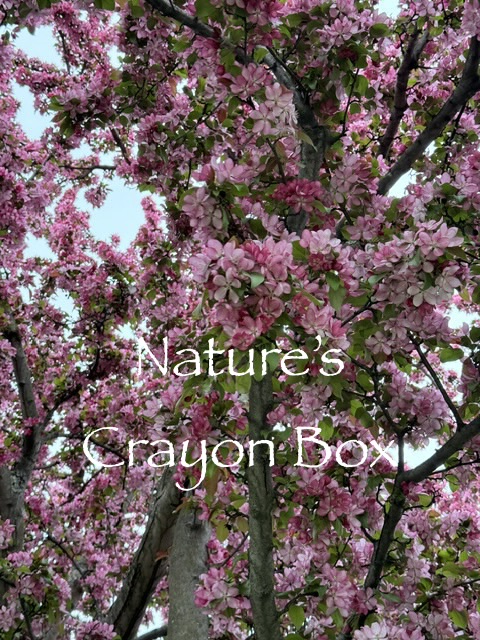
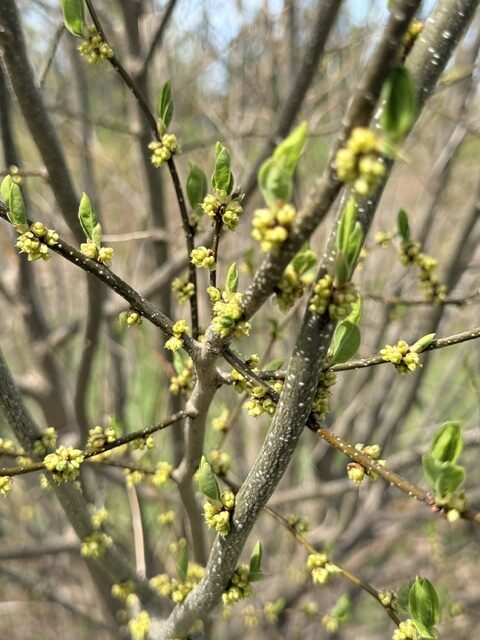
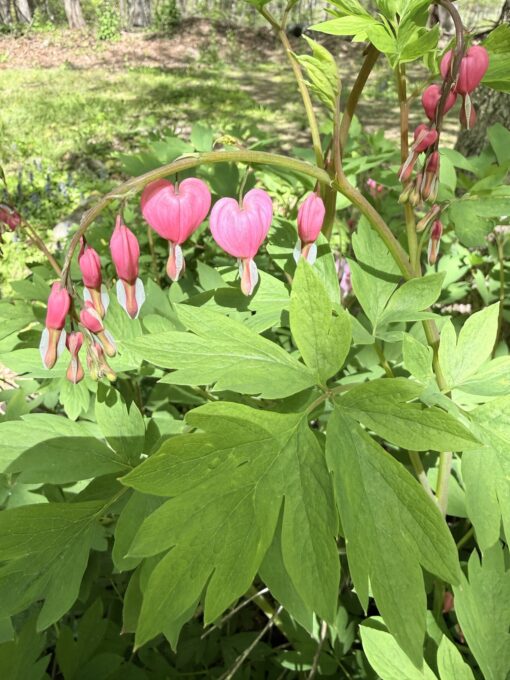

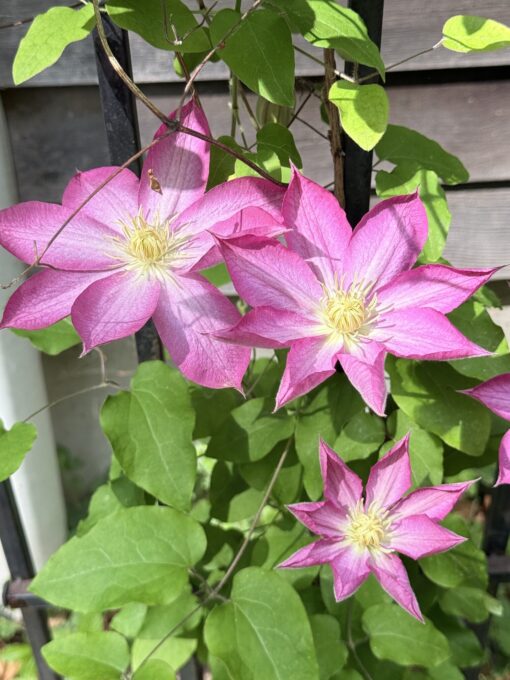
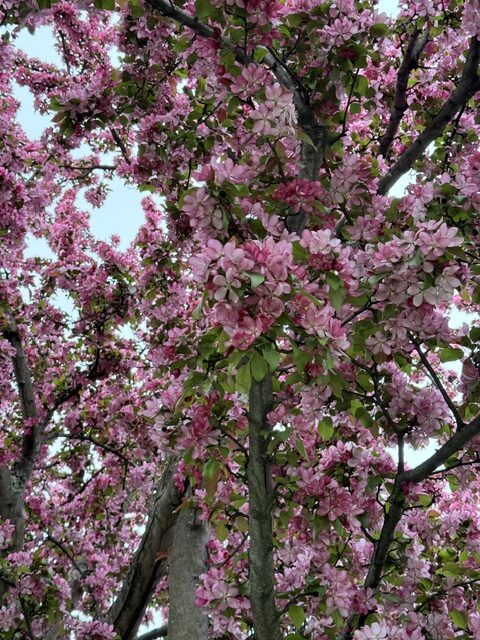
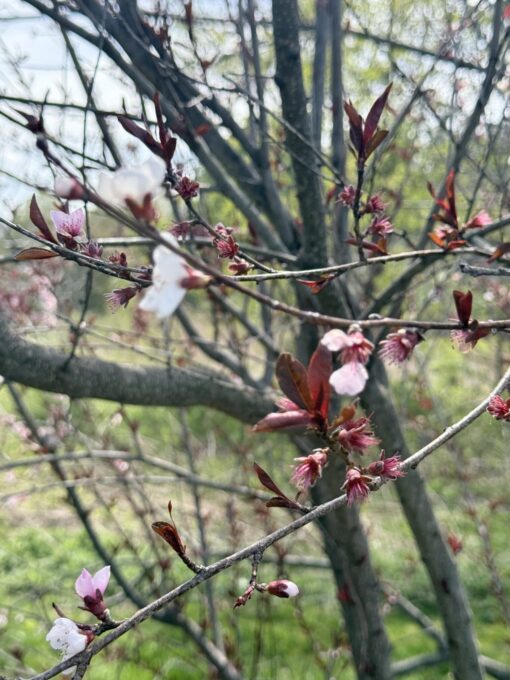
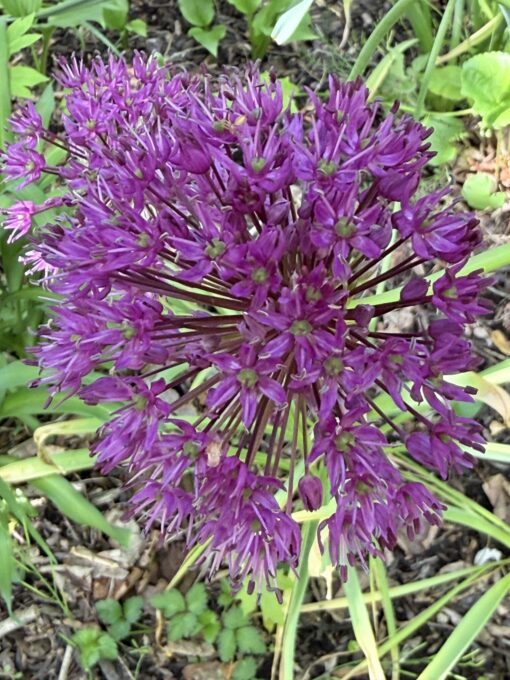

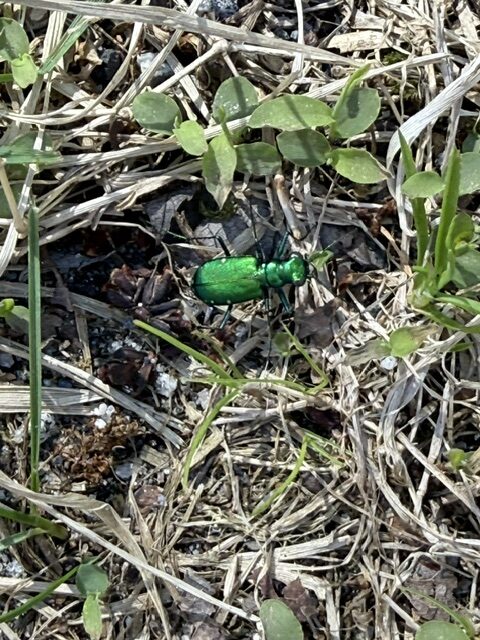
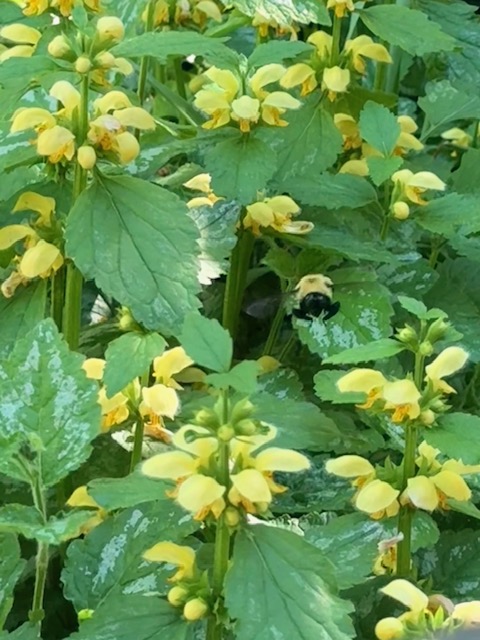
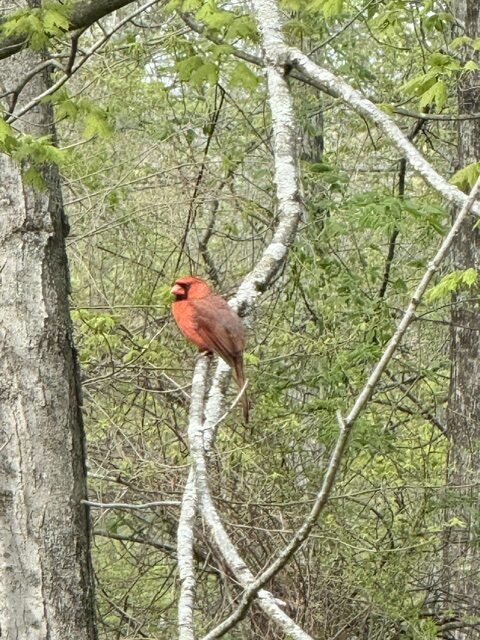
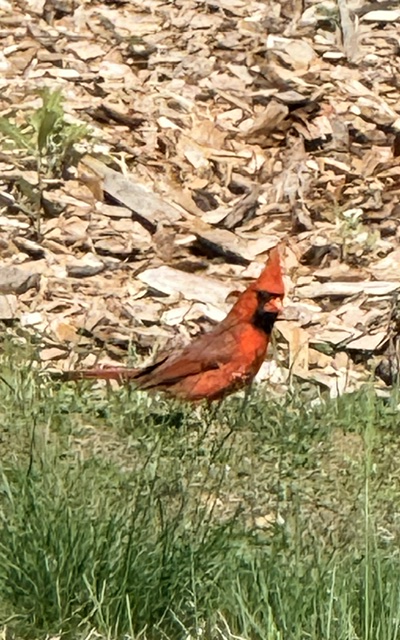
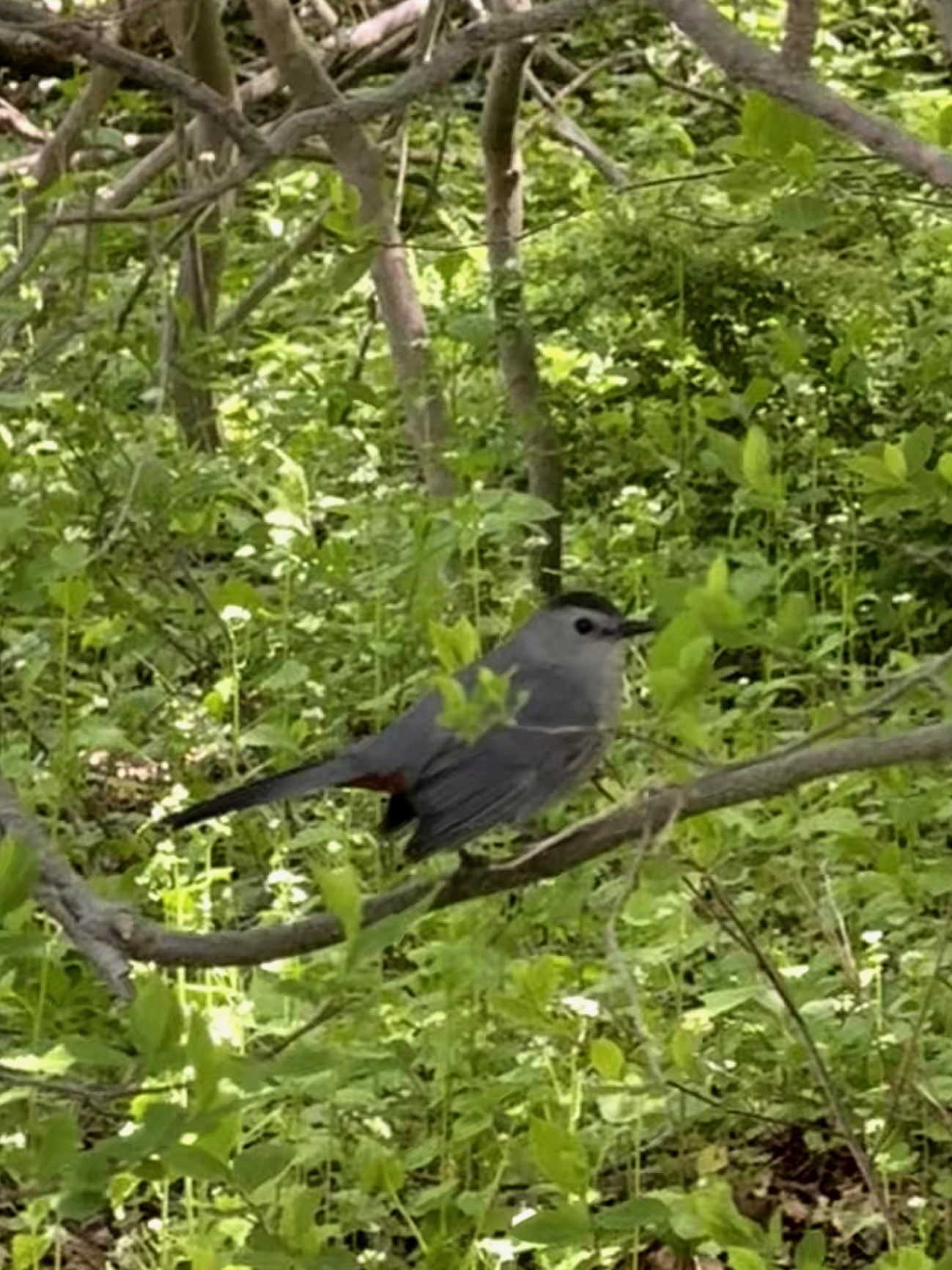
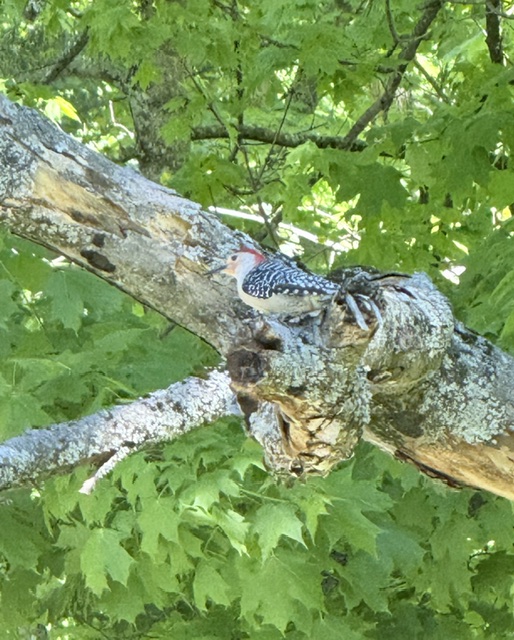
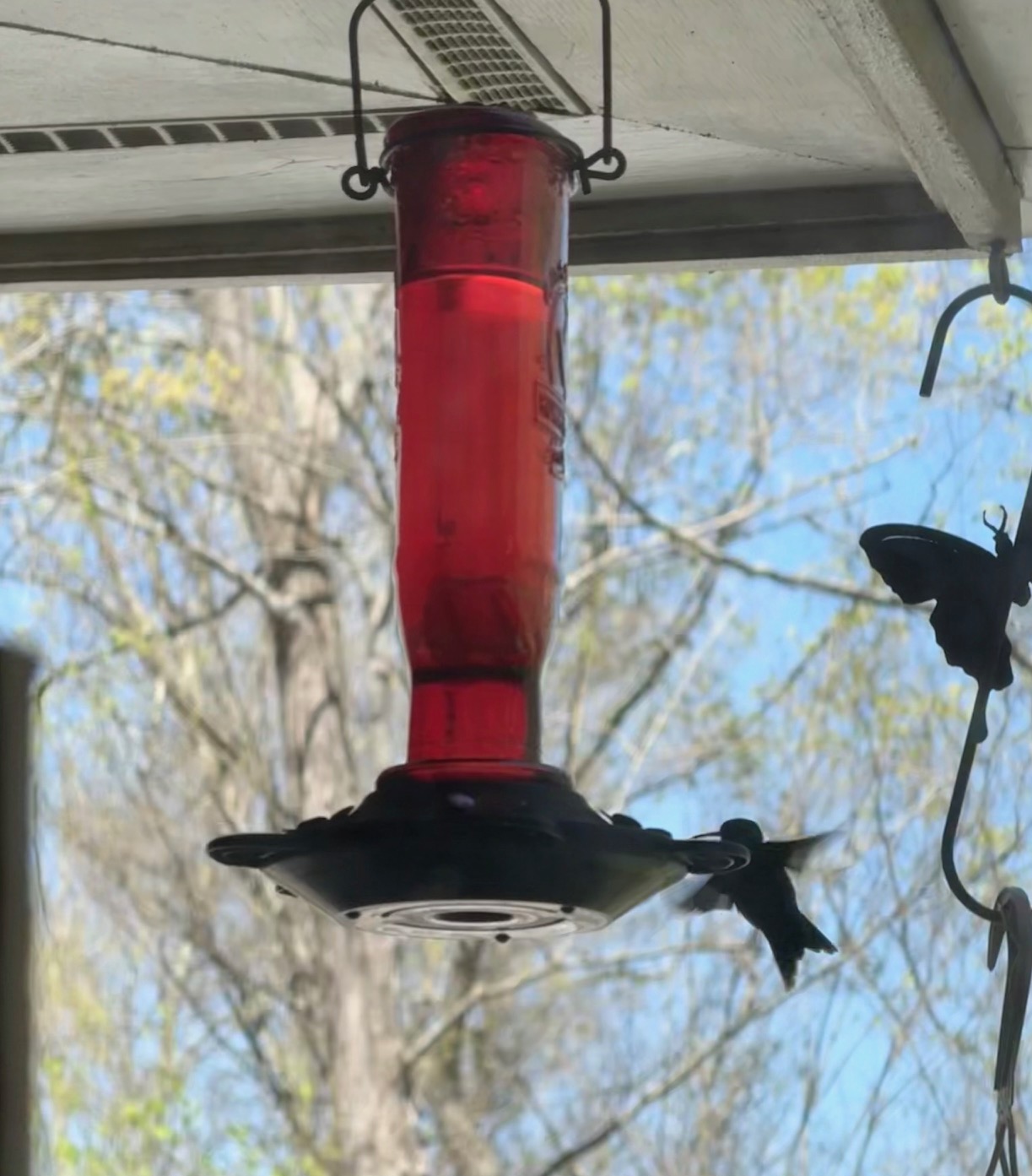
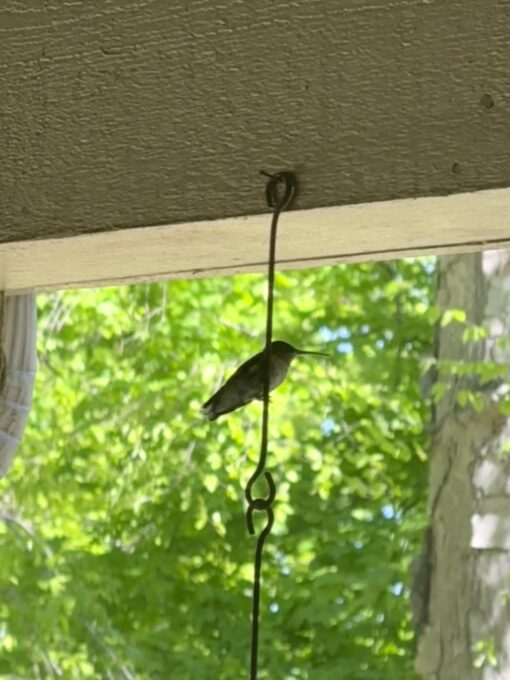
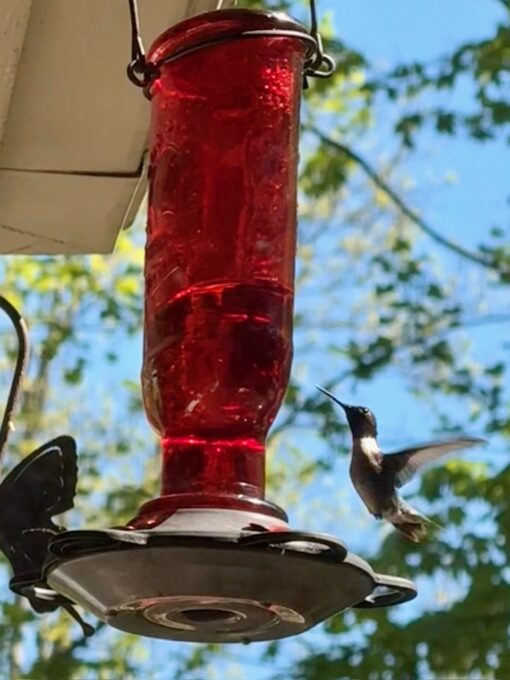
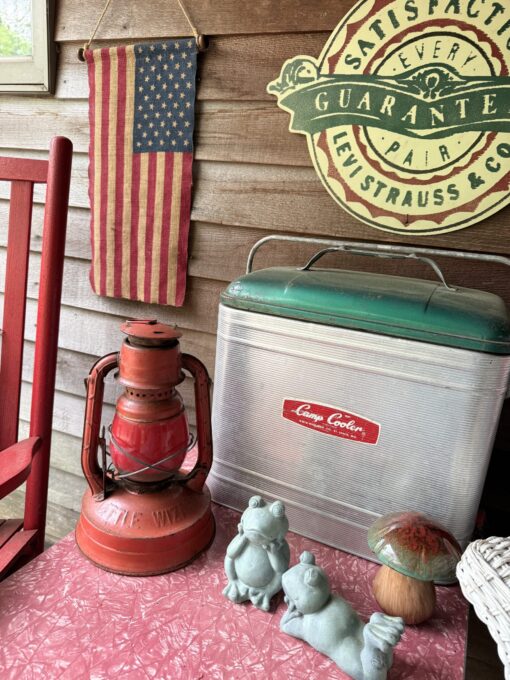
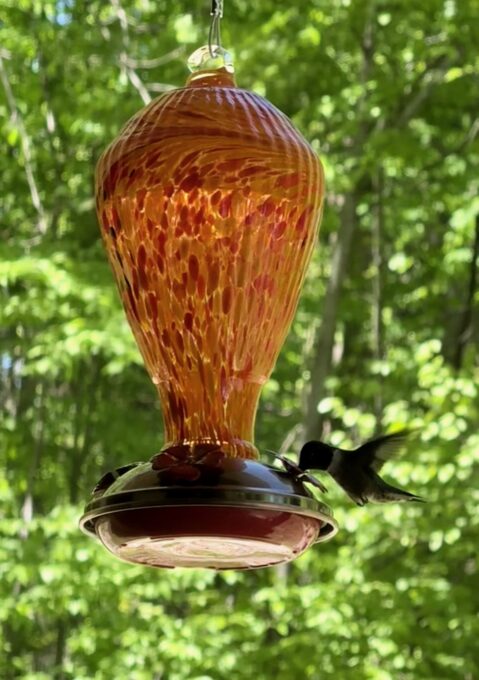
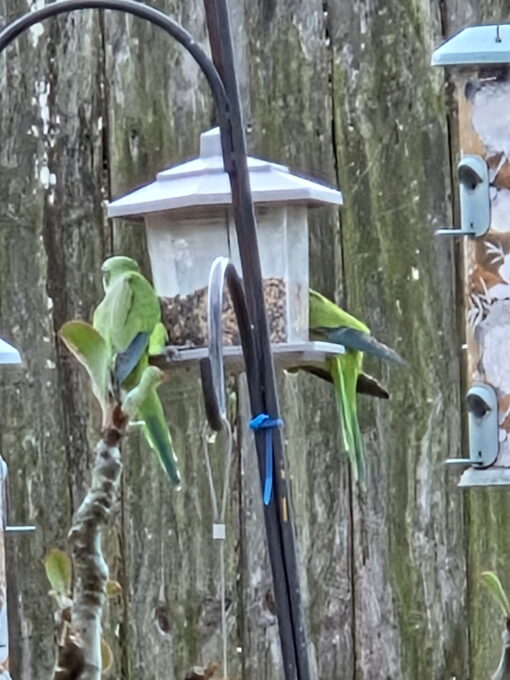
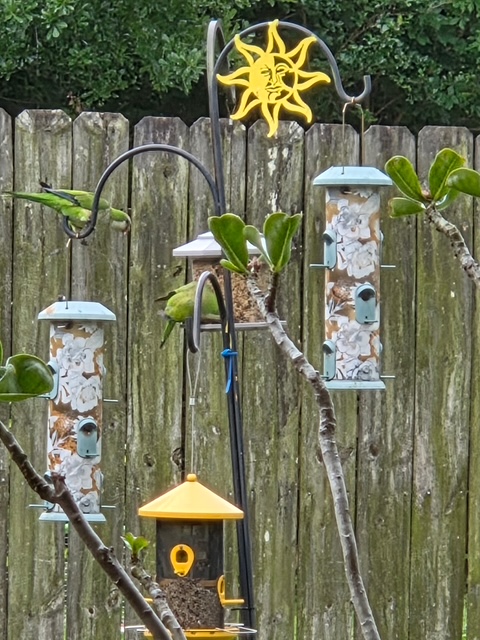
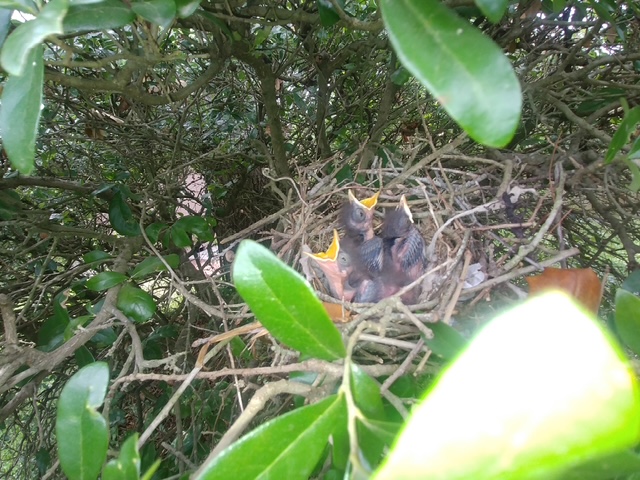
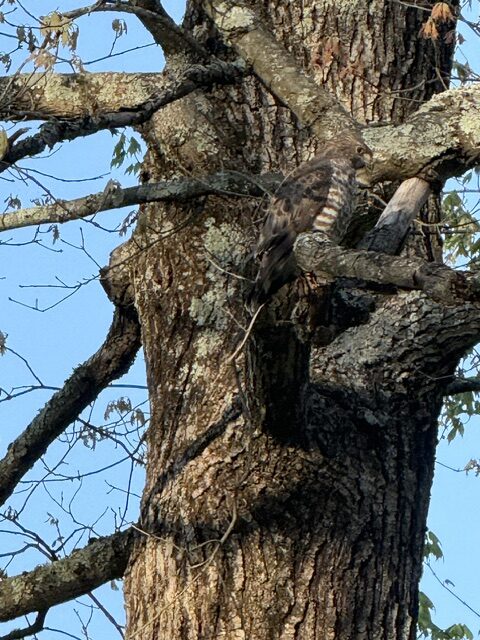
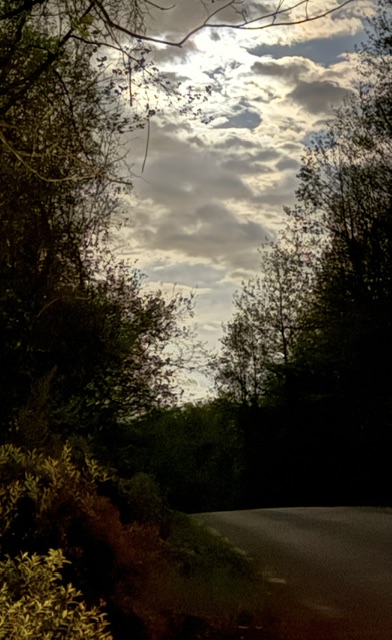
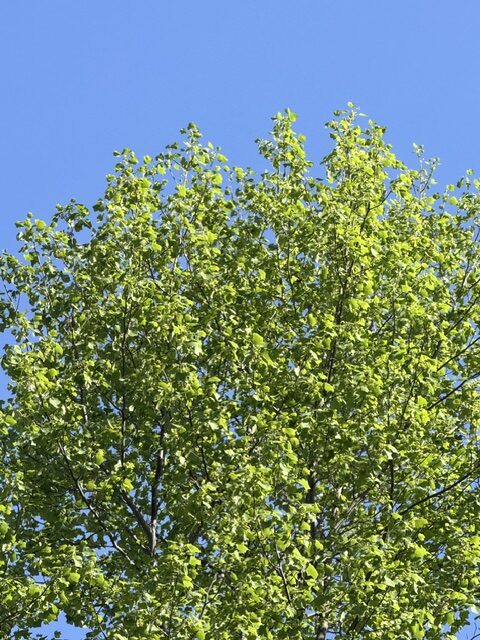
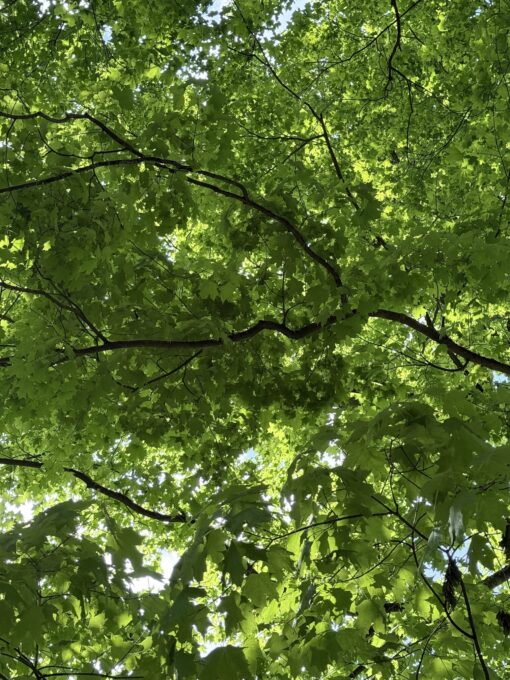

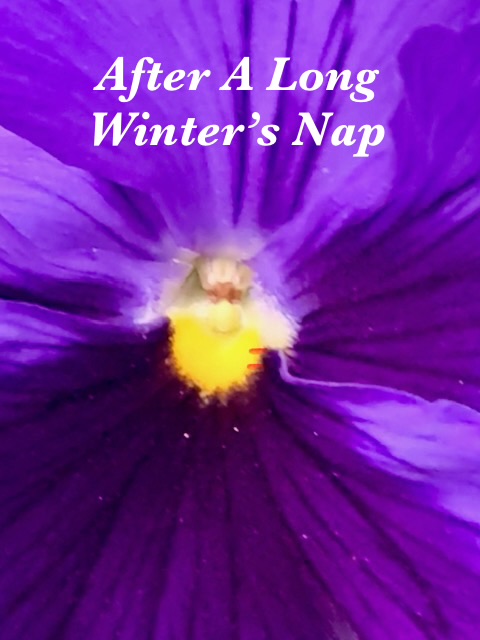

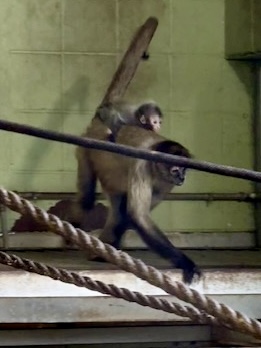
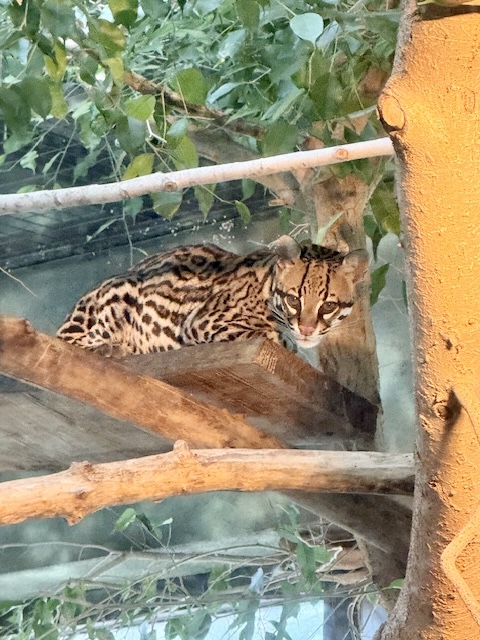
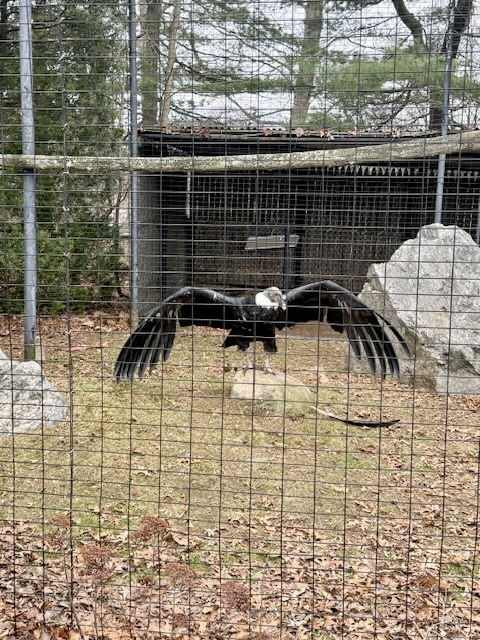
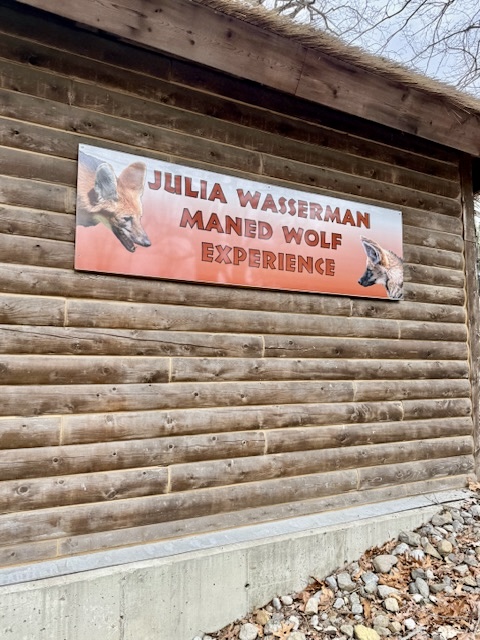
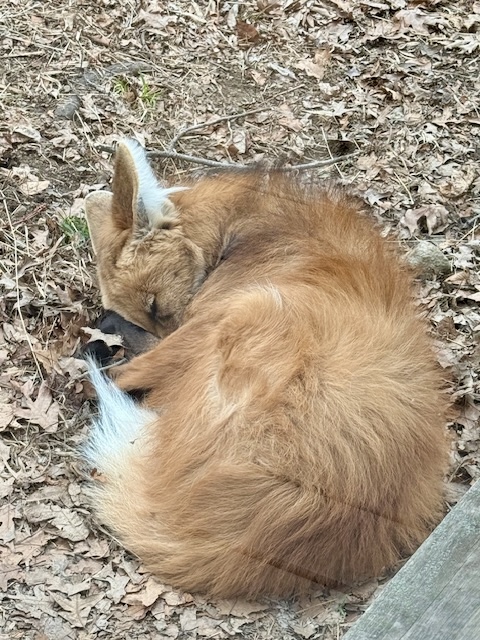
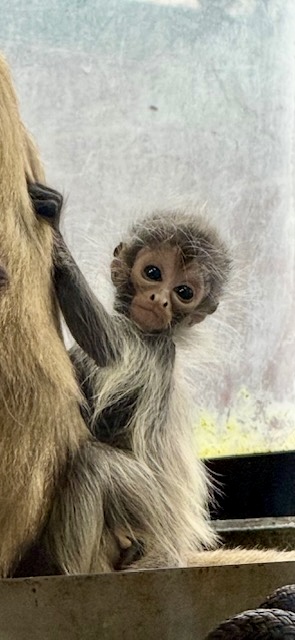

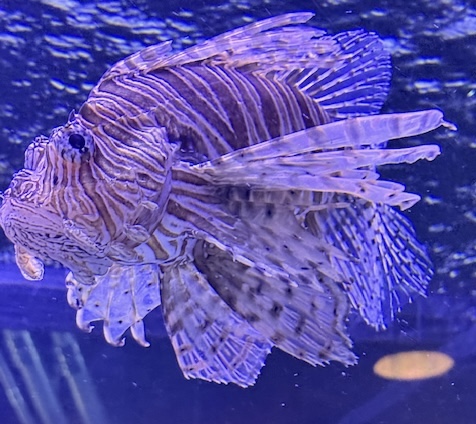
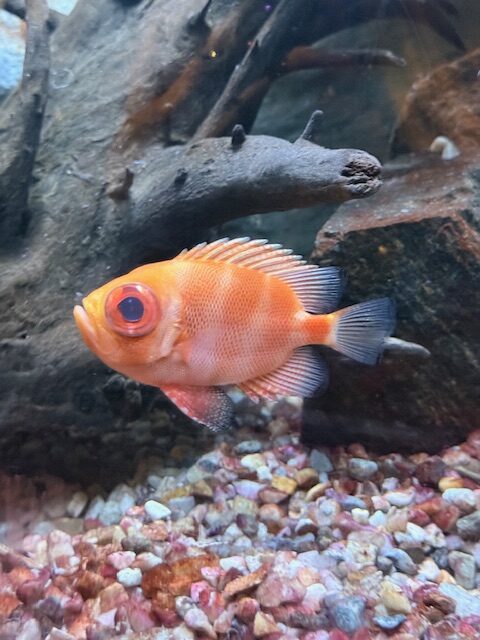


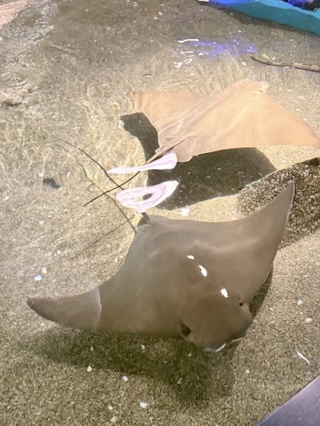
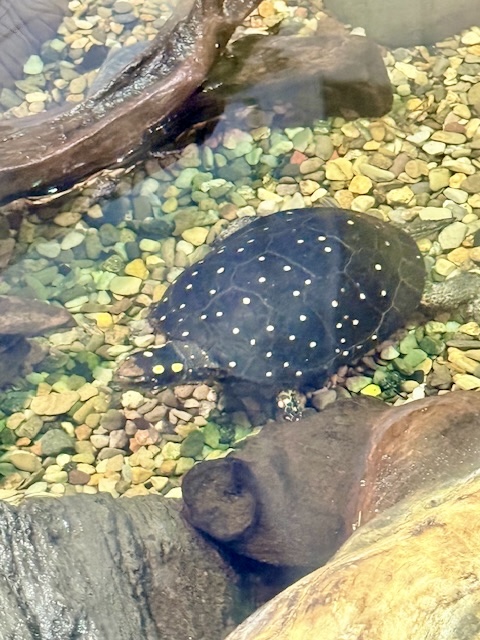

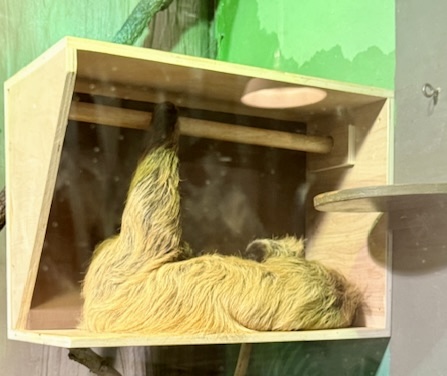
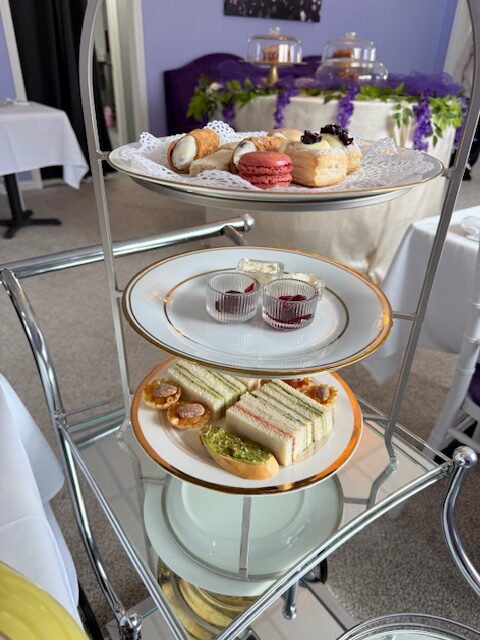
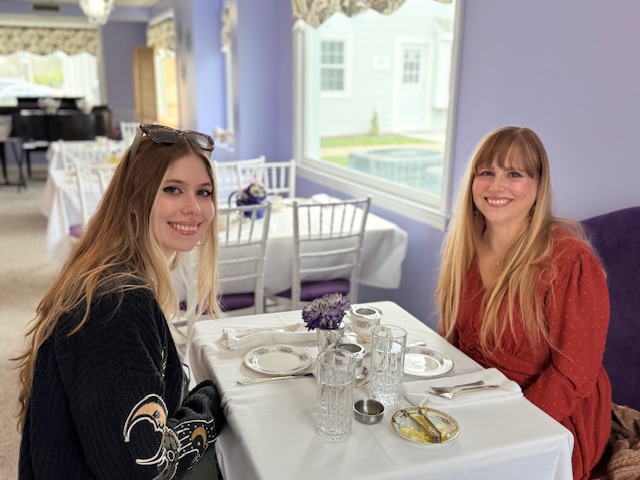
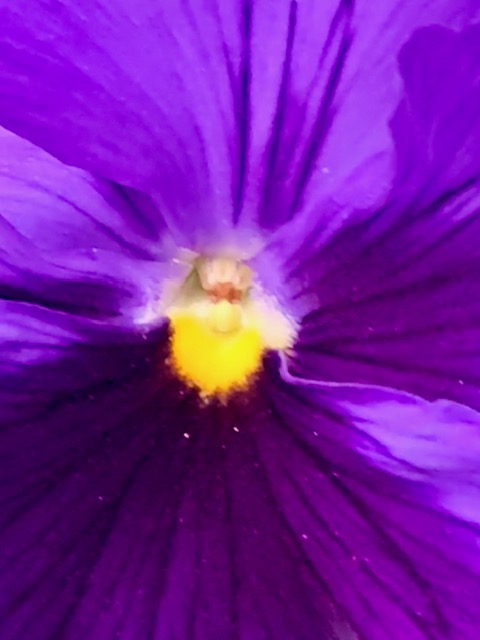
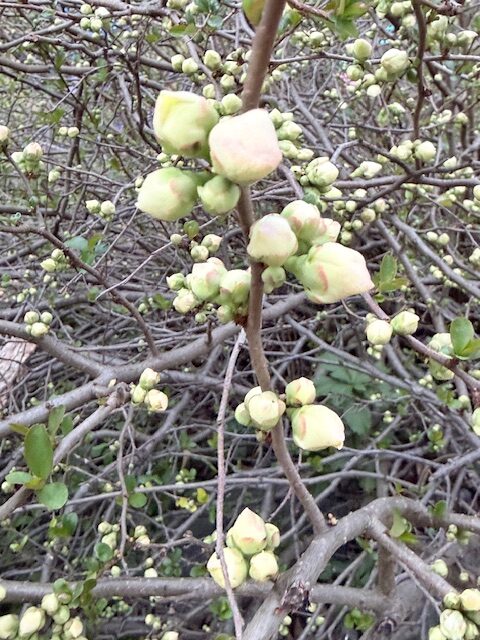
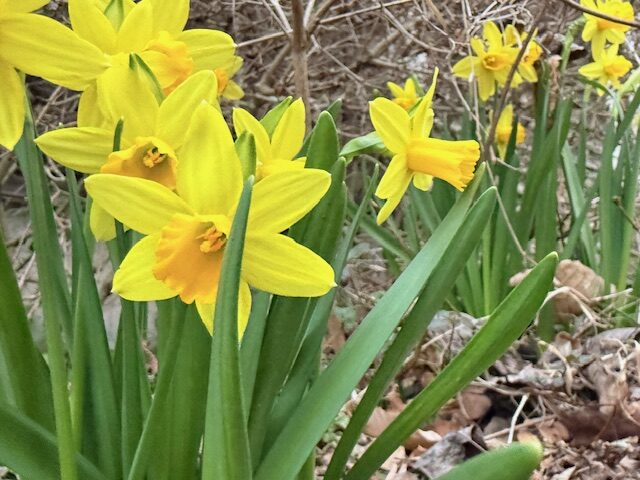
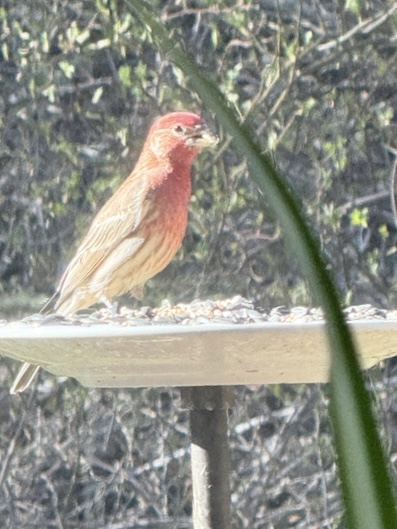
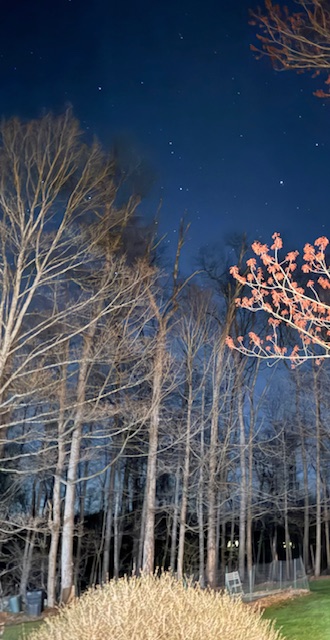
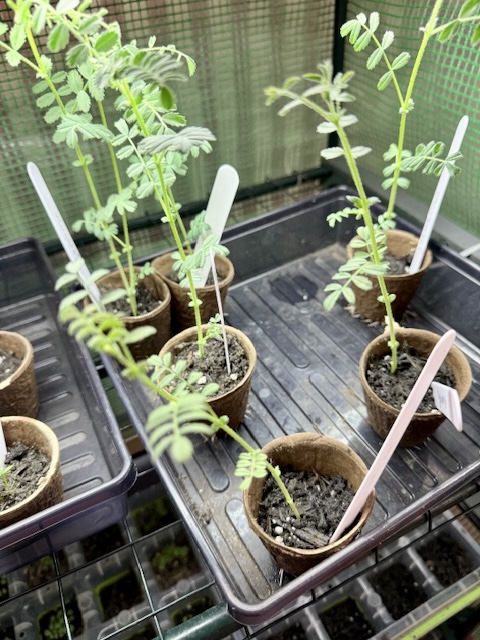
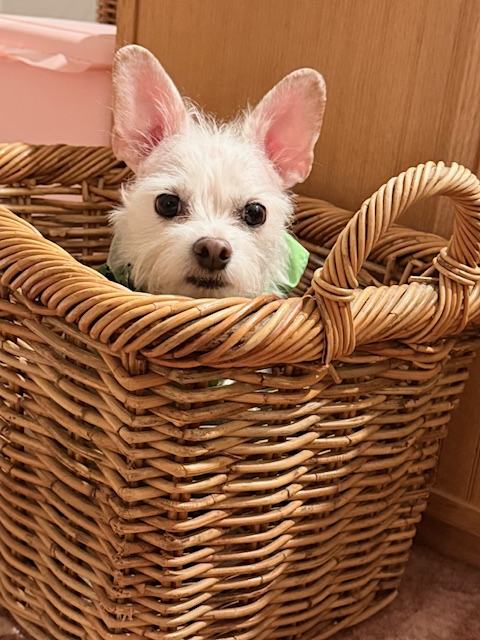
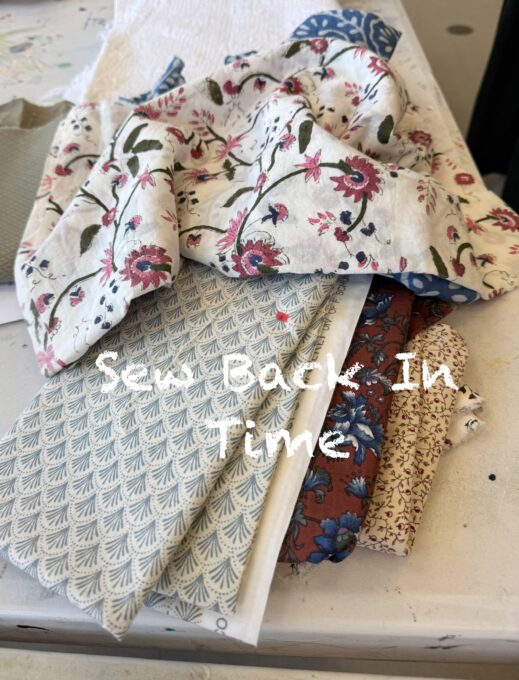
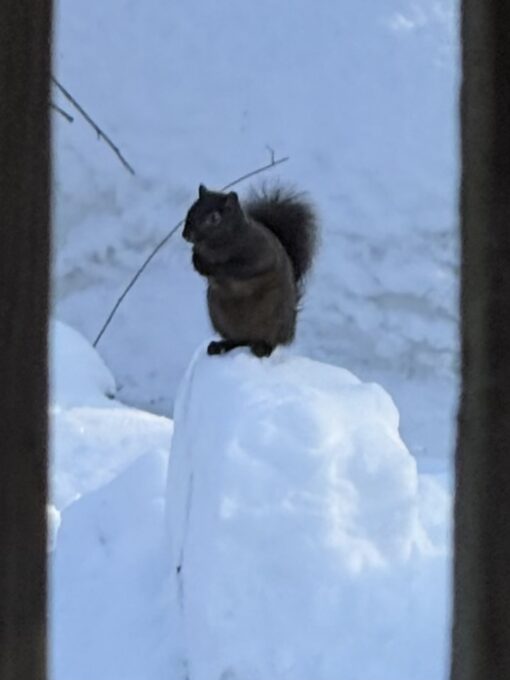
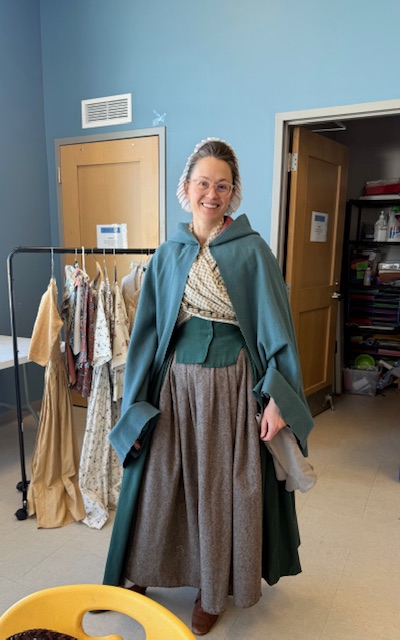
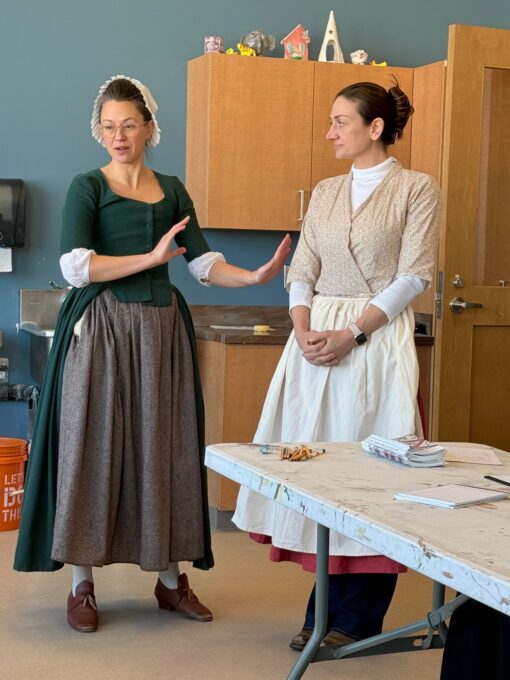
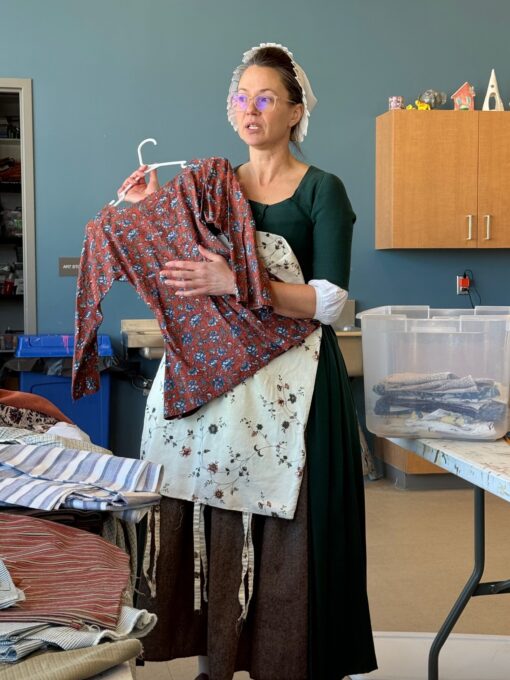
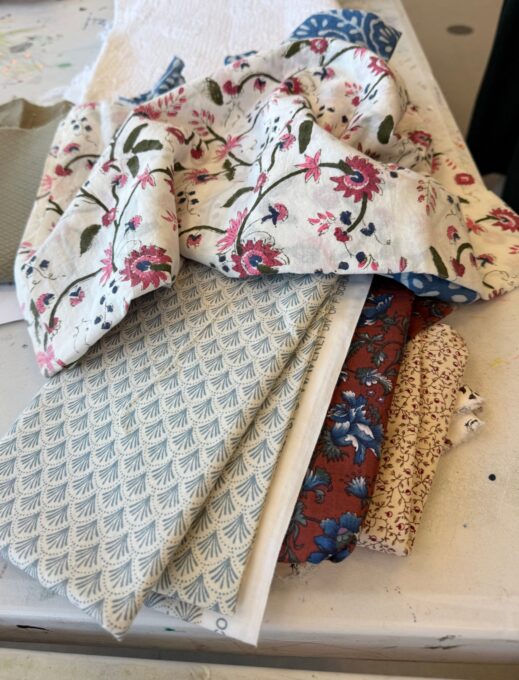
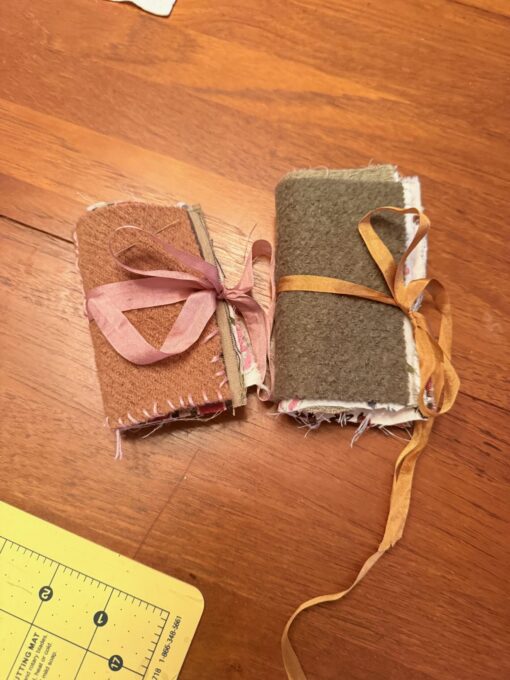
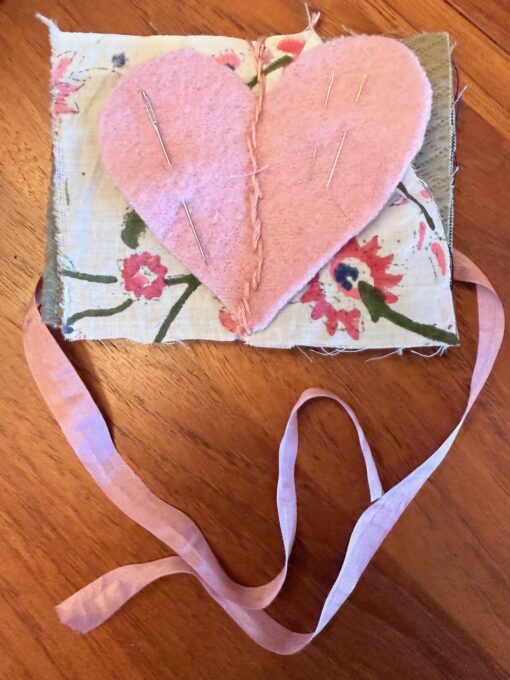
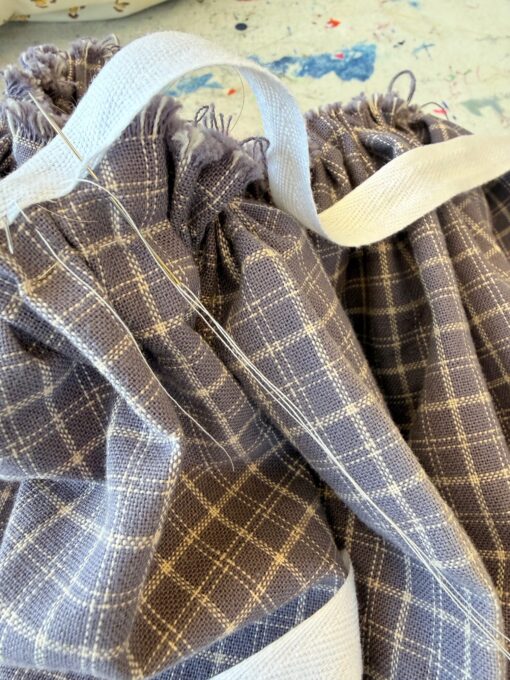
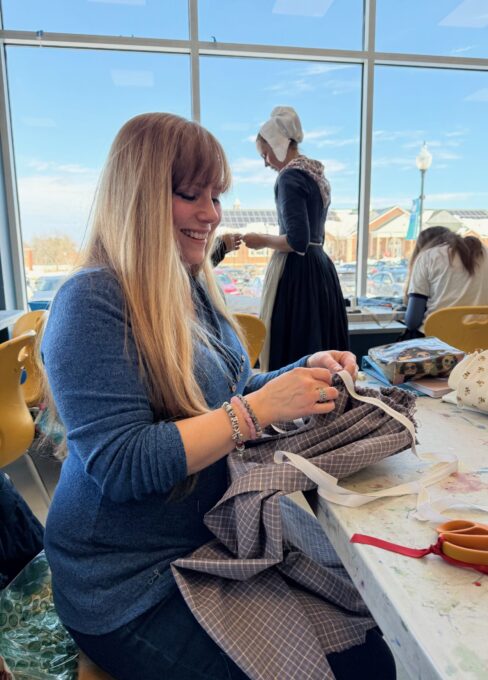
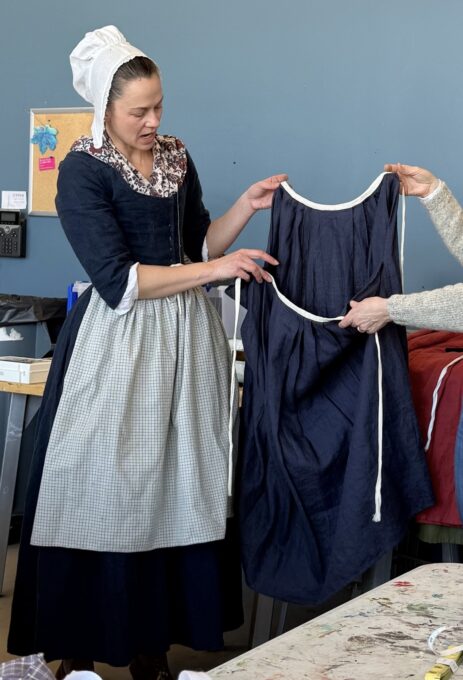
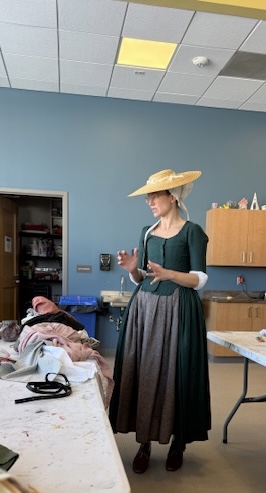
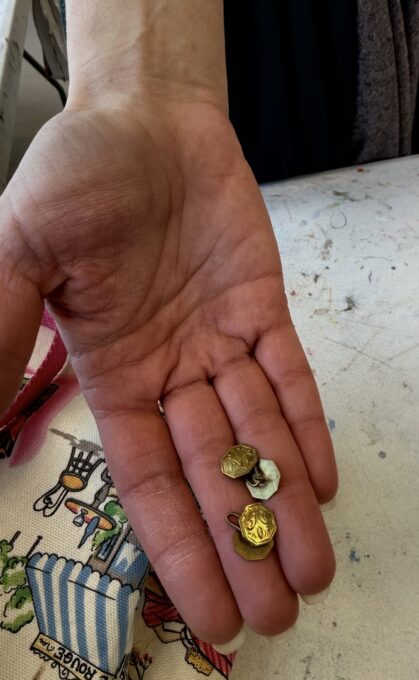
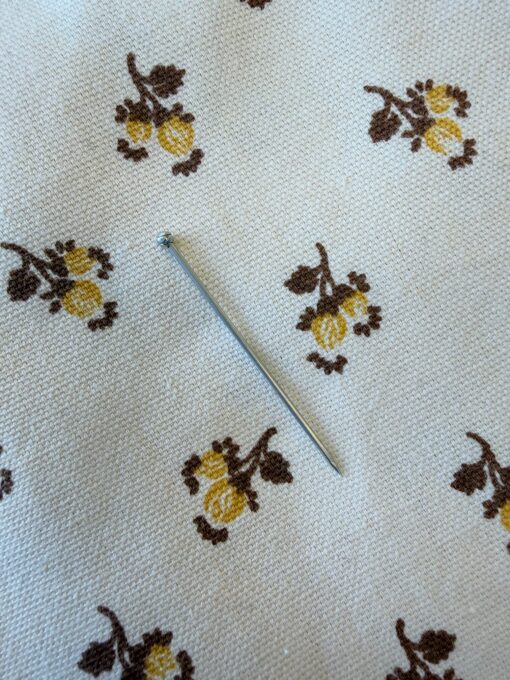
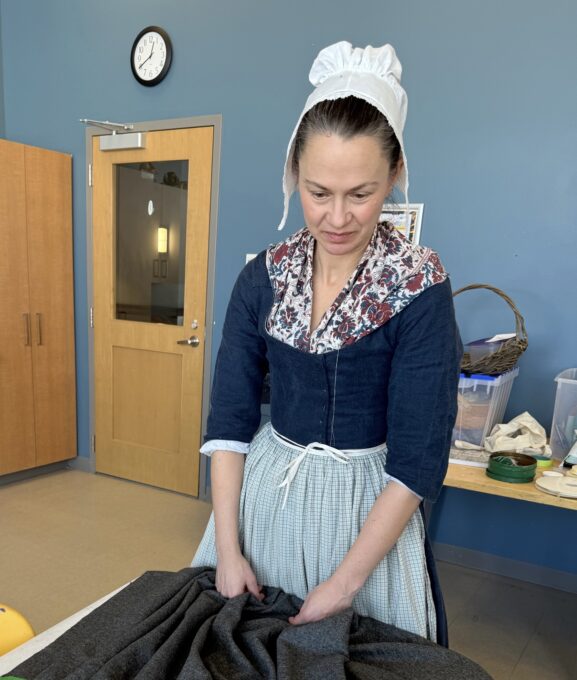
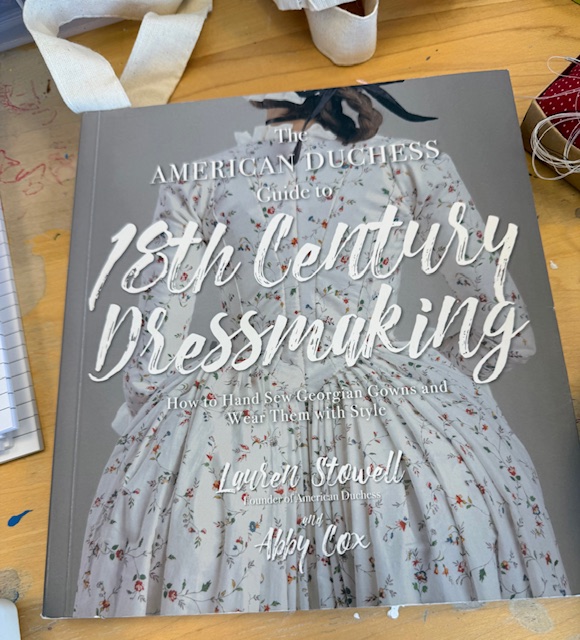

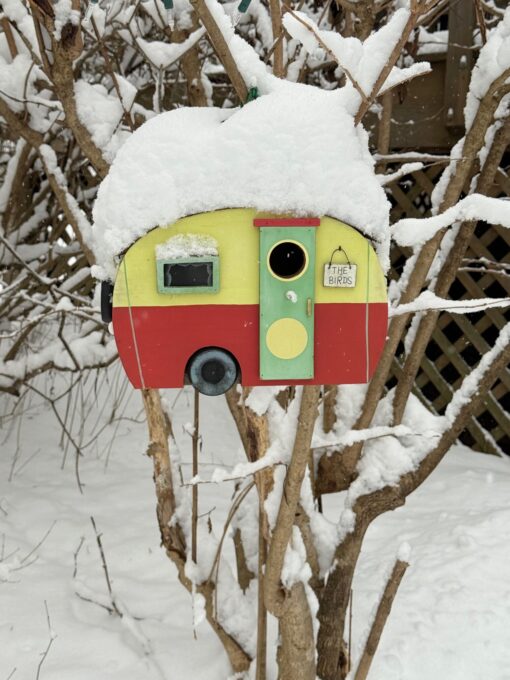




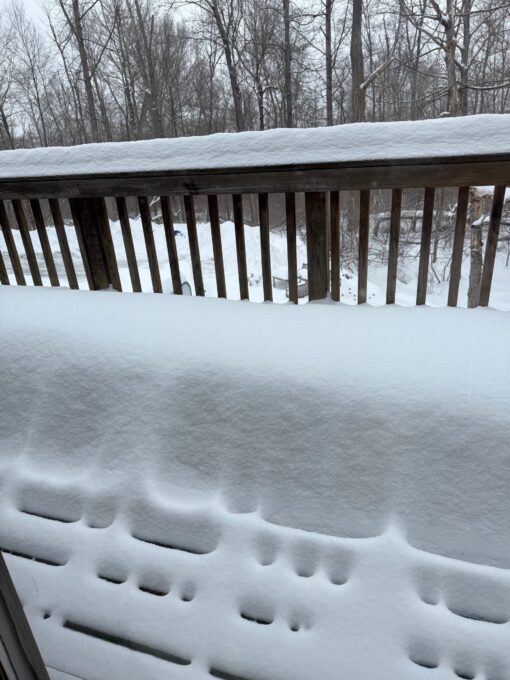

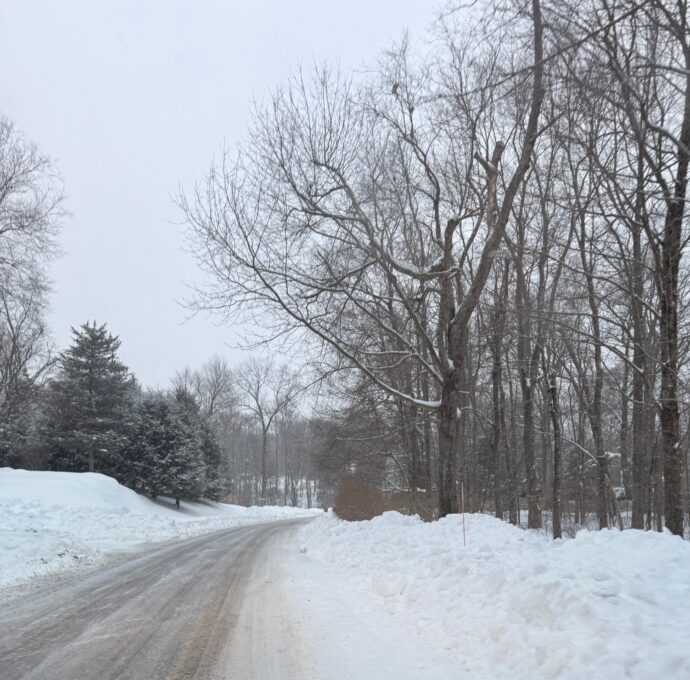
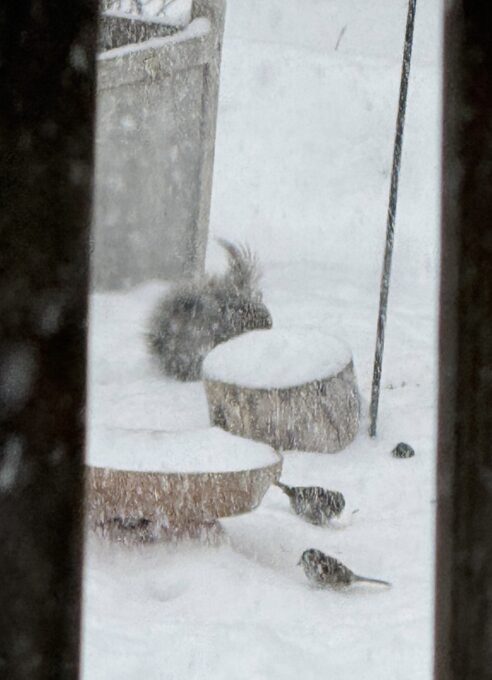
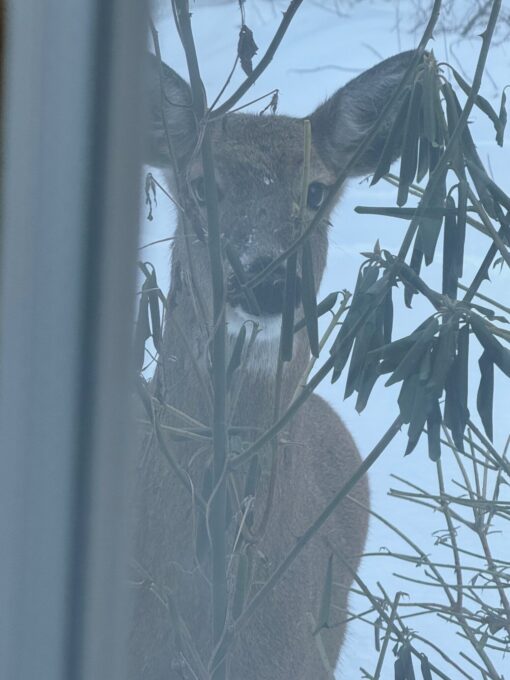


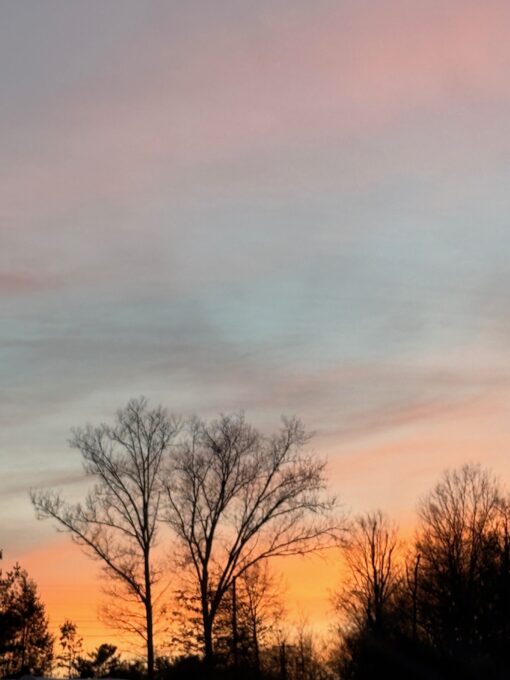
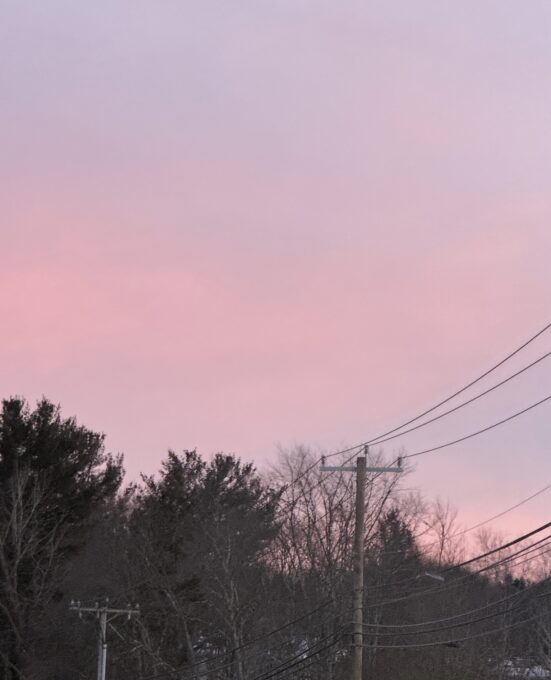

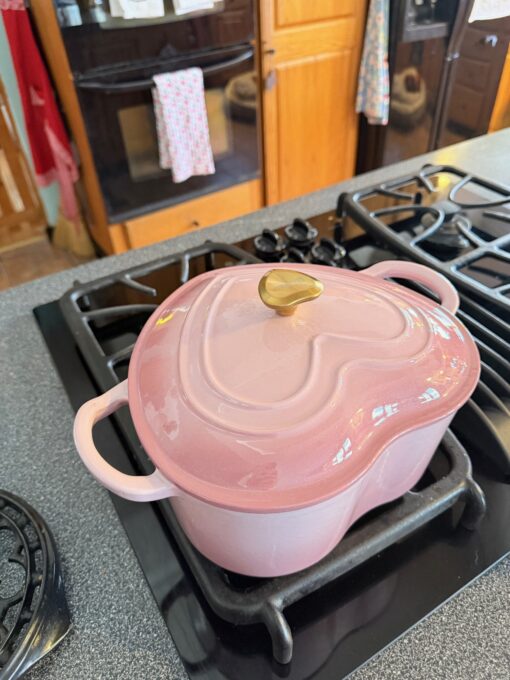
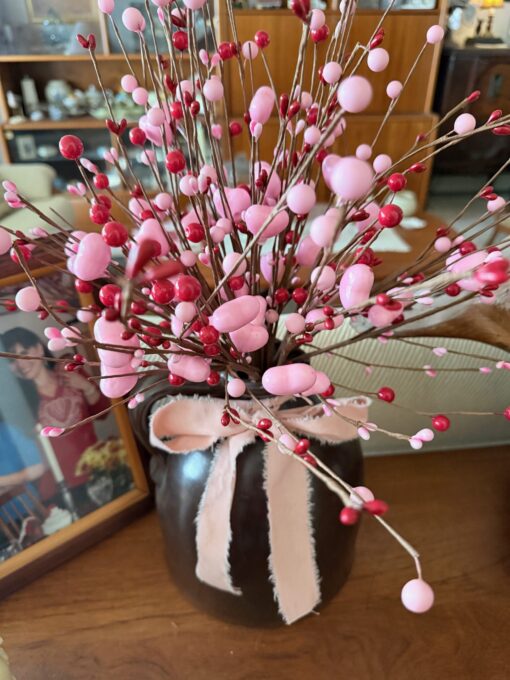
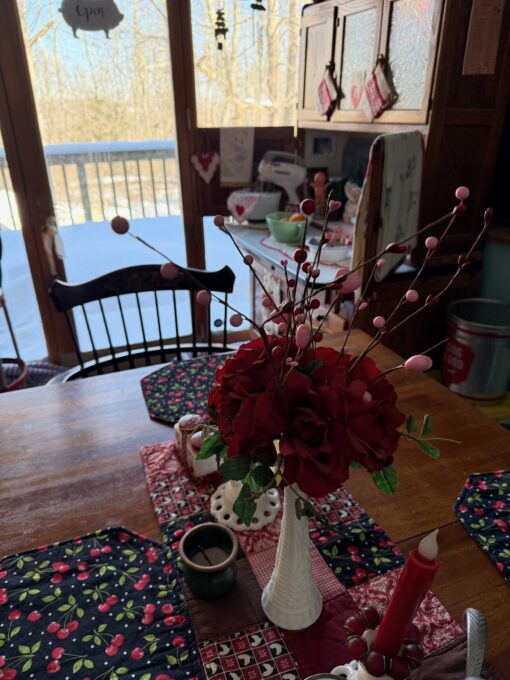
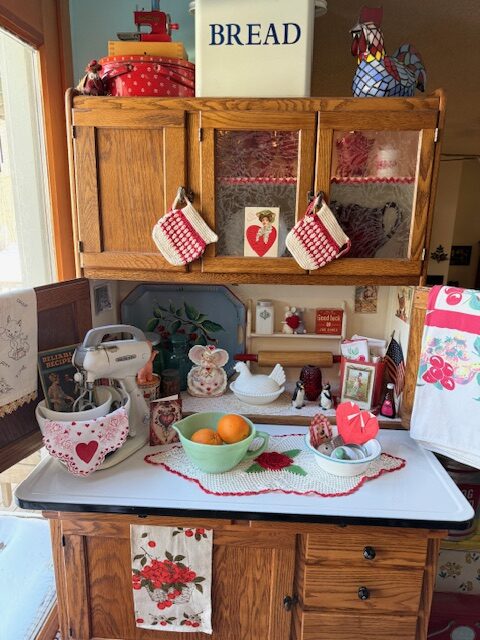


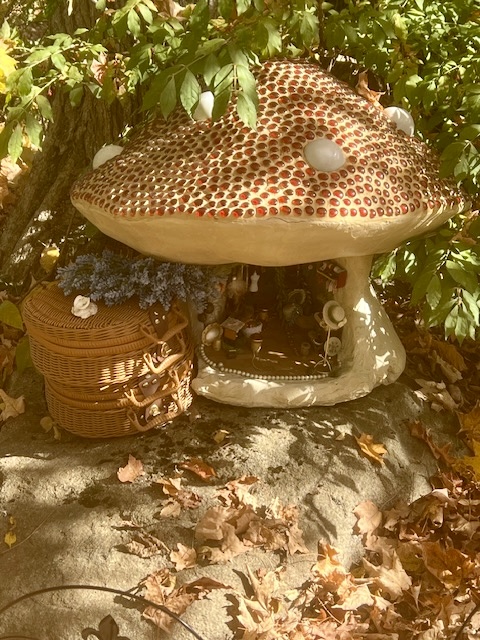
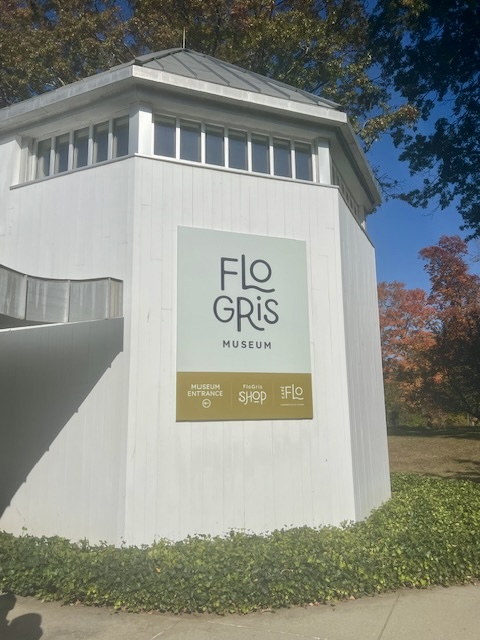
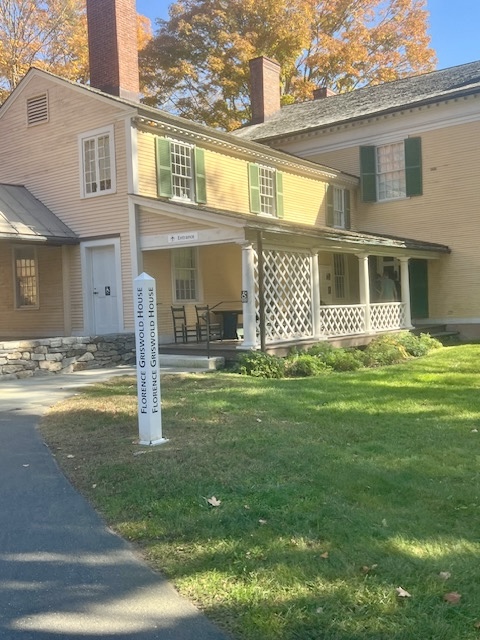
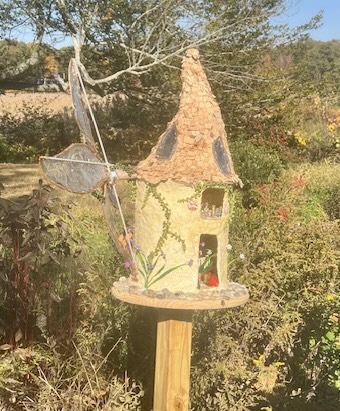
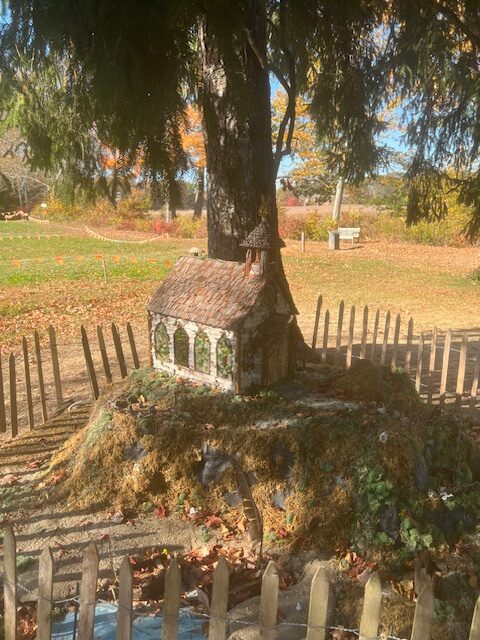
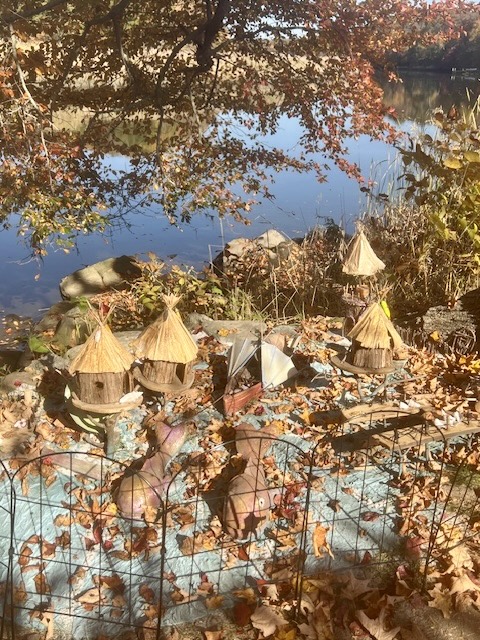
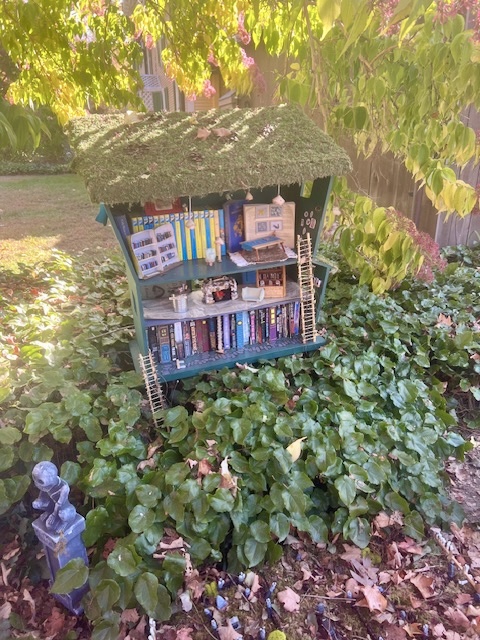
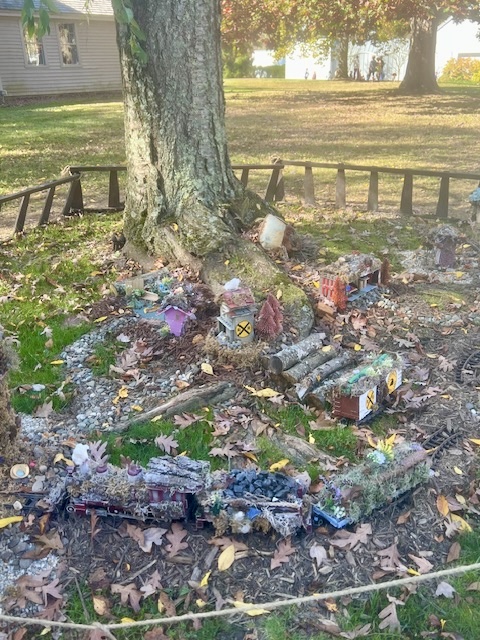
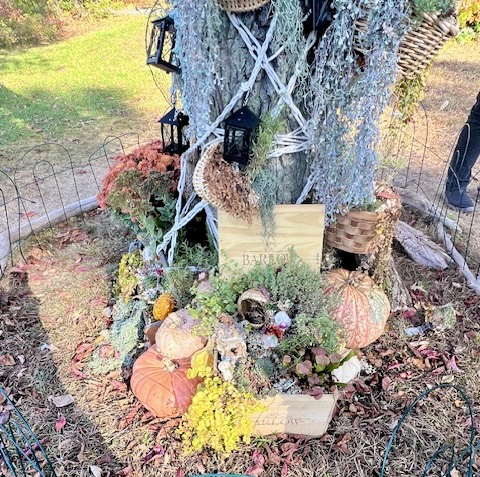
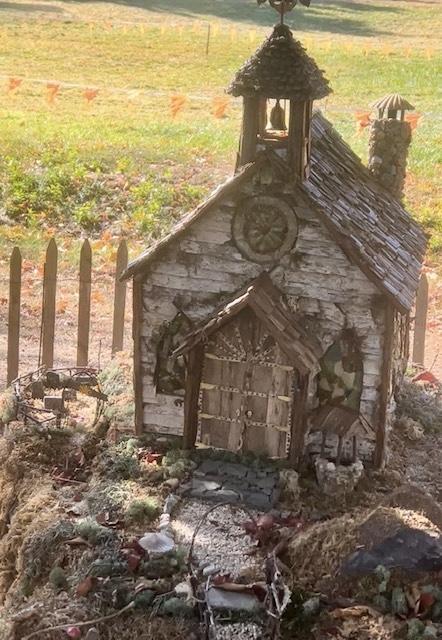
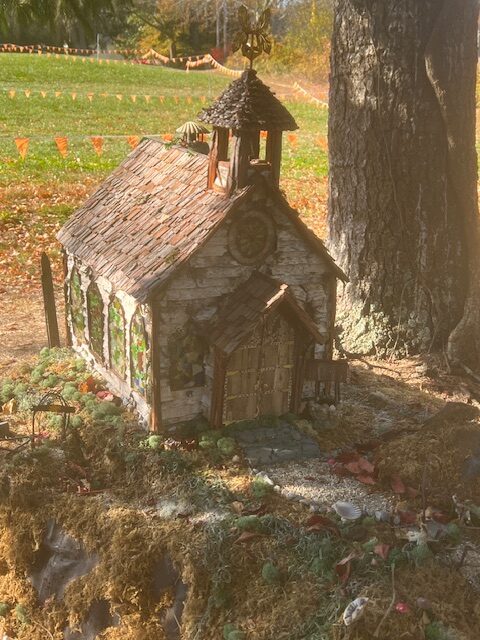
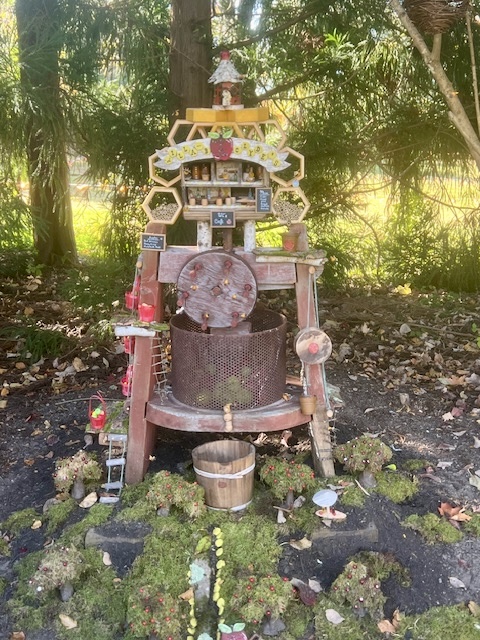
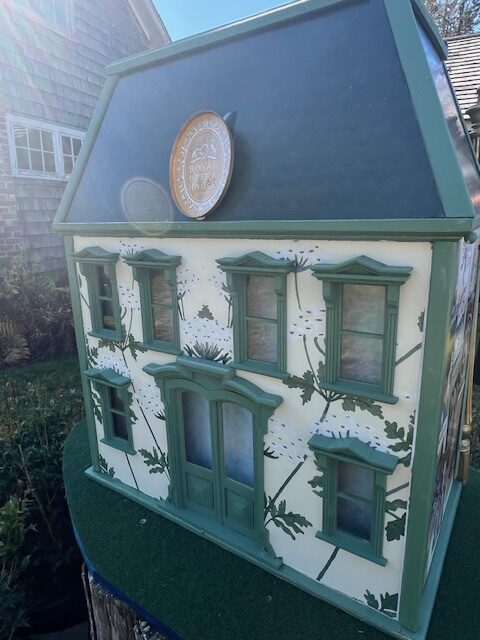
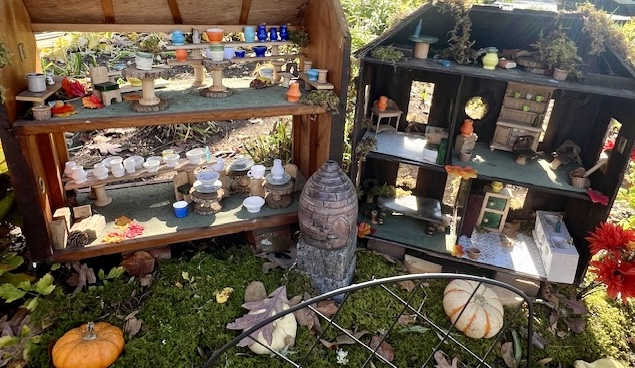
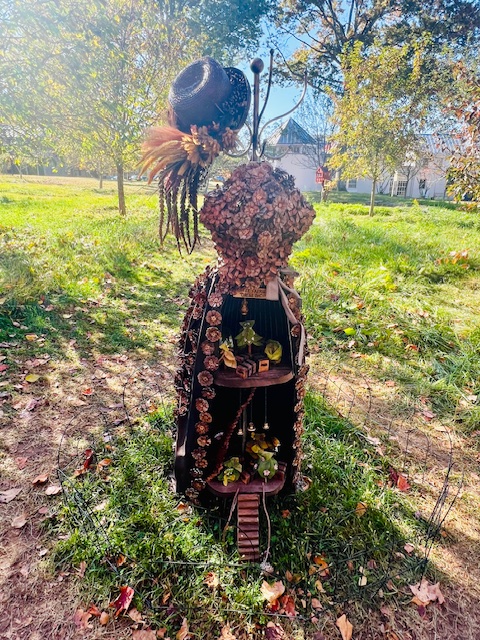
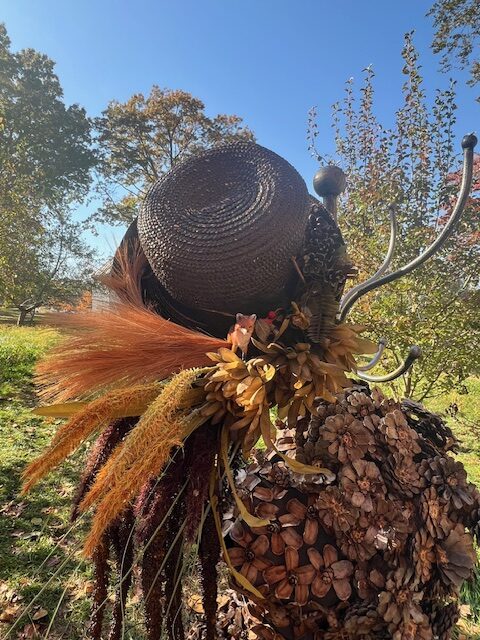
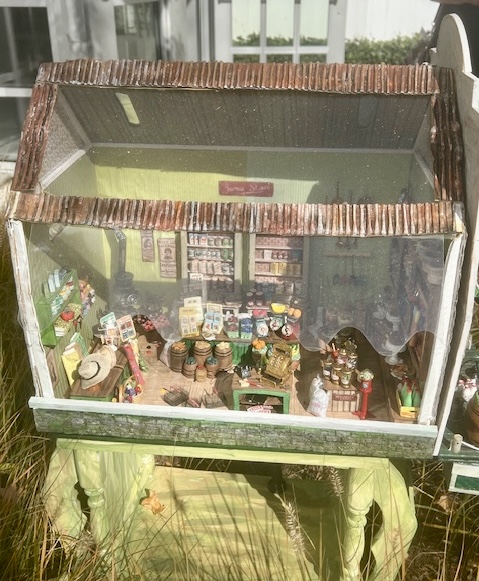
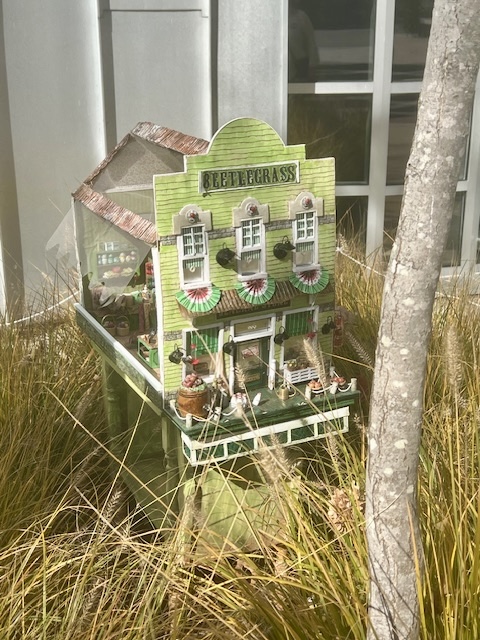
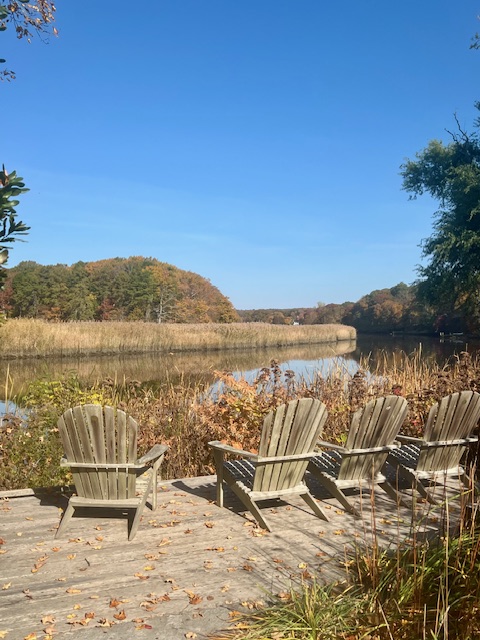
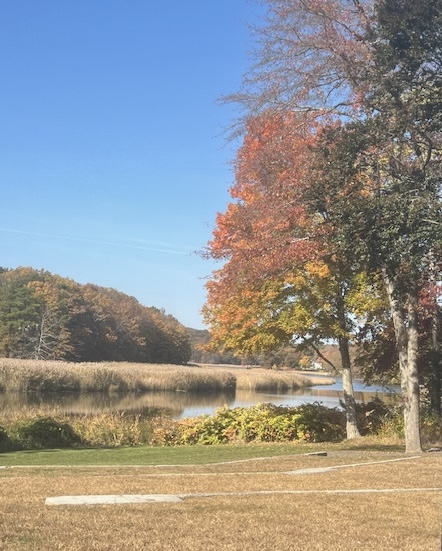
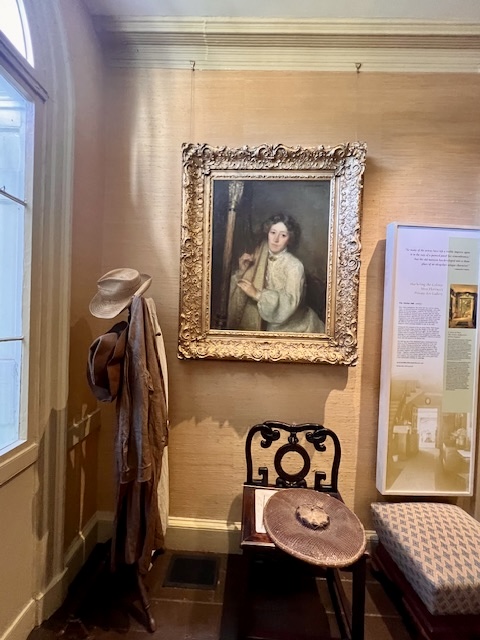
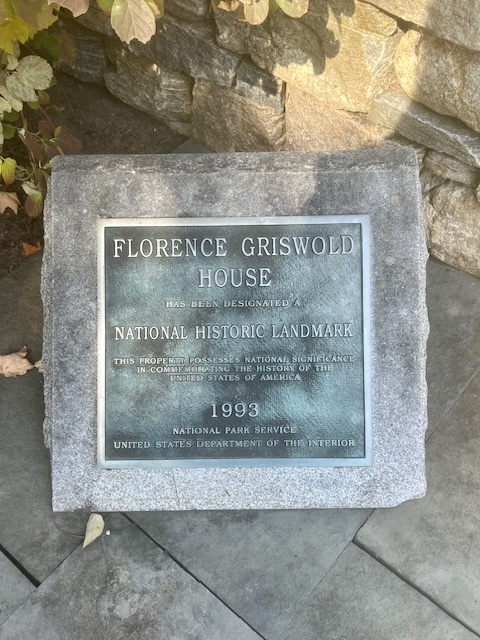
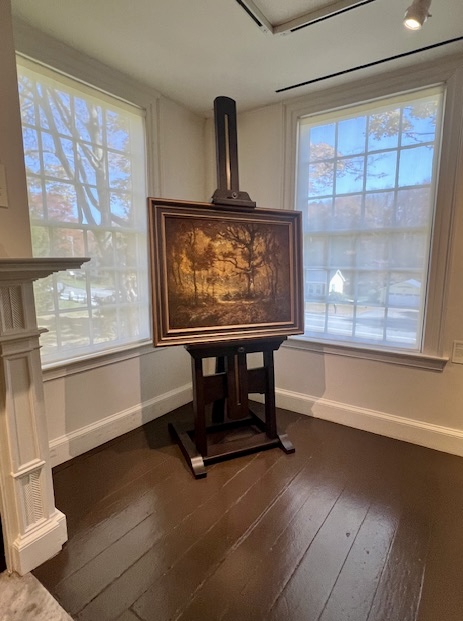
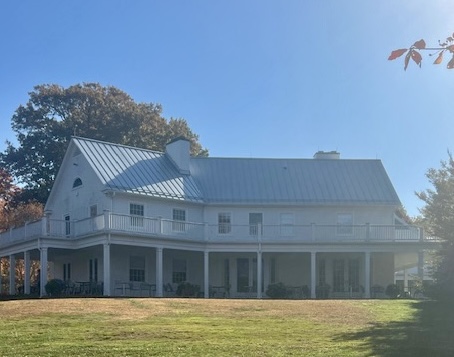
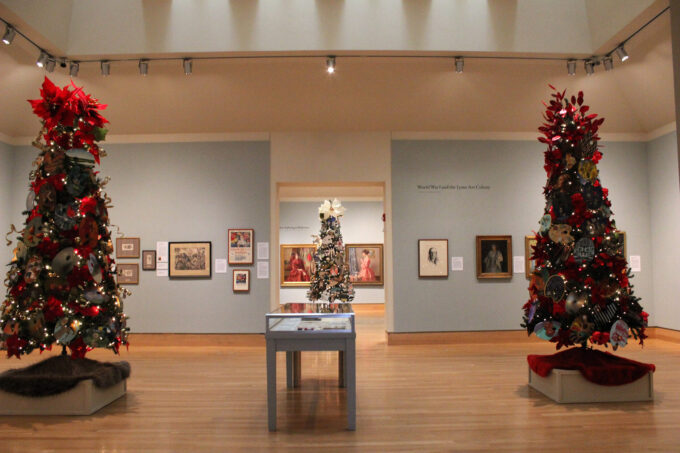

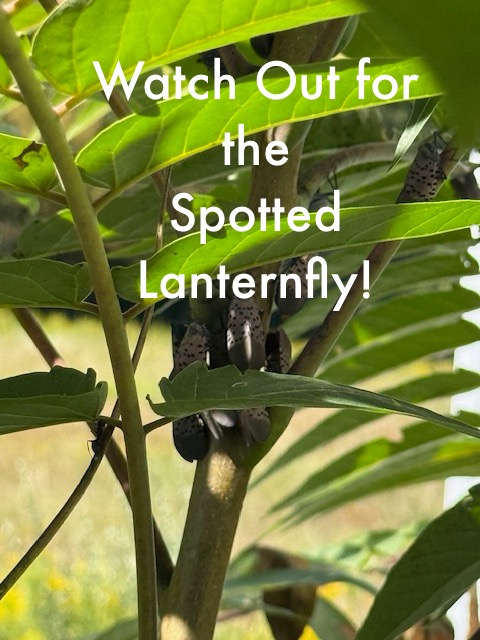
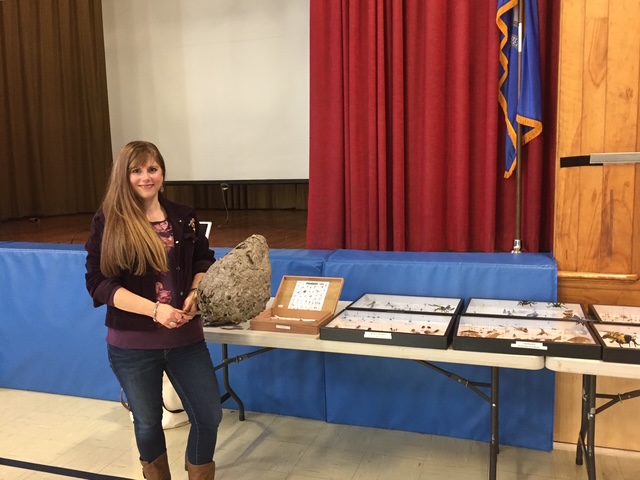
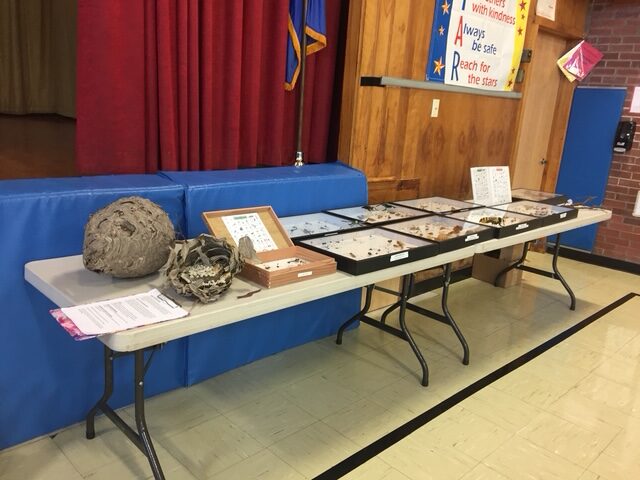
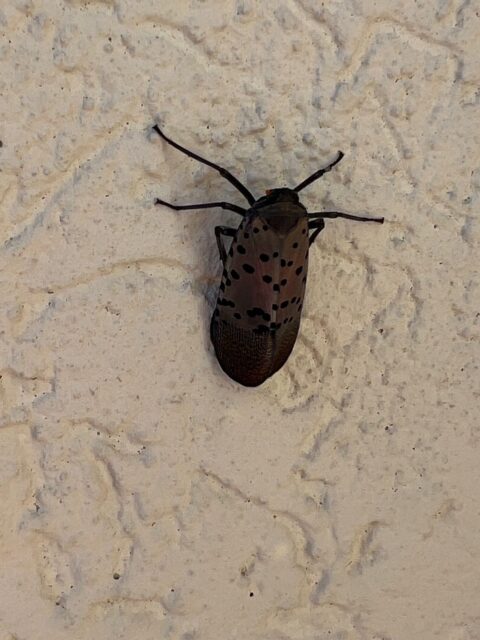
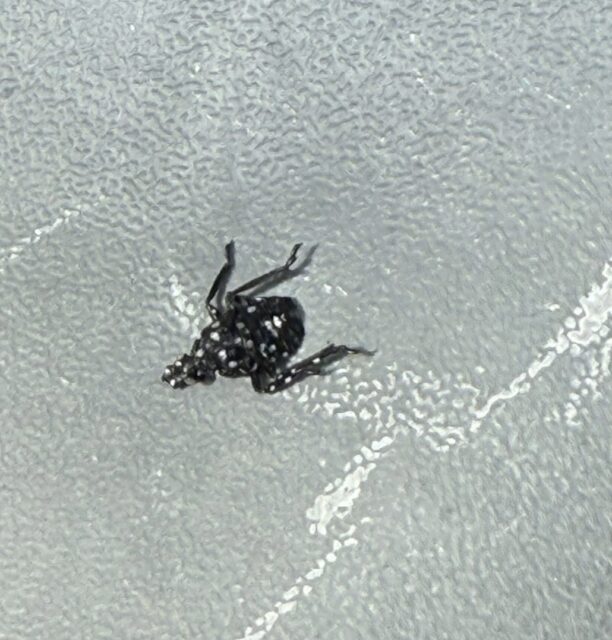
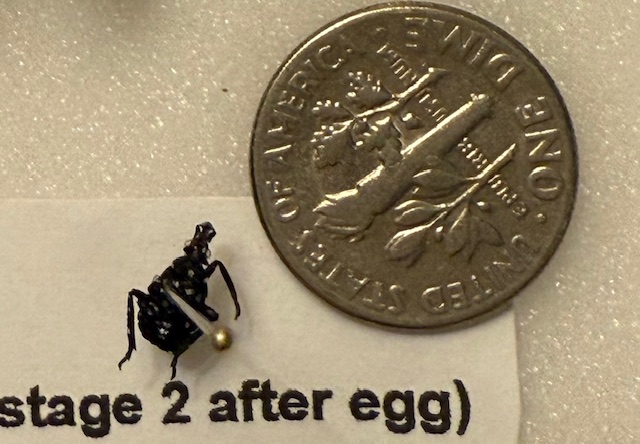
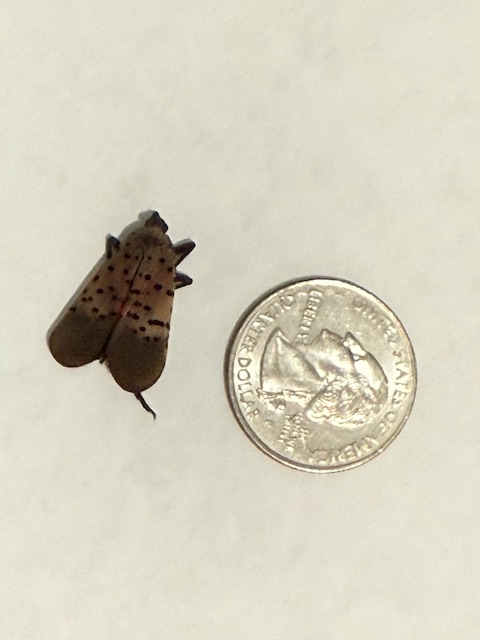
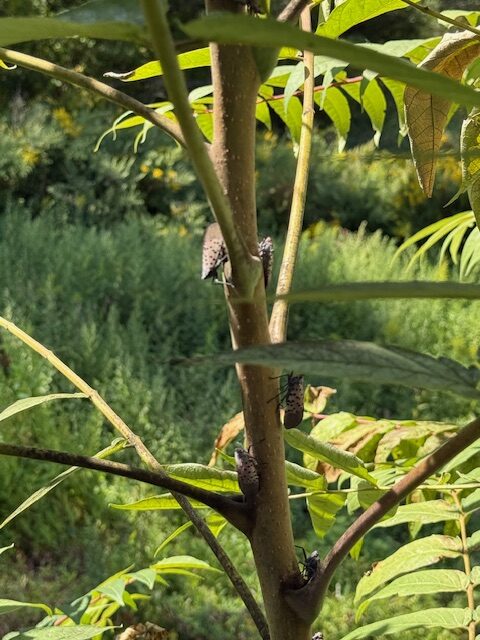
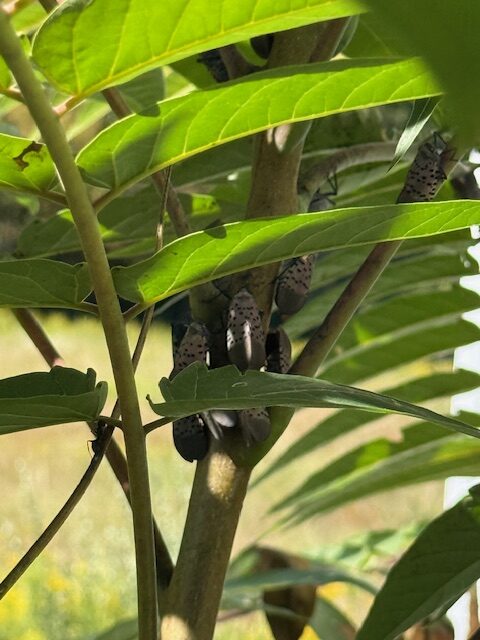
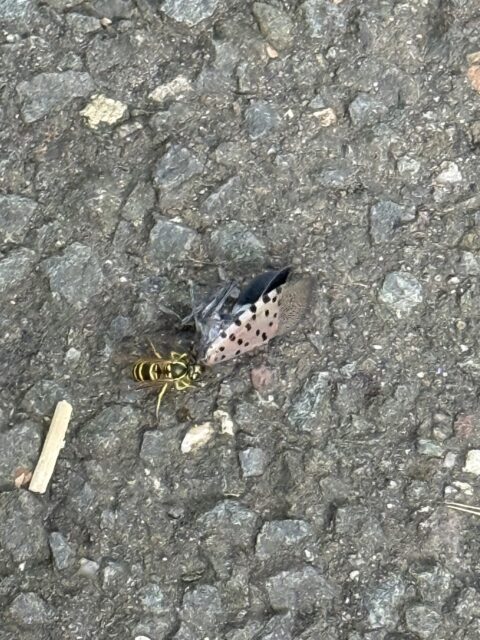
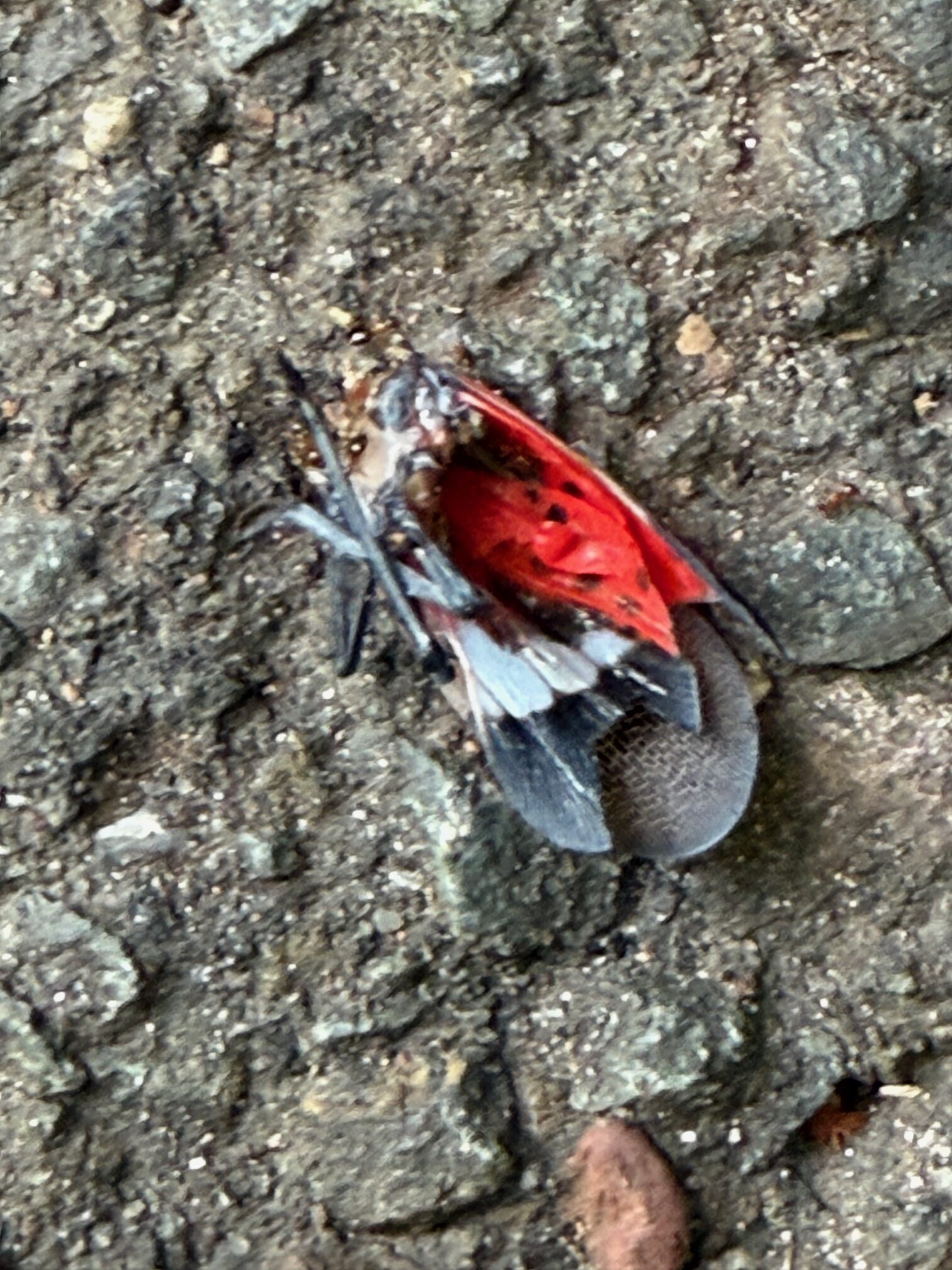
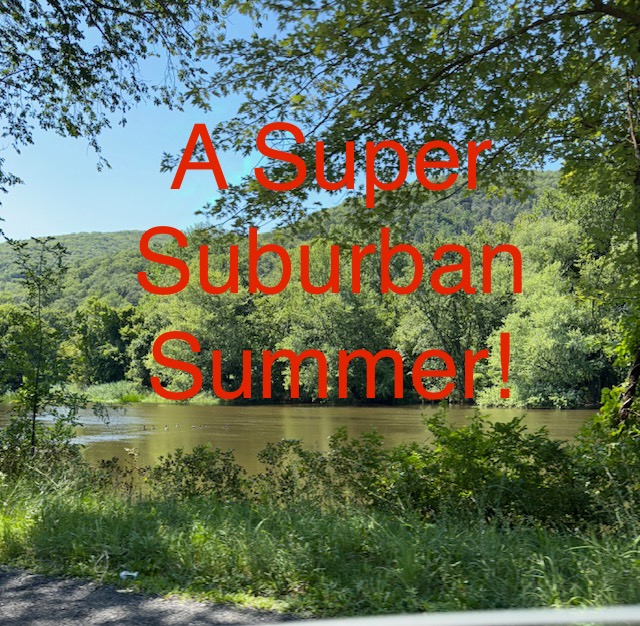
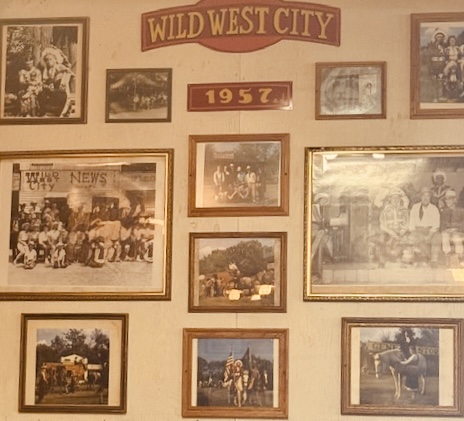
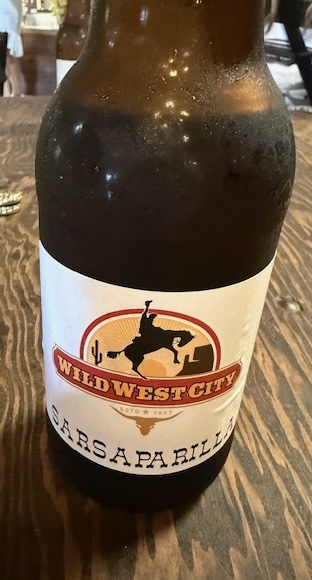
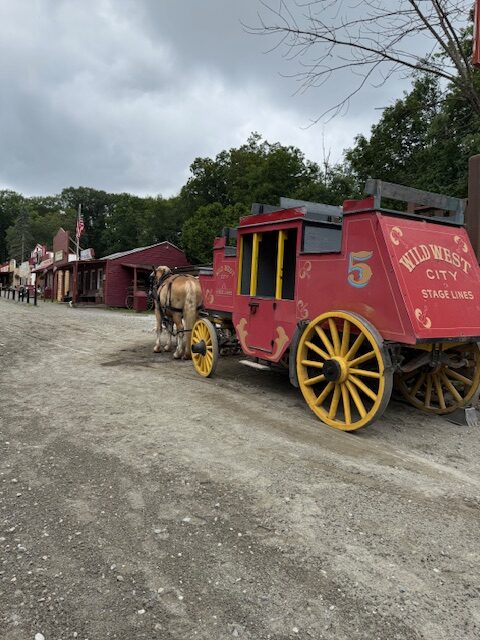
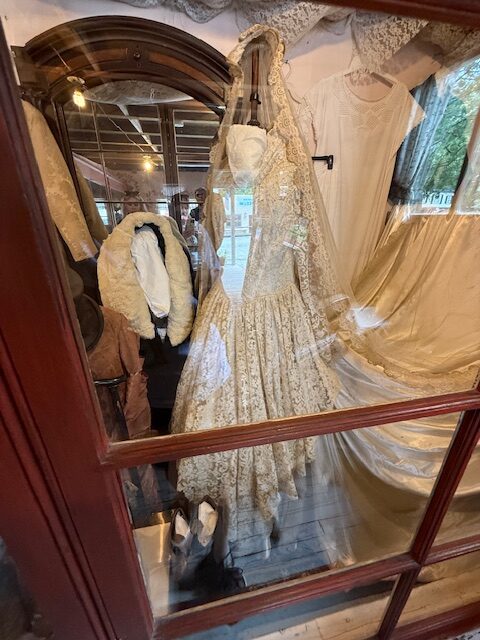
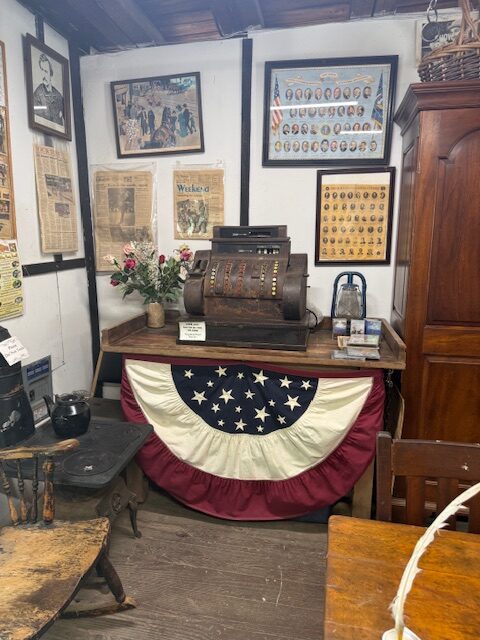
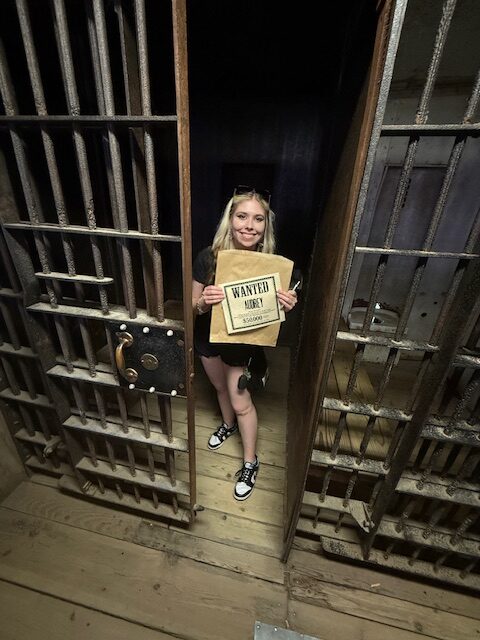
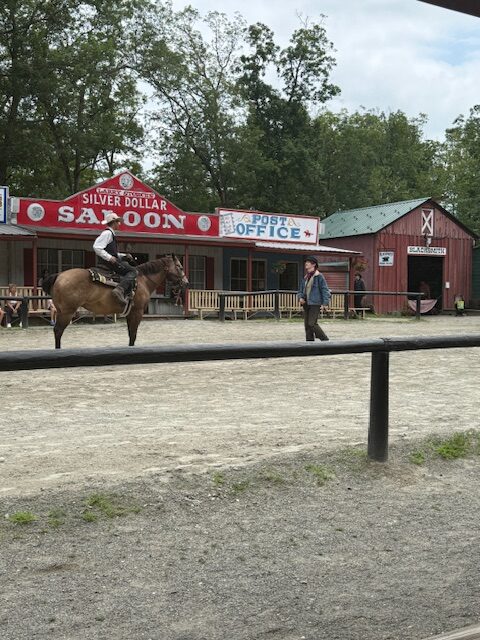
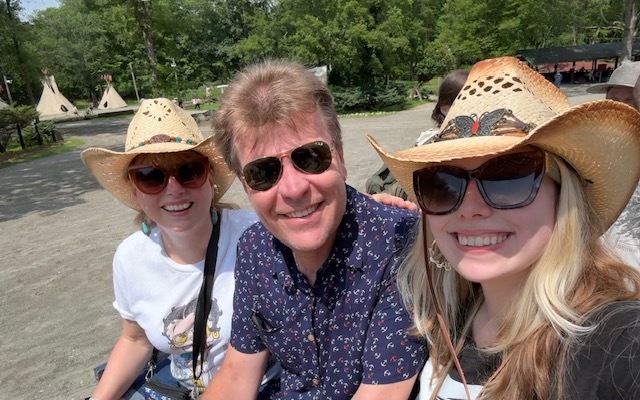
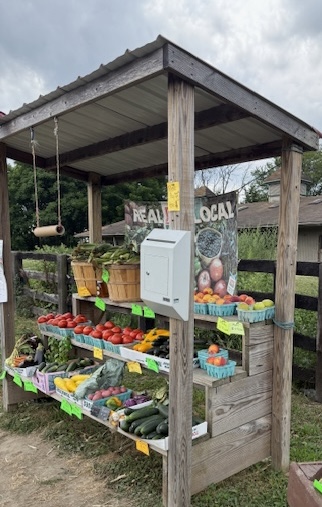
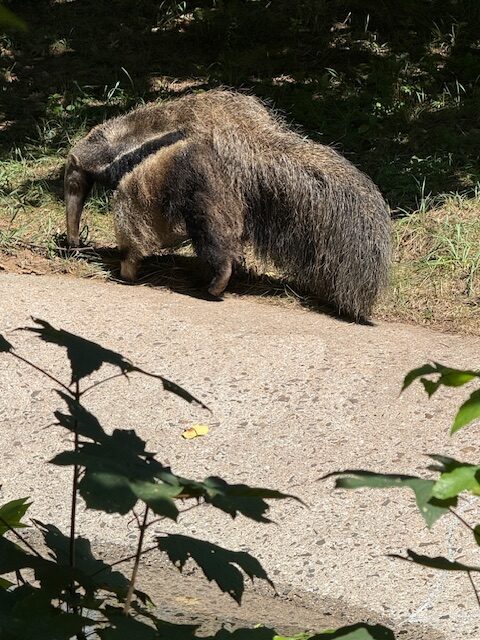
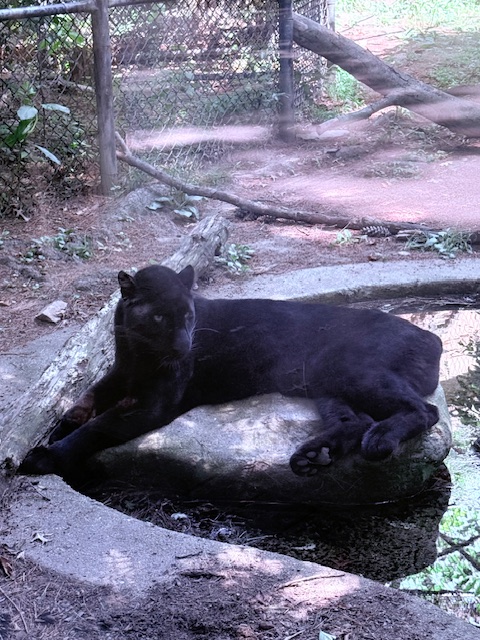
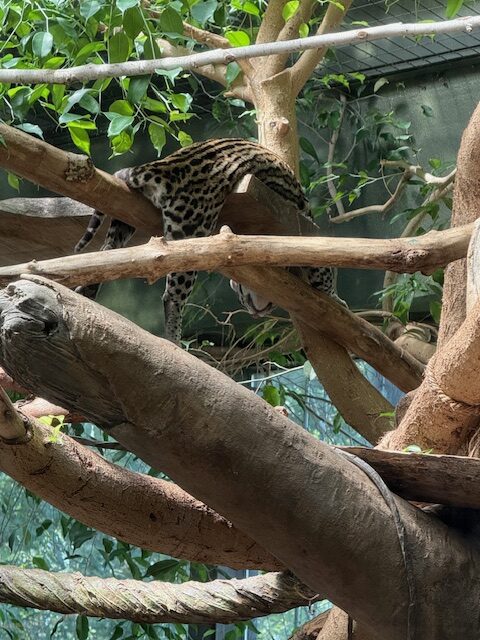
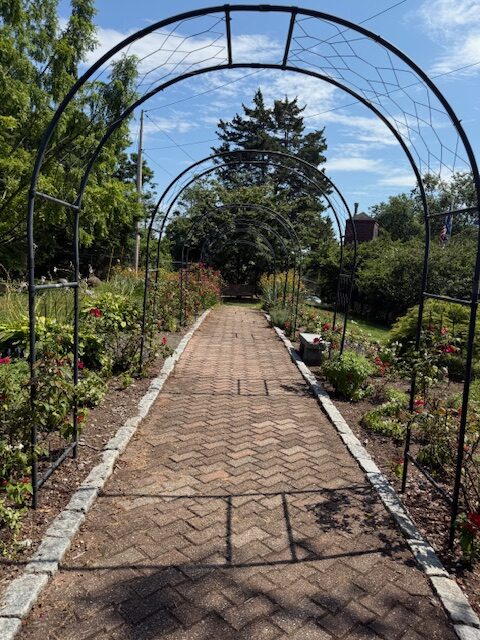
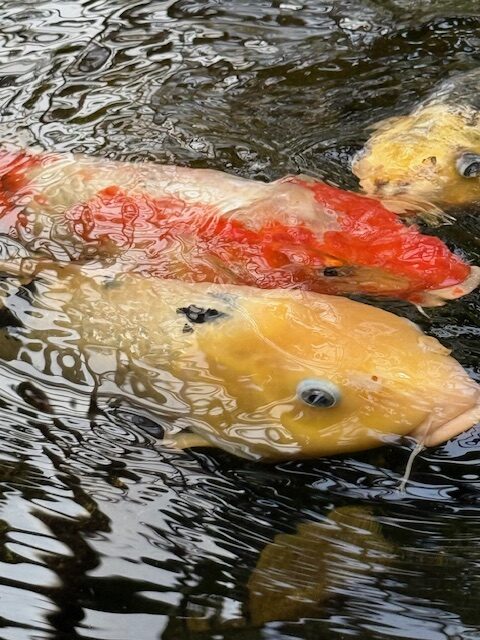
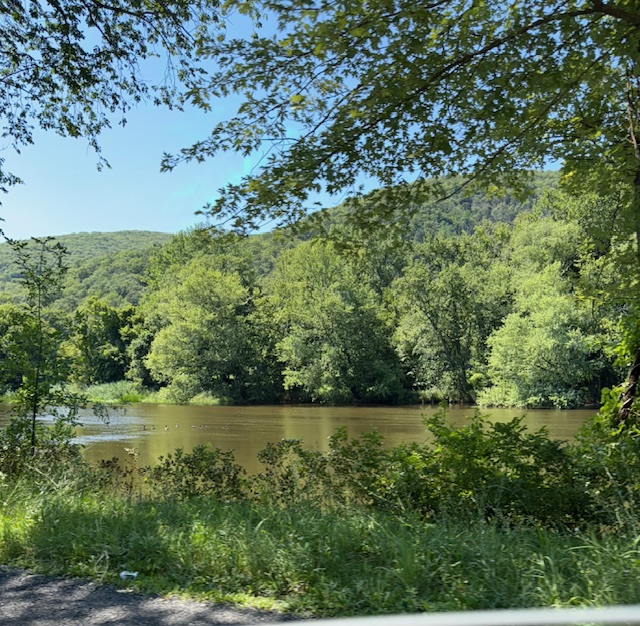




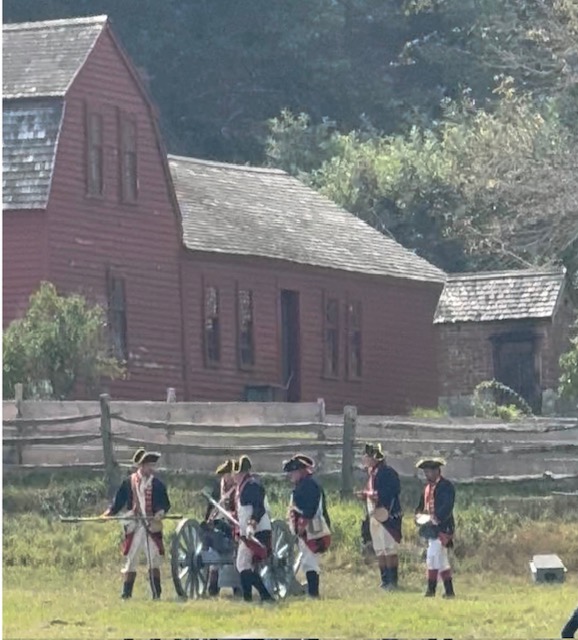

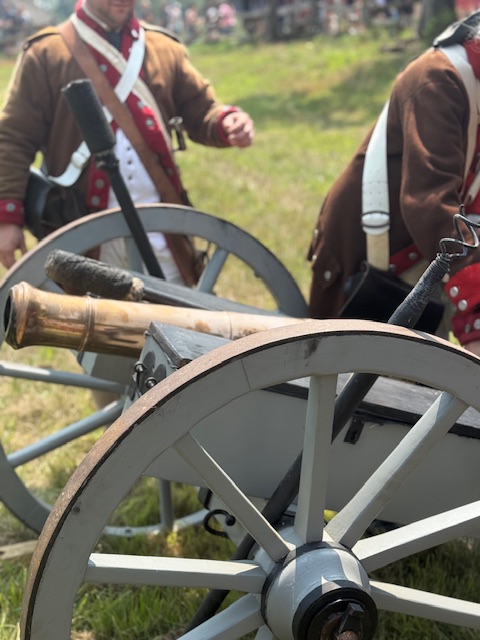
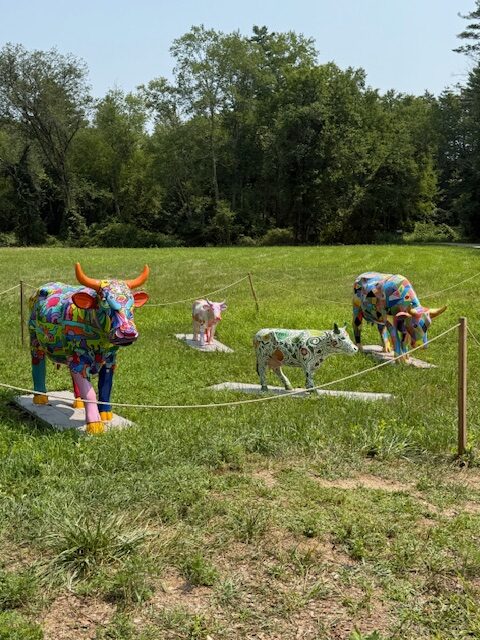

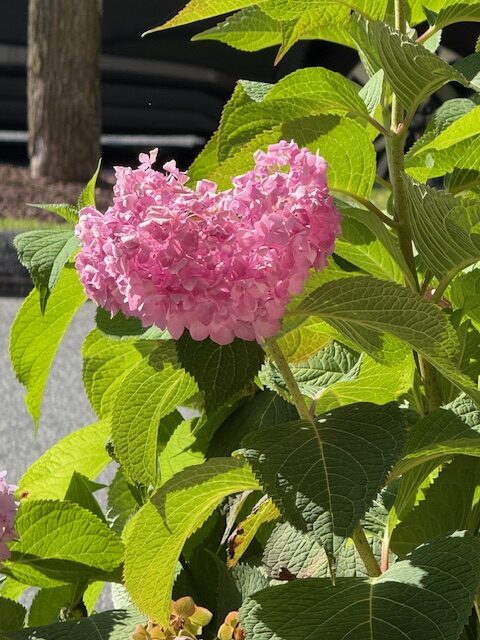
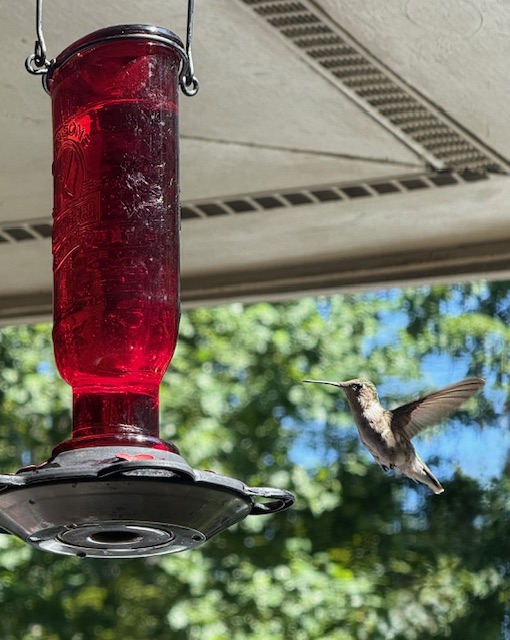
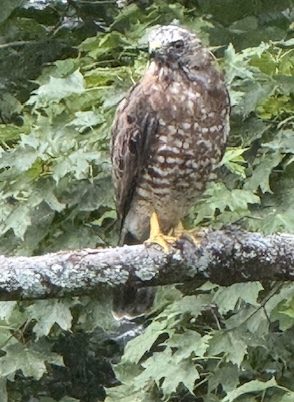
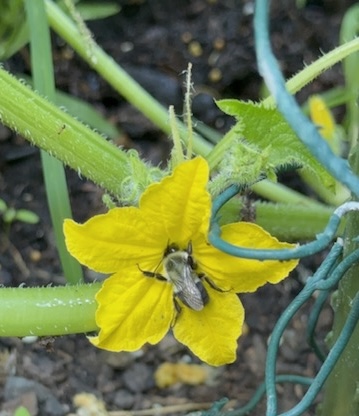

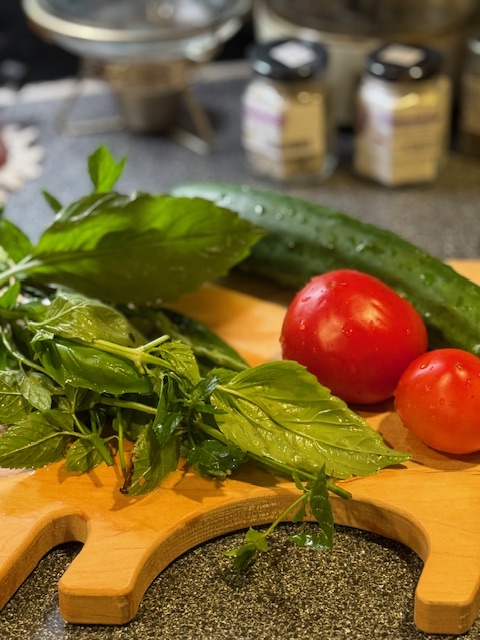

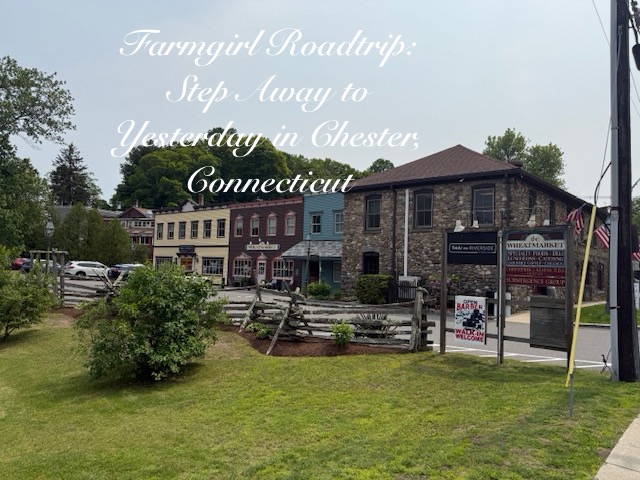
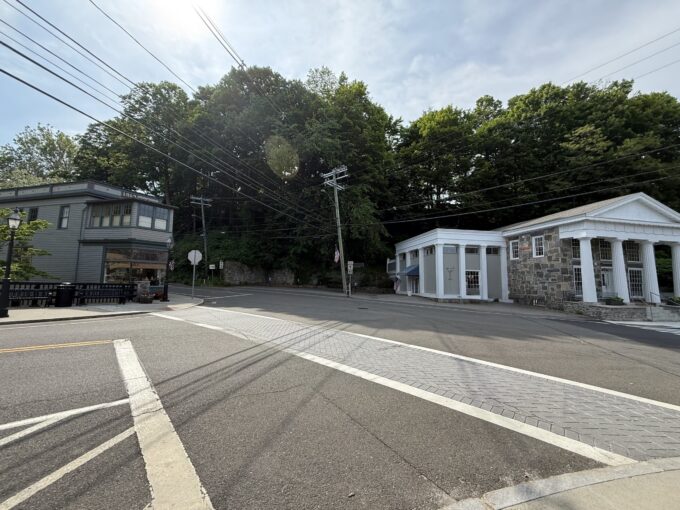
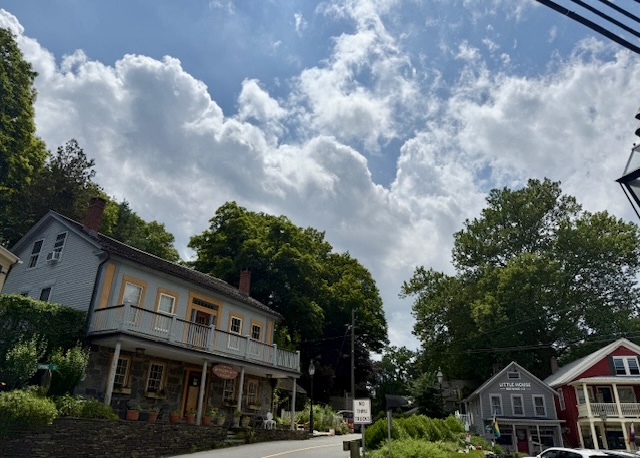
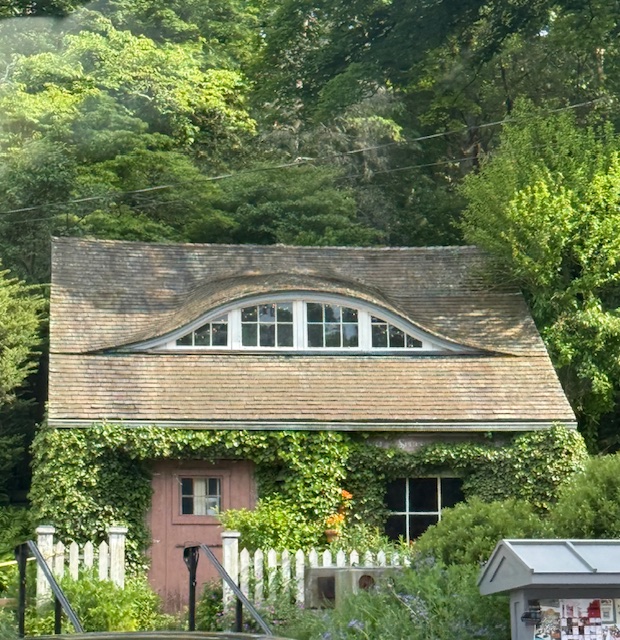
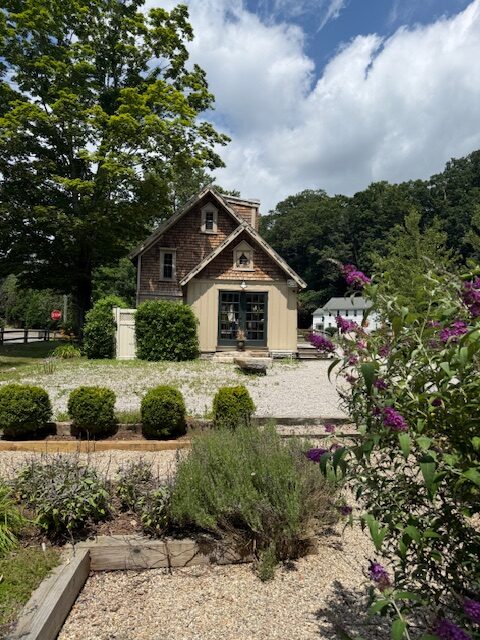
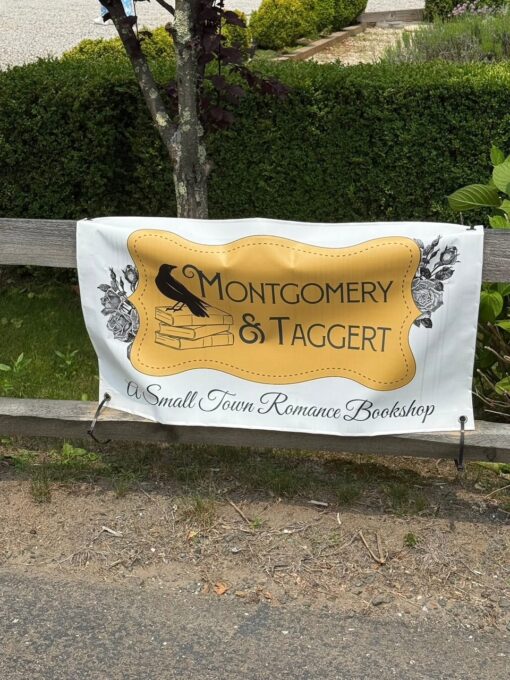
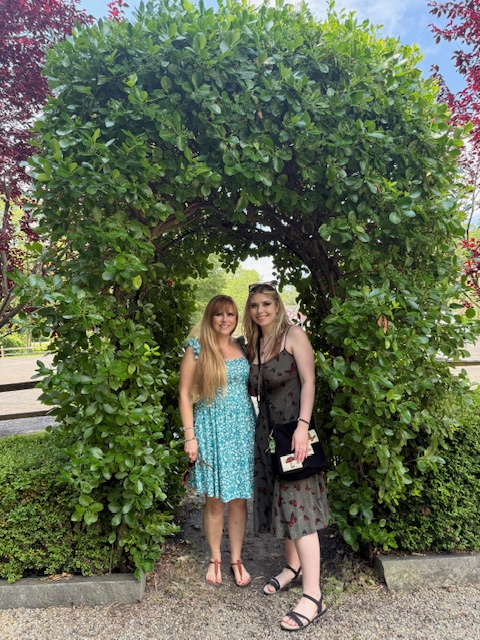
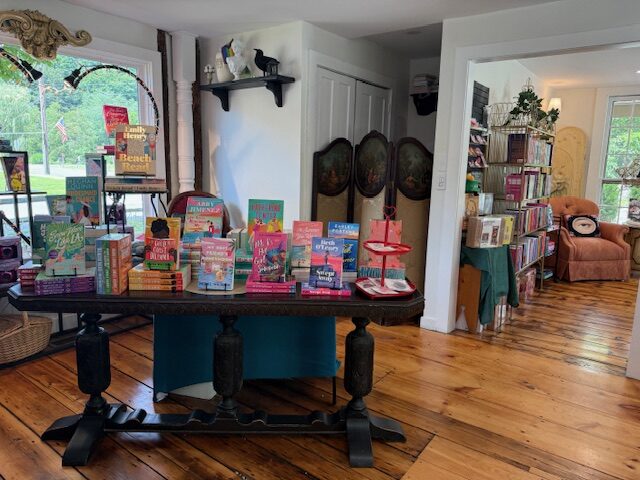
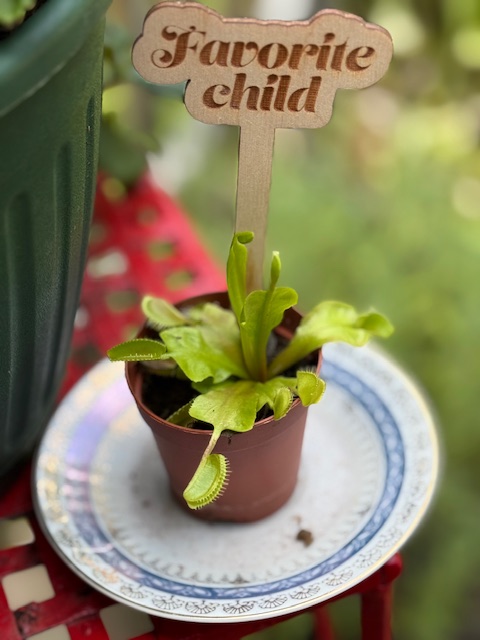
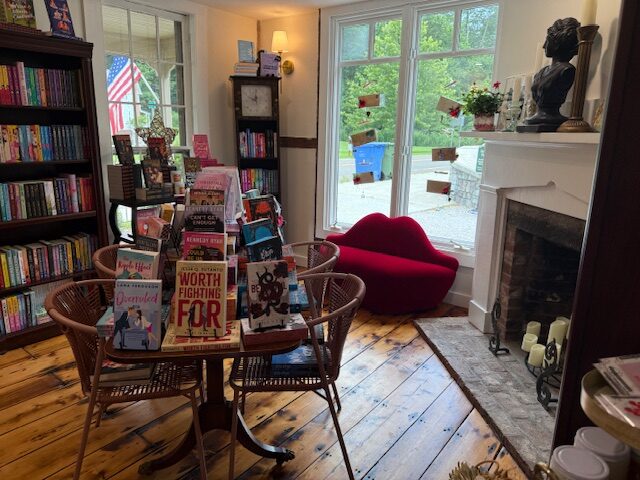
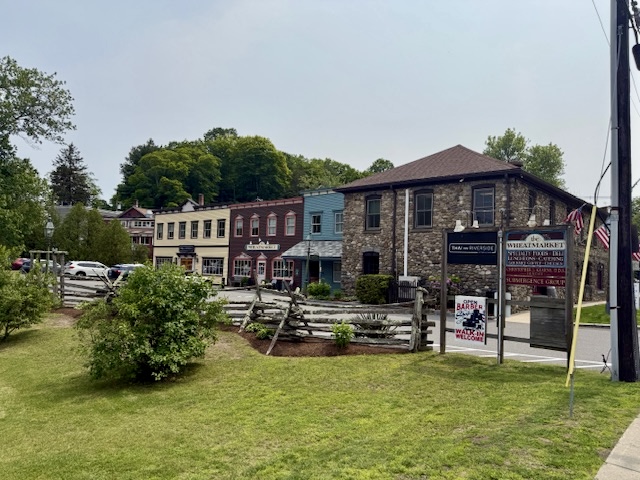
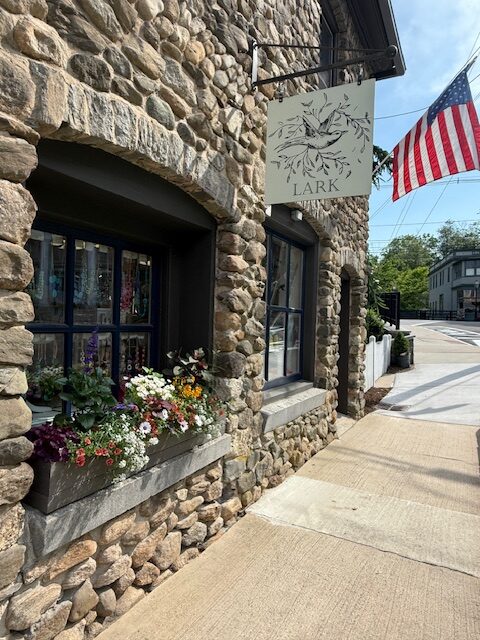
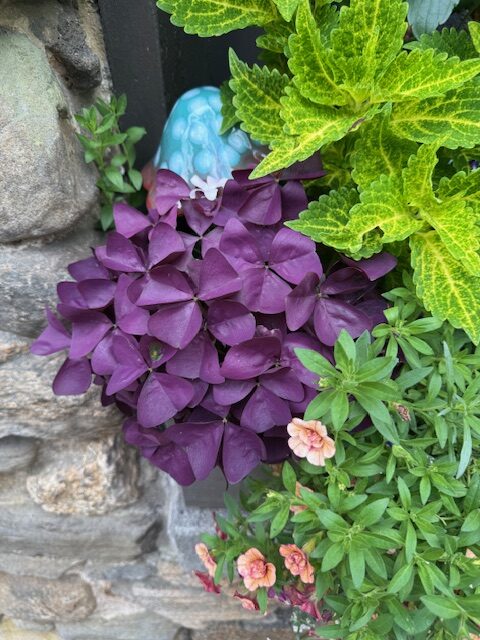
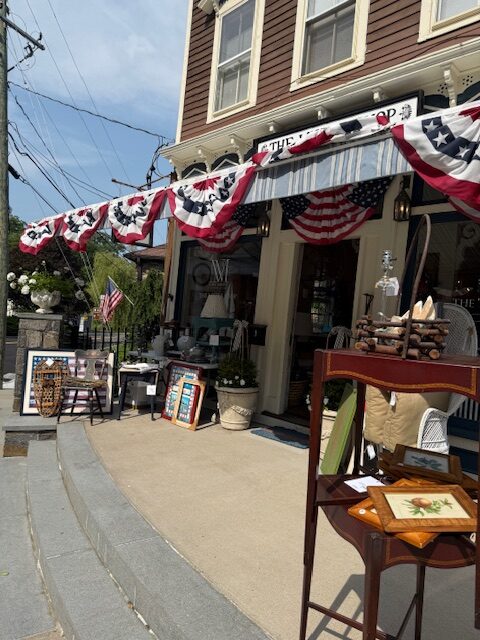
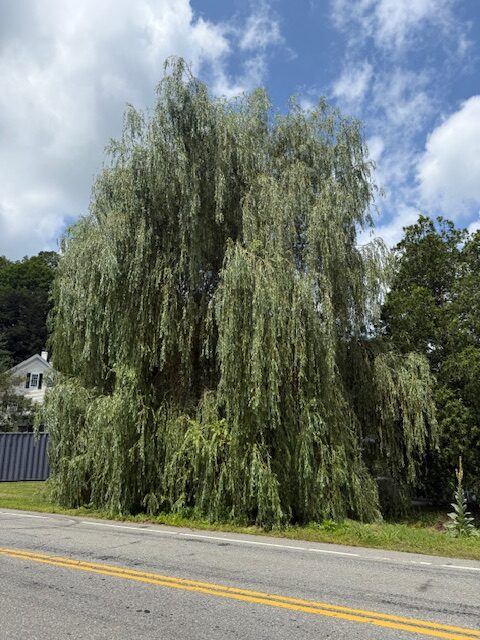
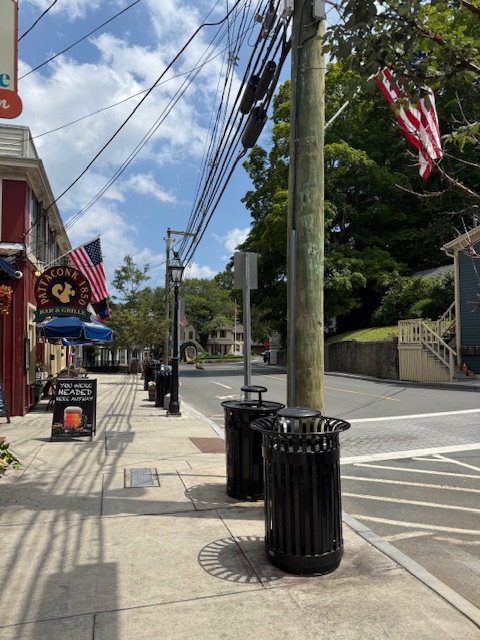
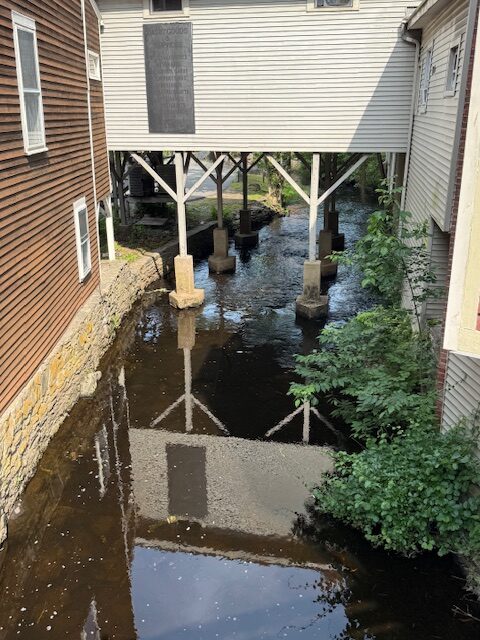
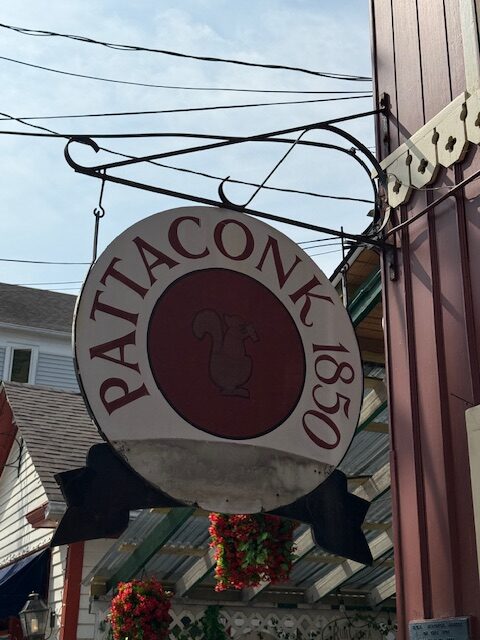
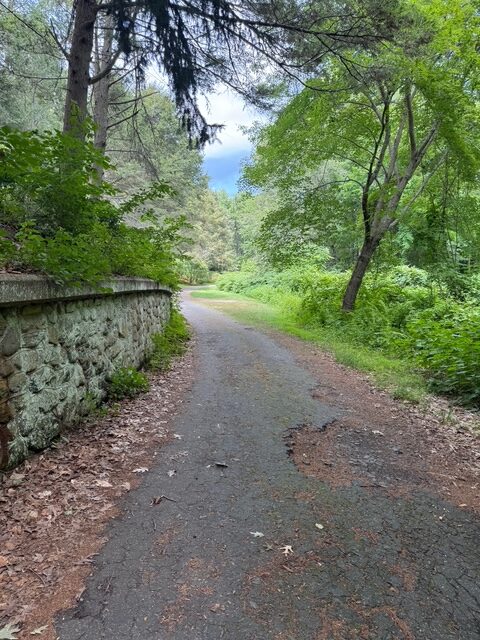
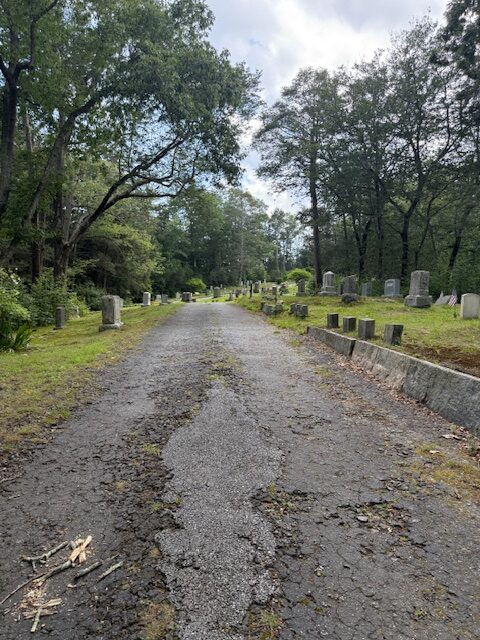
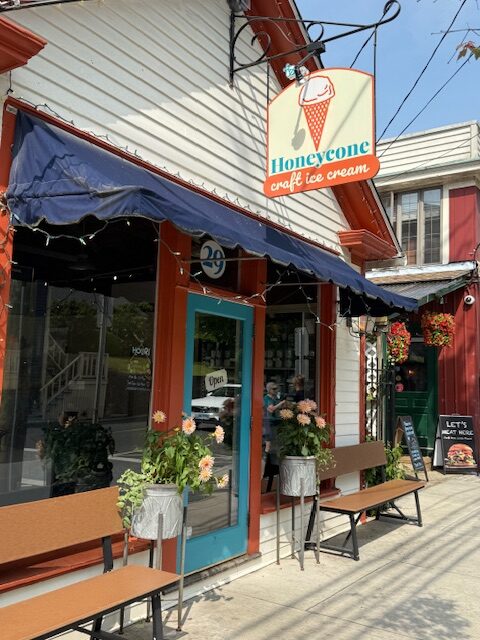

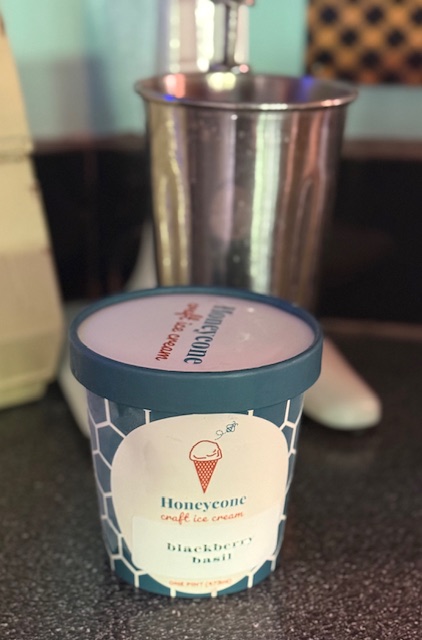

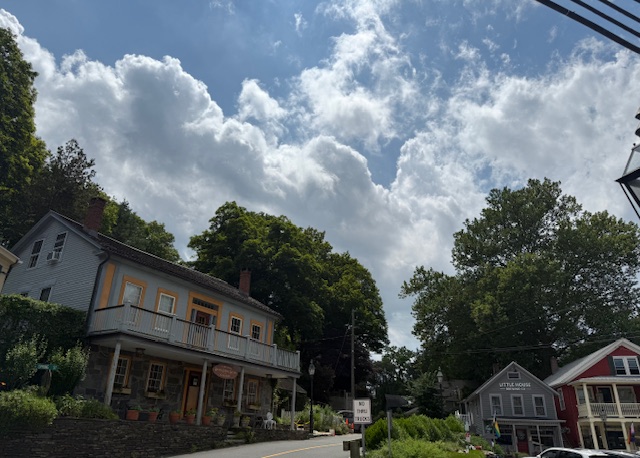

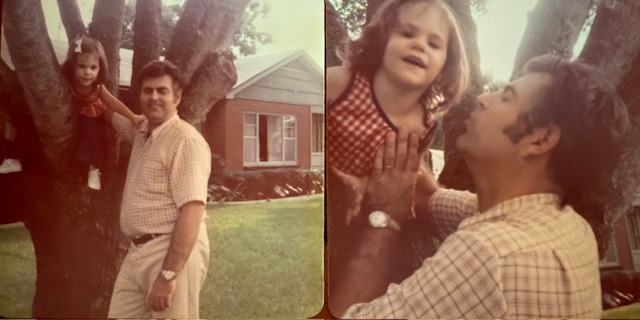
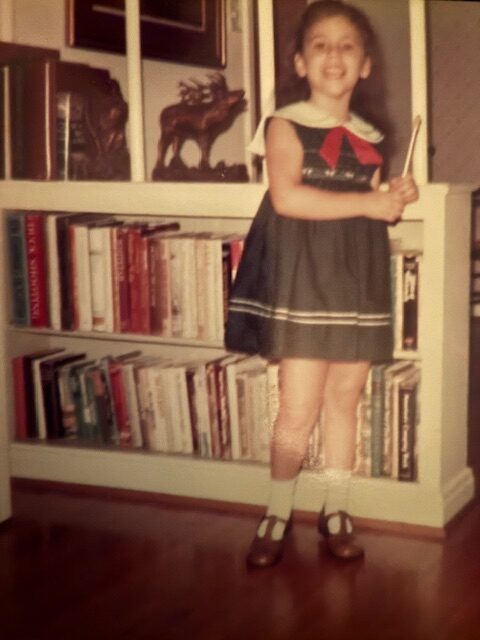
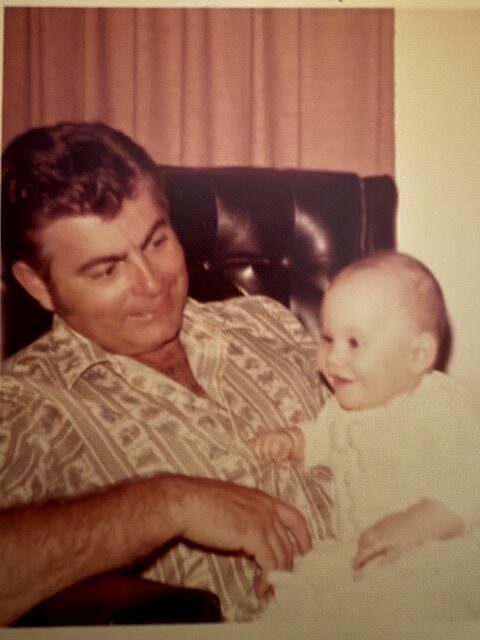
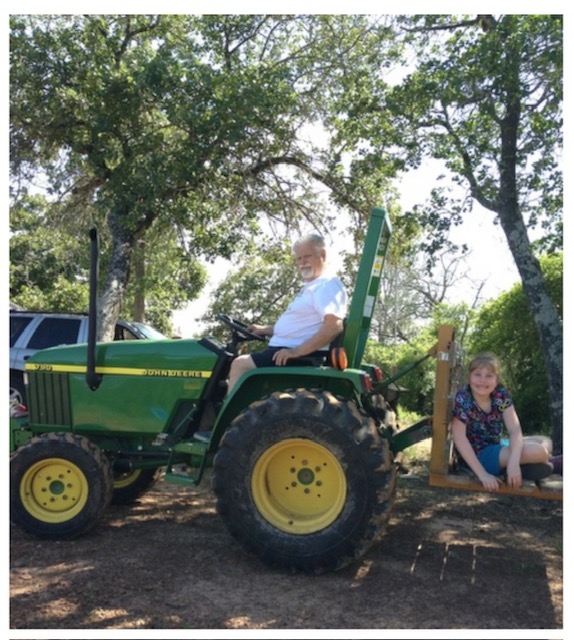




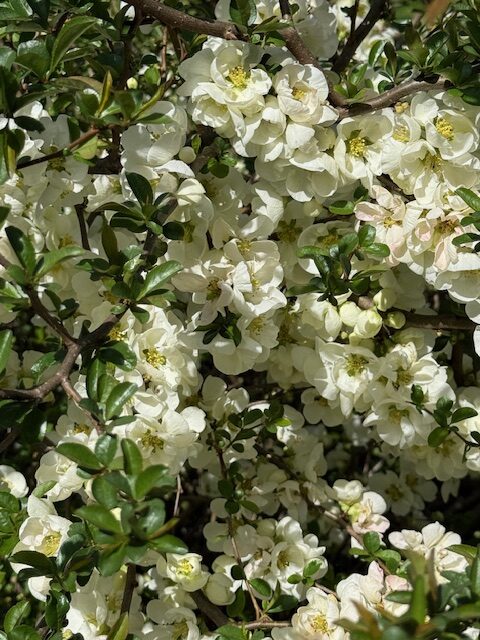
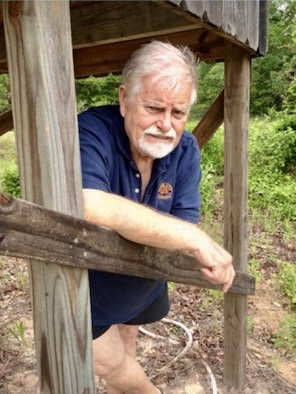
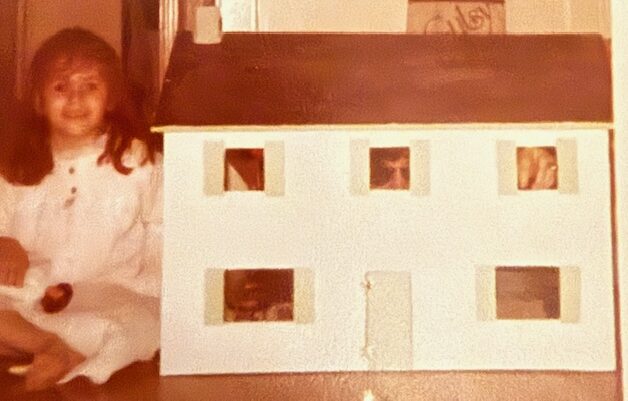

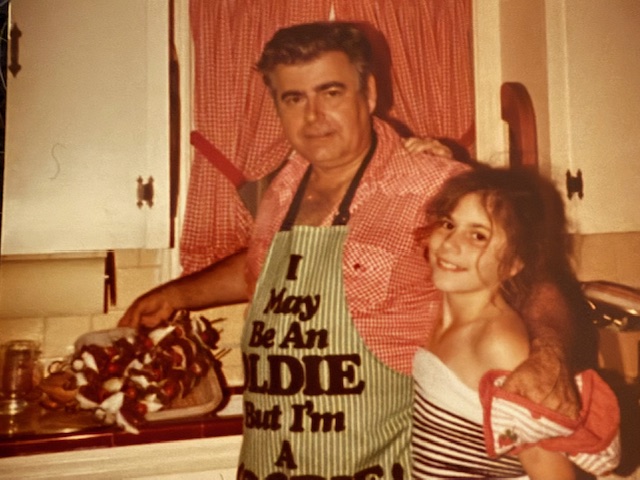
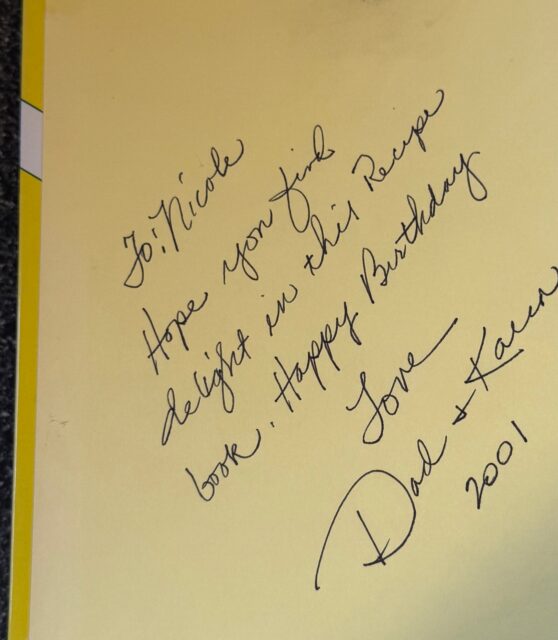
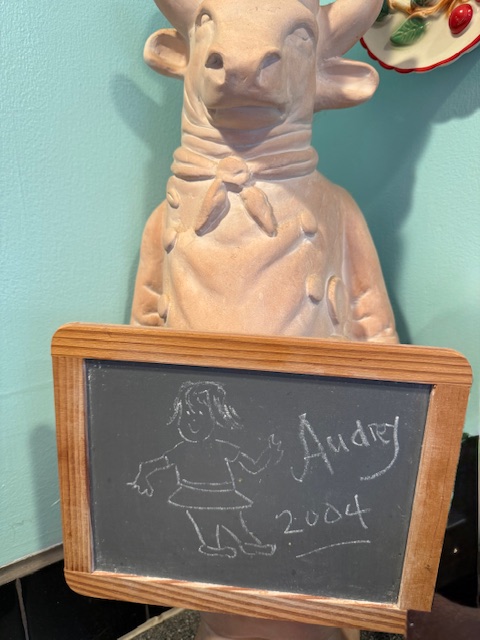
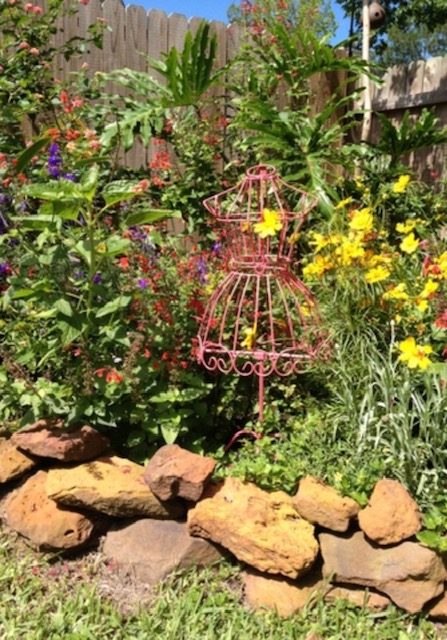
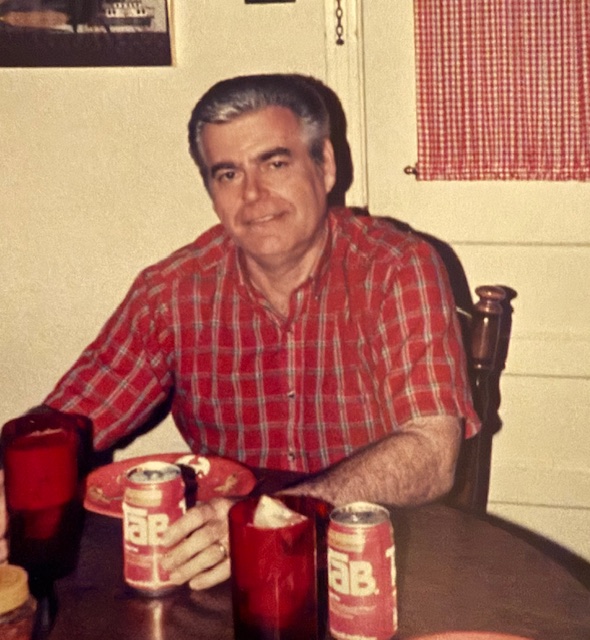
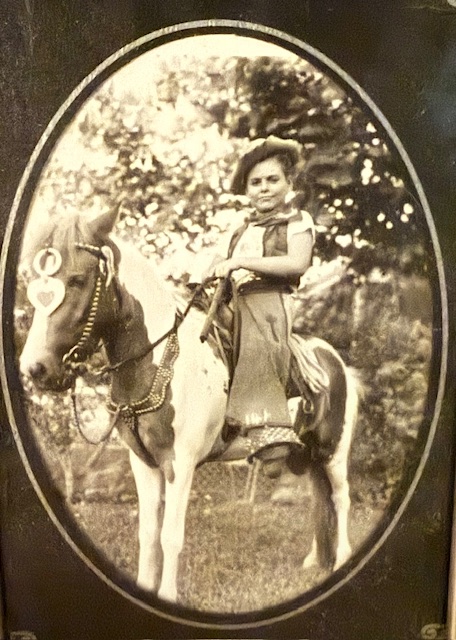

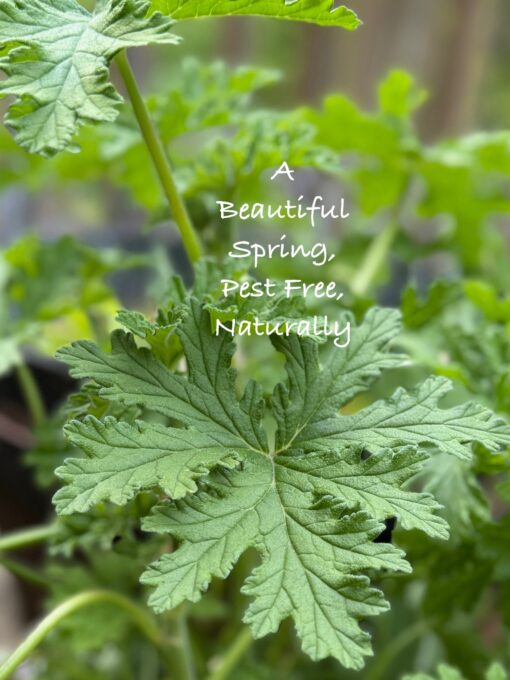
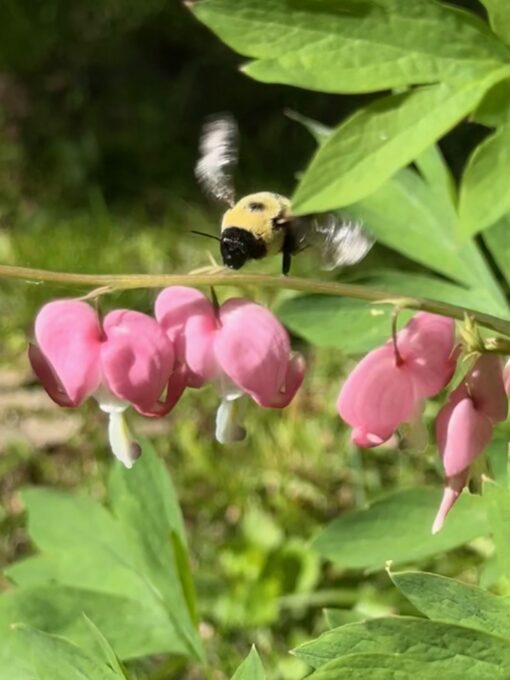
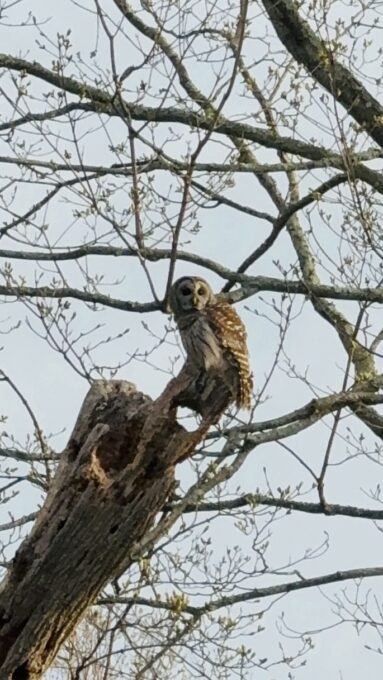
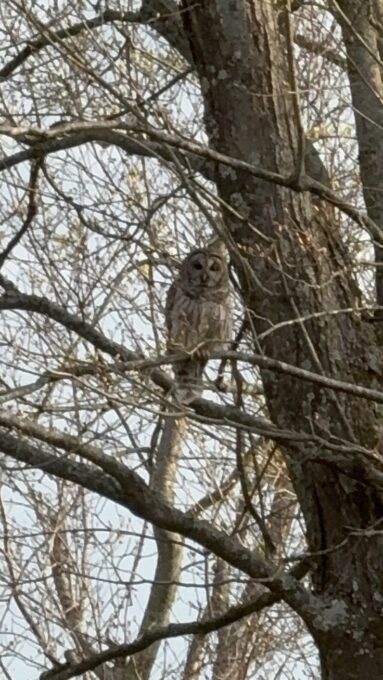
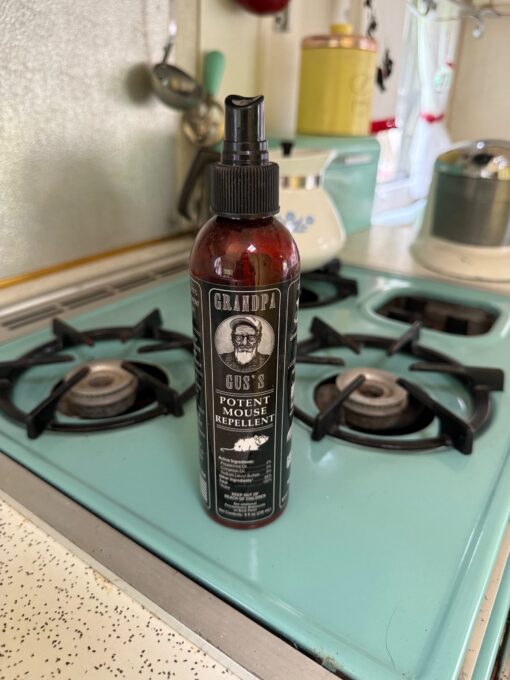

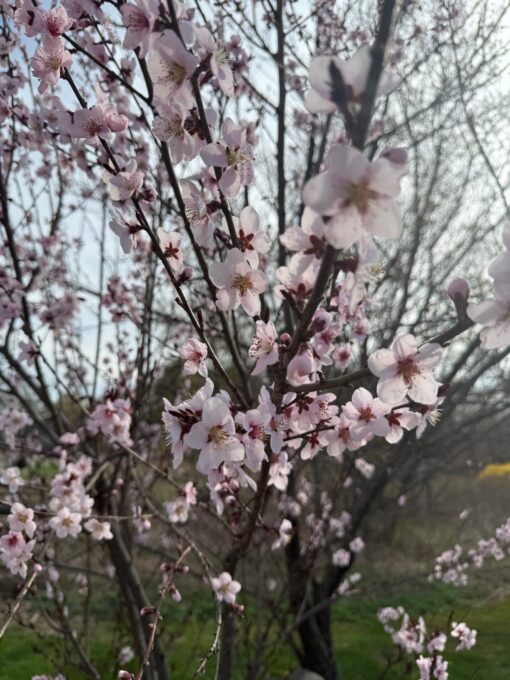
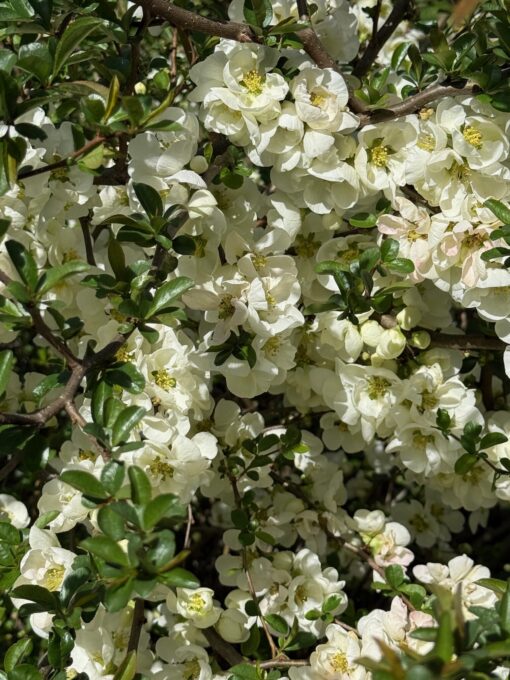
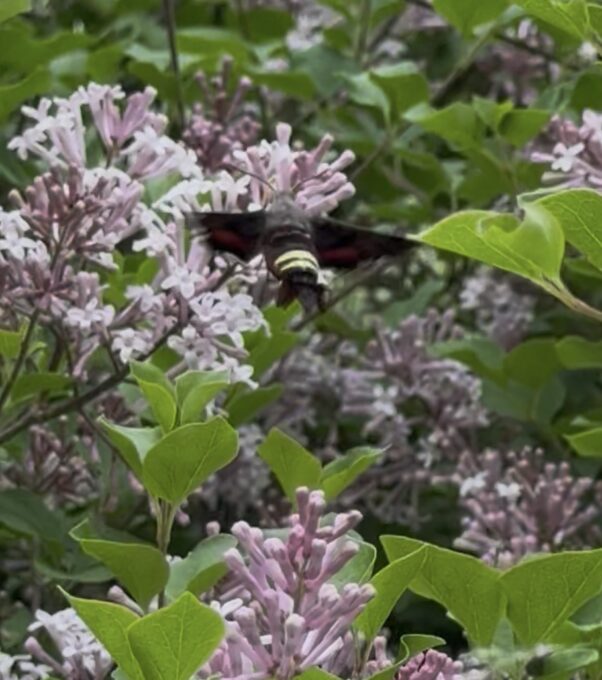
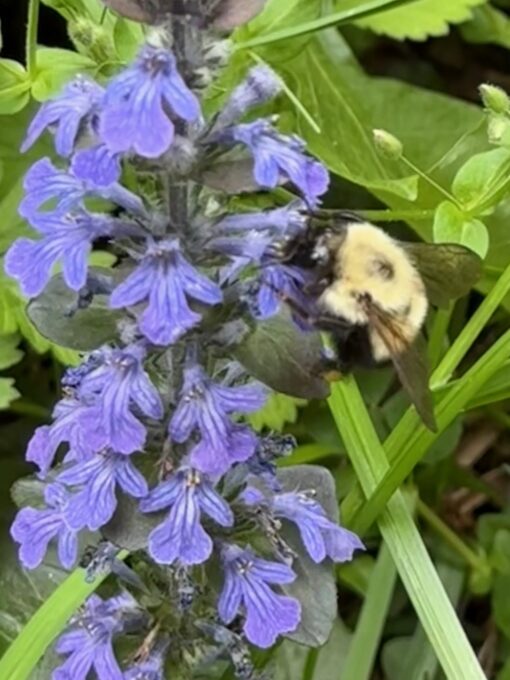
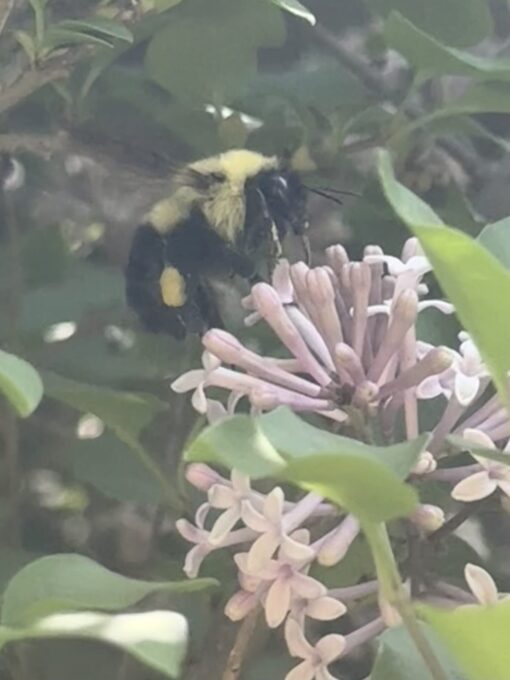
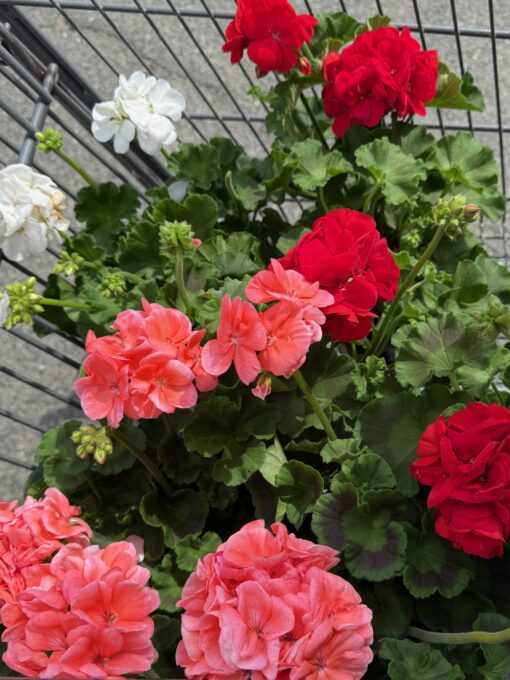
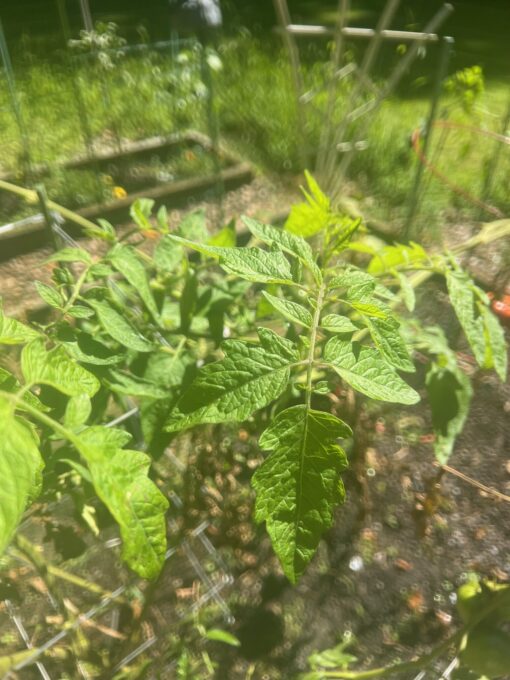
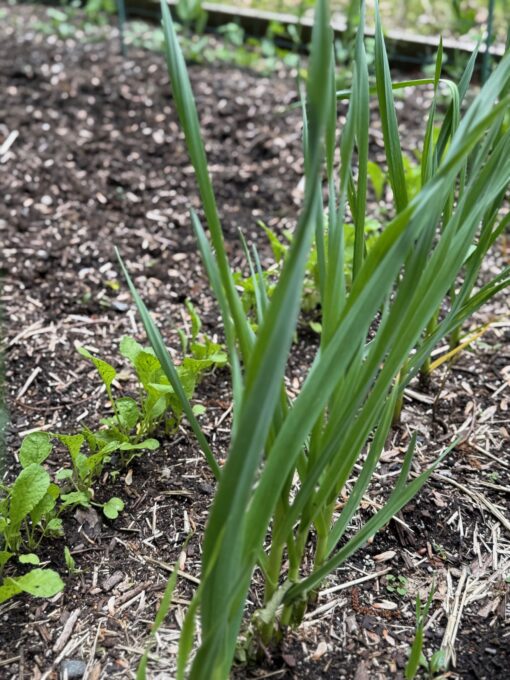
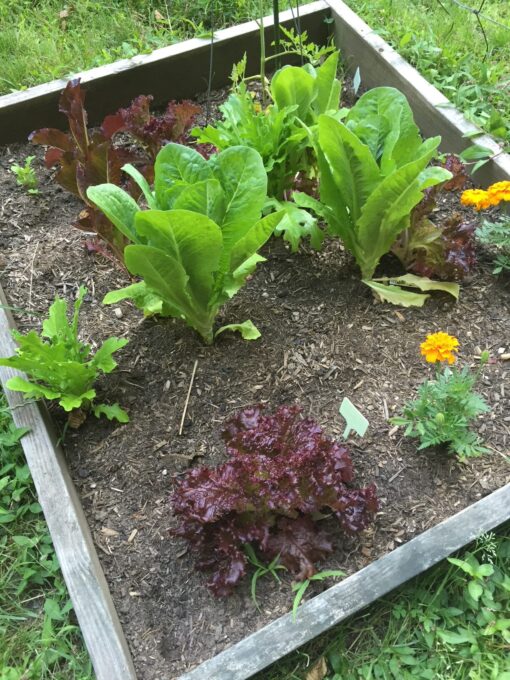
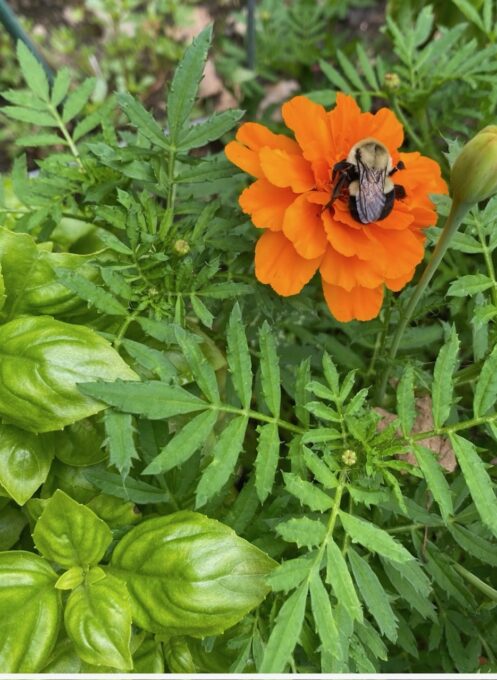
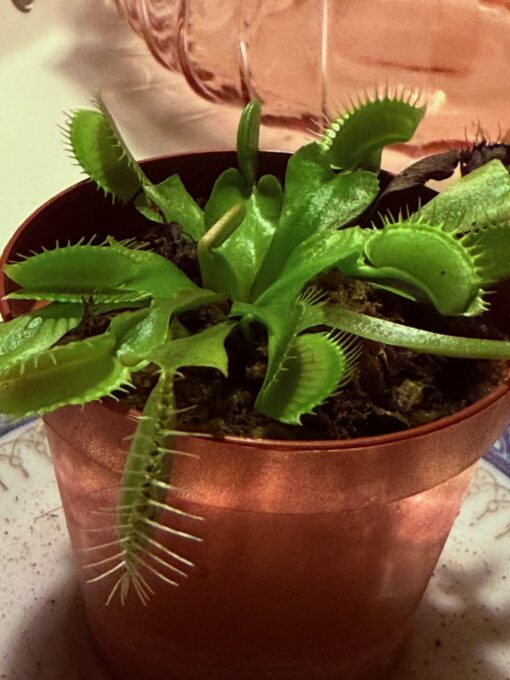
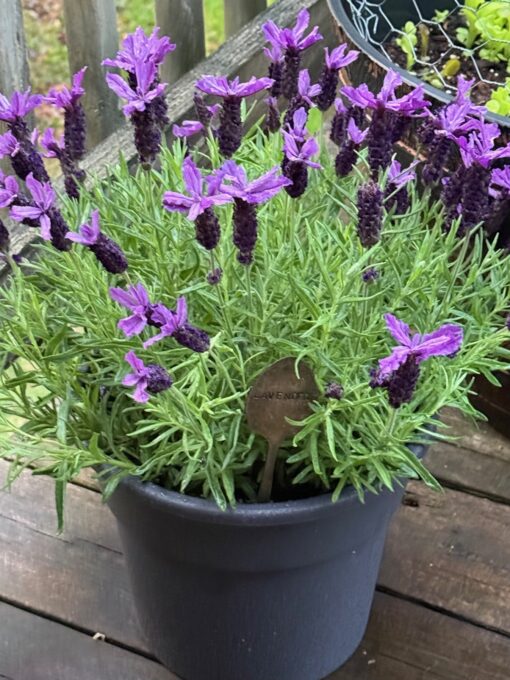
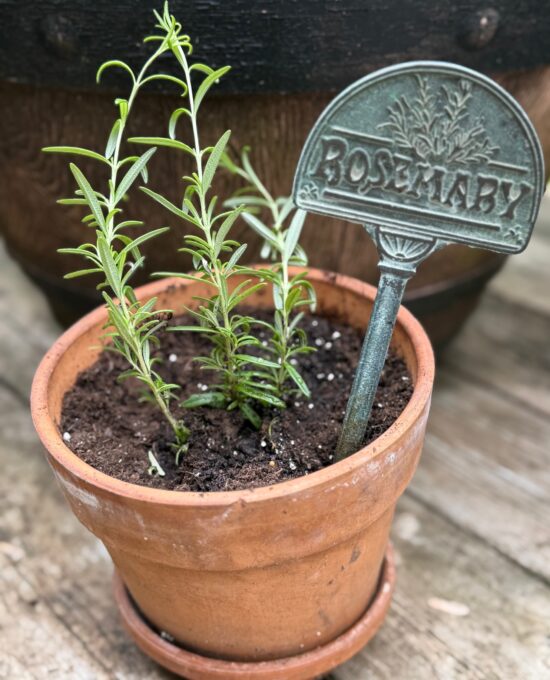
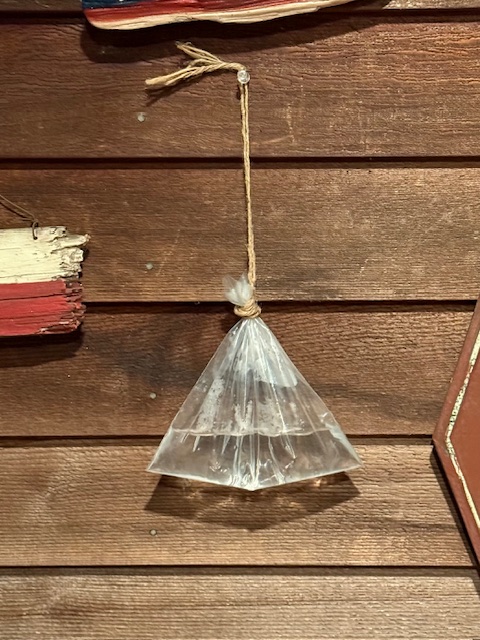
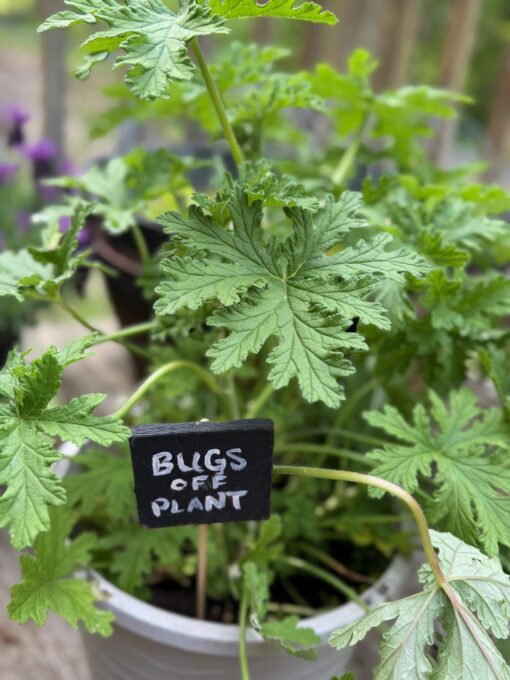
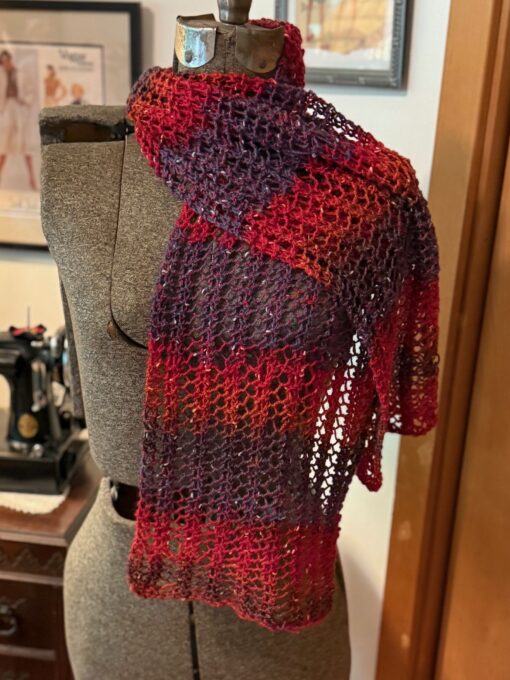




Weekly Blogs and Recipes